

 English
 русский
 عربى
The 128A+ Coating Grade Liquid Epoxy Resin is a bisphenol A liquid resin specifically optimized for ...
+ VIEW MORE
 Industry News
Home / News & Share / Industry News / Coating Manufacturing in APAC: Epoxy Resin Selection, Cure Control and Process Insights
Coating Manufacturing in APAC: Epoxy Resin Selection, Cure Control and Process Insights
Qingzhu Technology – Born for Green, Driven for Tomorrow.
Content
A coating plant in southern China receives two drums of the same liquid epoxy resin from consecutive production lots. On Monday the incoming inspection reads 11,800 mPa·s; three weeks later the same grade reads 9,600 mPa·s at the same 25 °C reference. Nothing on the line has changed, yet the primer film sags, the pot life shortens, and the shift supervisor starts blaming the formula. In most cases the formula is fine. The drift is lot variation plus tropical storage, and it is one of the most common reasons a coating process that worked in the lab behaves differently on the floor.
Work through the problem in this order: resin consistency first, cure control second, line speed third. Coating manufacturing across APAC rarely fails on chemistry elegance. It fails on incoming material that moves inside a specification nobody defined, on cure schedules copied from a European datasheet, and on humidity that no one measured at the spray booth.
Resin Consistency Comes Before Formulation Cleverness
Three numbers on the certificate of analysis decide whether a coating line stays stable: epoxy equivalent weight, viscosity at a stated temperature, and hydrolyzable chlorine. If a purchase specification lists only "epoxy resin, standard grade" and a nominal viscosity, the supplier has room to ship lots that differ by 20 percent in flow behaviour and still be technically correct.
Write the reference temperature into the contract. Viscosity quoted at 25 °C is not the same material as viscosity quoted at 40 °C, and in APAC warehouses the difference is not theoretical. A drum stored against a sun-facing wall can sit at 45–50 °C for weeks. Viscosity falls, cure accelerates, and the first batch after a hot weekend behaves like a different product. Shaded storage below 30 °C, drums rotated first-in-first-out, and a stated acceptance band of roughly ±10 percent around nominal viscosity cost almost nothing and remove a large share of floor complaints.
What Is Changing on APAC Coating Lines
Three shifts are visible across formulators and applicators in the region, and each one pushes different demands onto the resin.
Higher solids, thinner films
Solvent reduction raises the viscosity of the whole system, so formulators either add reactive diluent or start with a lower-viscosity base resin. A high-solids flexible liquid resin is often the cleaner route: it keeps the solids target while preserving flexibility in adhesives, sealants and flexible coatings where brittle films crack during handling or thermal cycling.
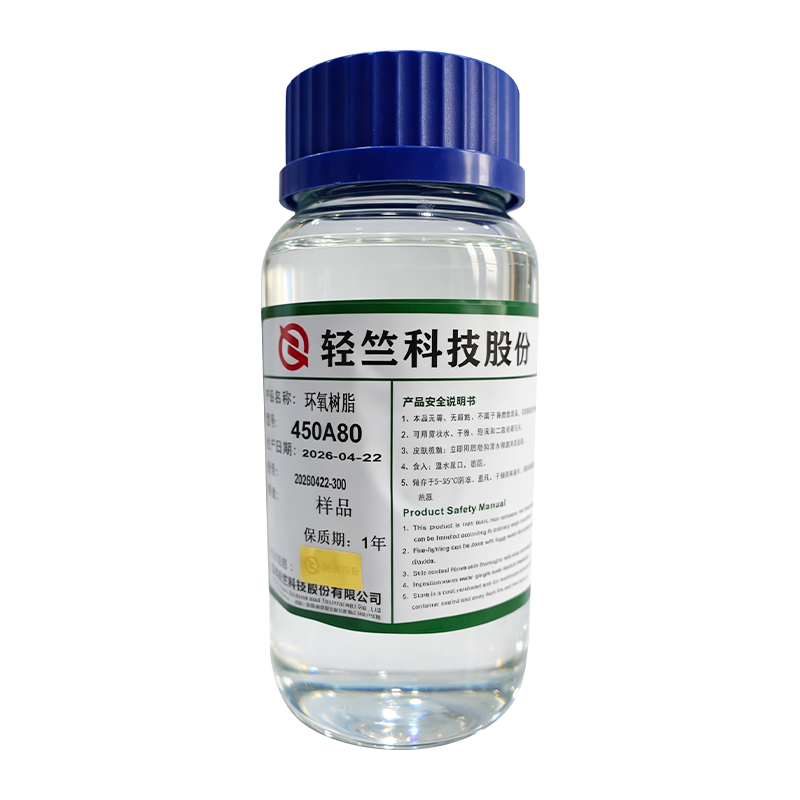 450A80 High-Solids Flexible Liquid Epoxy ResinAn 80% solids flexible epoxy for adhesives, sealants and coatings, offering toughness, crack resistance and wet adhesion while supporting lower-VOC formulations.View Product →
The trade-off is real. High-solids flexible systems usually develop hardness more slowly, so a line that previously ran a fast tack-free window may need longer staging or a mild bake. Verify the hardness curve, not just the gel time.
Faster lines and shorter cure windows
Line speed increases compress the window between "still workable" and "too far cured to level." On a coating grade, that window is narrower than on a standard grade because the formulation is already tuned for film build and surface finish rather than maximum pot life. If the line has accelerated, re-check whether the current grade is still the right one instead of shortening the pot life with accelerator and hoping the finish holds.
Hot floors and cold stores
Gel time roughly halves for every 10 °C rise. A substrate at 35 °C in a plant without climate control might give eight minutes of working time where the datasheet promised fifteen. The same material applied to a cold concrete slab in a mountain-region project could take days to reach full hardness. Neither condition is a resin defect; both are process conditions that must be specified before the order is placed.
Matching Epoxy Grade to the Job the Coating Does
Grade suffixes are not marketing decoration. Coating grade, electronic grade and standard grade usually share a base chemistry and differ in purity, colour, chlorine content and flow behaviour, and choosing the wrong suffix costs more than the price difference.
| Grade family | Usual form | Where it earns its place | Risk to watch |
|---|---|---|---|
| Standard grade liquid | Medium-viscosity liquid | General primers, general-purpose coatings, E44-type work | Exotherm in thick sections; lot-to-lot viscosity drift |
| Coating grade liquid | Liquid tuned for film build | Primers and mid-coats on metal and concrete | Amine blush when relative humidity exceeds about 80 percent |
| Electronic grade liquid | Low-chlorine liquid | Potting, encapsulation, electrical insulation | Ionic contamination; cure must be verified, not assumed |
| Low-viscosity liquid | Thin, sometimes water-clear liquid | High filler loading, casting, transparent systems | Shortened pot life once filler is added |
| High-solids flexible liquid | High solids, flexible backbone | Adhesives, sealants, flexible coatings | Slower hardness development; blocking on stacking |
| High-temperature solid | Solid flake or granule | Heat-resistant laminates, composites, powder systems | Requires an elevated cure schedule; incomplete cure is invisible |
On the coating and flooring side, the practical question is whether the resin can hold film thickness without sag while still levelling. A coating grade liquid resin is formulated with exactly that balance in mind, and it is the sensible starting point before anyone reaches for additives. The technical background on viscosity, equivalent weight and application fit is worth reading before a trial, particularly for the widely used 128 series.
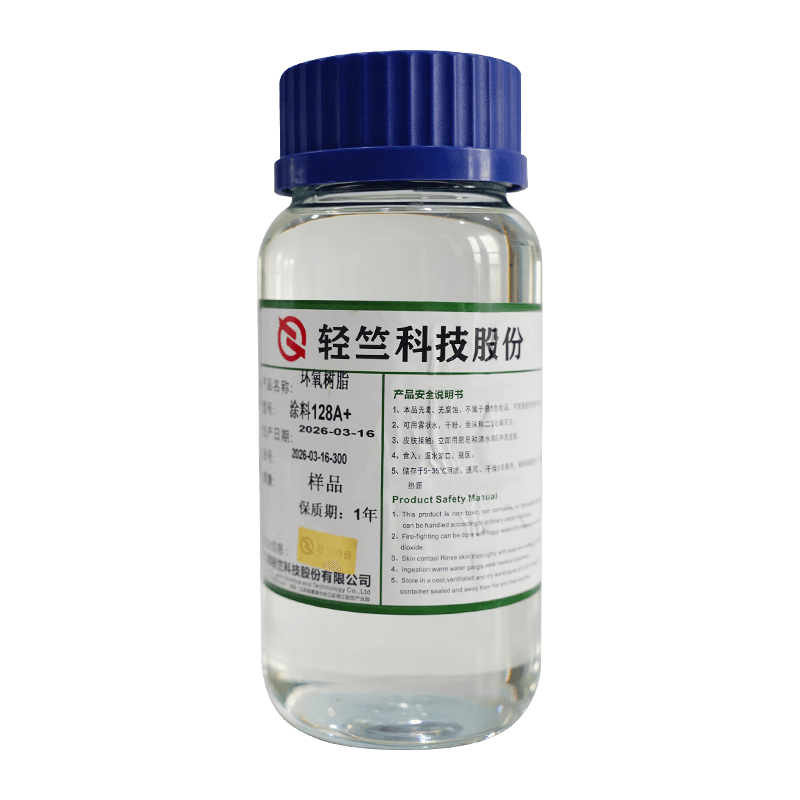 128A+ Coating Grade Liquid Epoxy ResinA 100% solids bisphenol A liquid resin for solvent-free industrial coatings, flooring and corrosion protection, with workability for film build and levelling.View Product →
For teams formalising their own selection criteria, this technical guide to the 128 series explains how grade variants map onto different application demands.
Cure Windows and Humidity: The Practical Tolerances
Cure is the step most often accepted on faith. A film that feels hard is not necessarily cured, and a film that feels soft is not necessarily a failure. Two measurements settle the argument: gel time at application temperature, and glass transition temperature by differential scanning calorimetry after the intended schedule.
Humidity matters as much as heat. Amine-cured epoxy applied above roughly 80 percent relative humidity can form carbamates on the surface, producing a greasy haze that wrecks intercoat adhesion. On a self-levelling floor poured in a monsoon season, this shows up as a white bloom that no amount of sanding fixes permanently. Dehumidification during the early cure stage, or a shift to a less moisture-sensitive hardener, is cheaper than rework.
Thermal duty brings a different problem. Where the coating or composite must survive elevated service temperature, softening begins well before any visible change, and a solid resin built for heat resistance gives far more headroom than a liquid standard grade pushed to its limit.
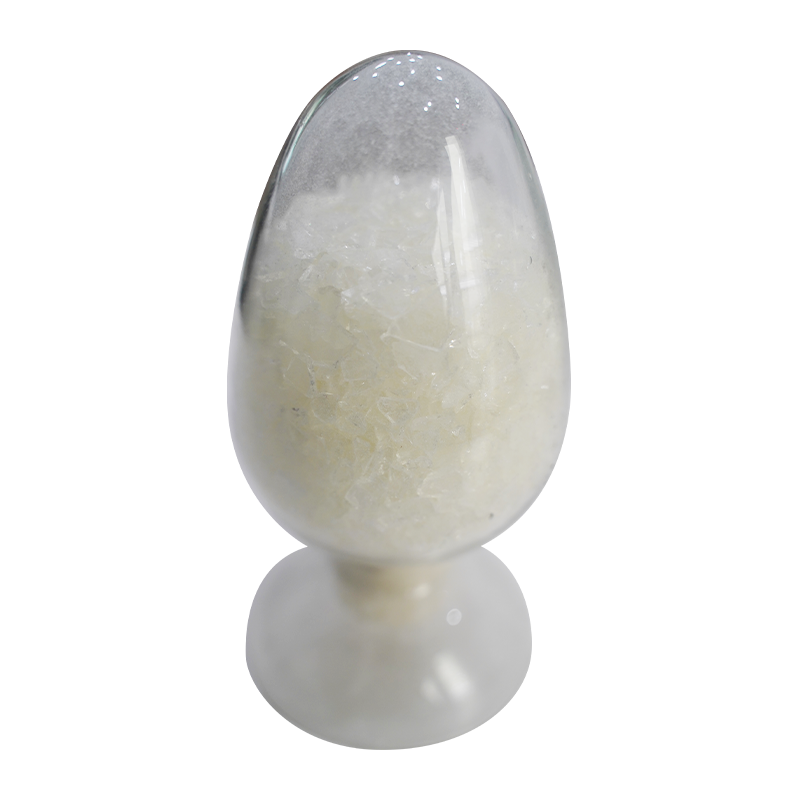 604H High-Temperature Solid Epoxy ResinA thermally modified solid resin with Tg ≥150°C and 140°C continuous service, suited to high-temperature coatings, composites and demanding electrical insulation.View Product →
Confirm the post-cure schedule with the supplier rather than extrapolating from a room-temperature test. A solid resin that never reaches its intended cure state will pass a thumb test and fail in service.
QC Checkpoints Worth Writing Into the Purchase Spec
Whether you buy in drums or by the tonne, these checks catch most problems before they reach the line:
- Viscosity at a stated reference temperature, with an agreed acceptance band rather than a single nominal figure.
- Epoxy equivalent weight per lot, compared against the historical trend and not just the stated range.
- Hydrolyzable chlorine, especially for electronic and electrical applications where ionic content drives failure.
- Colour and transmittance, required for clear castings and any coating where yellowing is visible to the end customer.
- Gel time at the actual shop-floor temperature, not the laboratory standard.
- Volatile content, which affects film thickness, shrinkage and void formation in thick sections.
Record these per lot and plot them. Trend data reveals a drifting process long before an out-of-spec result appears, and it gives the supplier something concrete to investigate.
Supplier Questions That Reveal Real Capability
Almost any supplier can quote a viscosity figure. Fewer can explain what happens to that figure between the reactor and your drum, or how they hold it stable across seasons.
- What is the batch-to-batch tolerance on viscosity and equivalent weight, and how is it verified?
- Can you provide three consecutive certificates of analysis from production lots, not from trial batches?
- How is the resin packaged and what temperature does it see in transit to our plant?
- What cure schedule do you recommend for our film thickness and substrate temperature, and what tests support it?
- Who handles technical questions after the sale, and how quickly?
Automated production and an in-house team that keeps refining product variants tend to show up in the answers: consistent certificates, a documented cure recommendation, and a named technical contact. Suppliers who treat resin as a commodity handled by a trading desk usually answer the first question and stall on the rest.
The sequence is unglamorous but reliable. Pin the resin specification to measurable numbers at a stated temperature, confirm the cure schedule against the actual shop-floor humidity and substrate temperature, then adjust line speed to fit the chemistry rather than the other way around. Coating operations across APAC that hold those three variables steady spend far less time firefighting failed batches, and far more time improving what the coating actually does.
Related Product
-
-
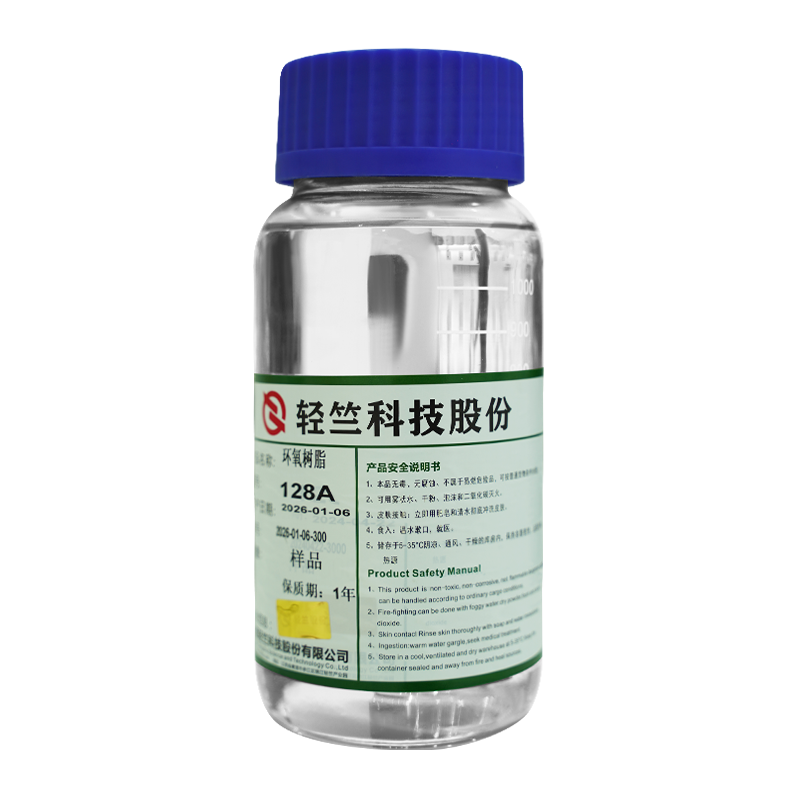
The 128A Standard Grade Liquid Epoxy Resin is a classic bisphenol A liquid resin offering a stable e...
+ VIEW MORE -
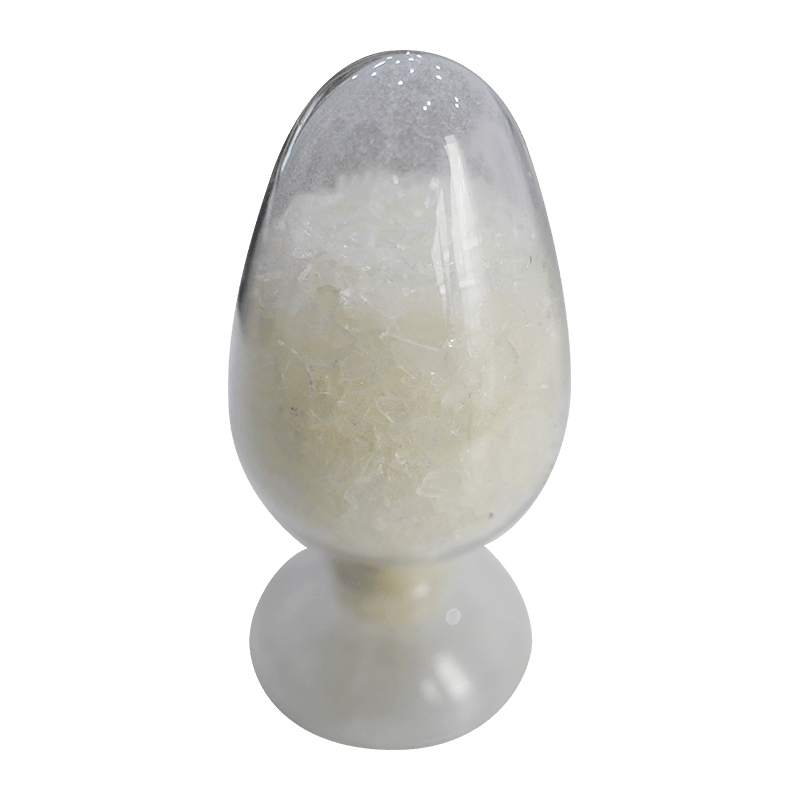
The 601R Coating Grade Solid Epoxy Resin is a bisphenol A medium-molecular-weight solid resin specif...
+ VIEW MORE -
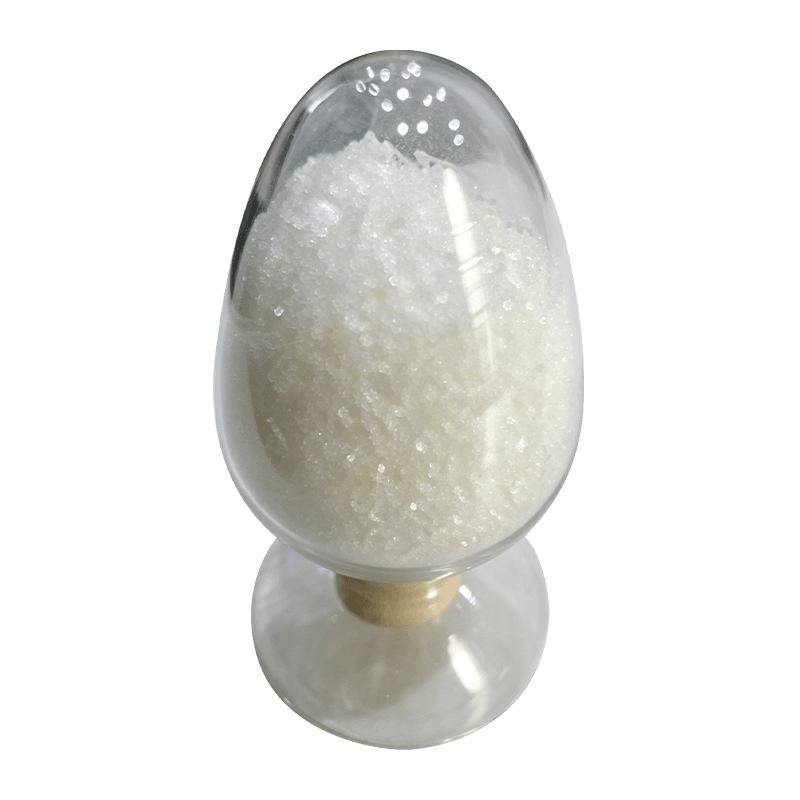
The 601 Standard Grade Solid Epoxy Resin is the foundational general-purpose grade within the 601 Se...
+ VIEW MORE -
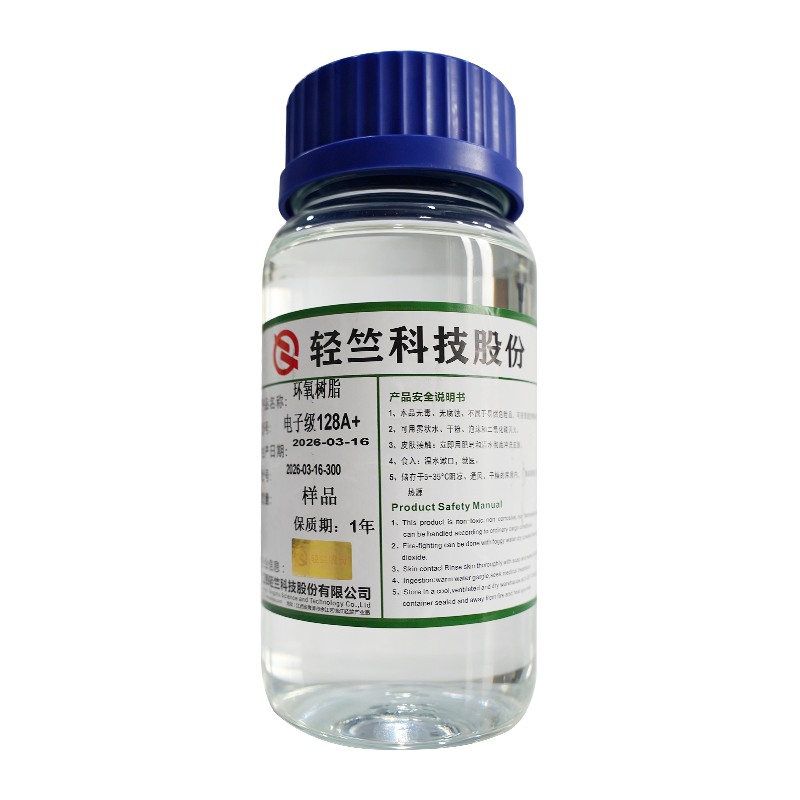
The 128A+ Electronic Grade Liquid Epoxy Resin is a high-purity bisphenol A liquid resin formulated f...
+ VIEW MORE

Product Categories
Epoxy Resin 128 Series Epoxy Resin 601 Series Epoxy Resin 604 Series E44 General-Purpose Liquid Epoxy Resin E39D Low-Viscosity Transparent Liquid Epoxy Resin 450A80 High-Solids Flexible Liquid Epoxy Resin 901A80 High-Temperature Specialty Liquid Epoxy ResinContact
 [email protected]
 +86-15257130679
 Qingzhu Industrial Park, Yuanqu Avenue, Industrial Park, Yujiang District, Yingtan City, Jiangxi Province, China
