


 English
  русский
  عربى
عربى 
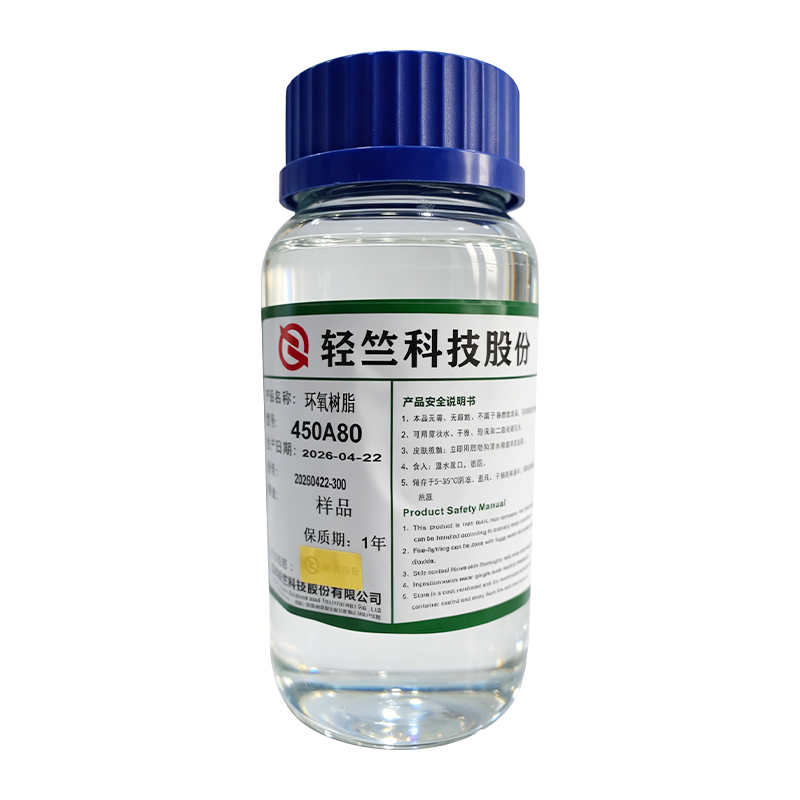
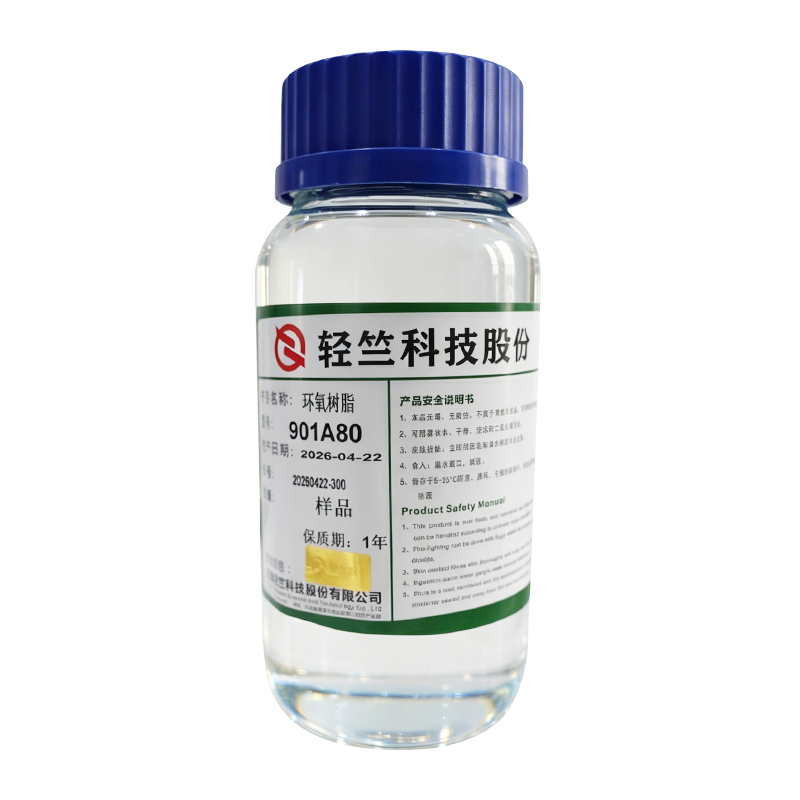


How Epoxy Resin Selection Influences Industrial Adhesive Performance
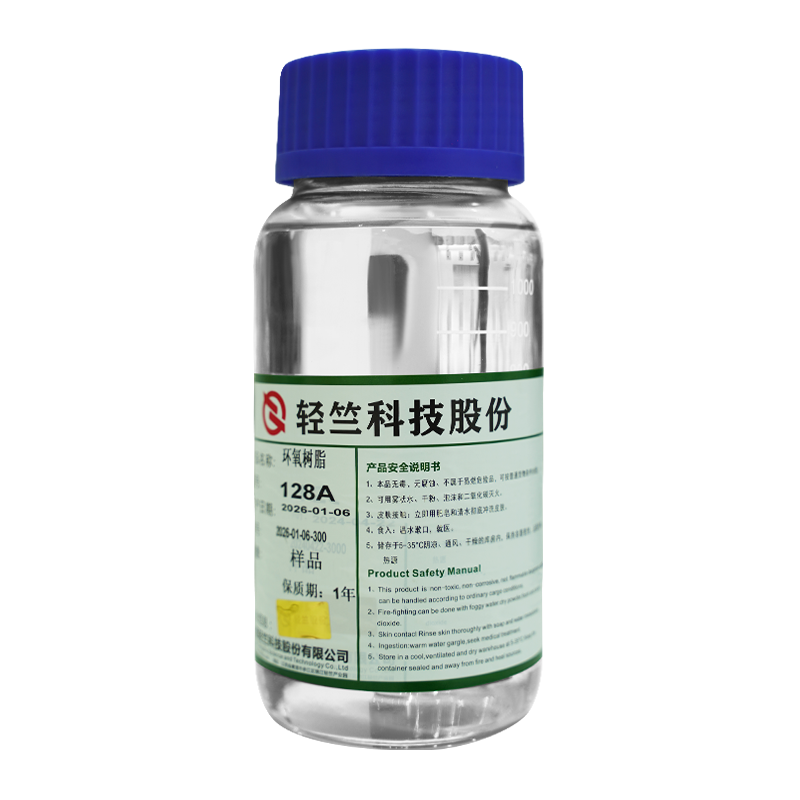
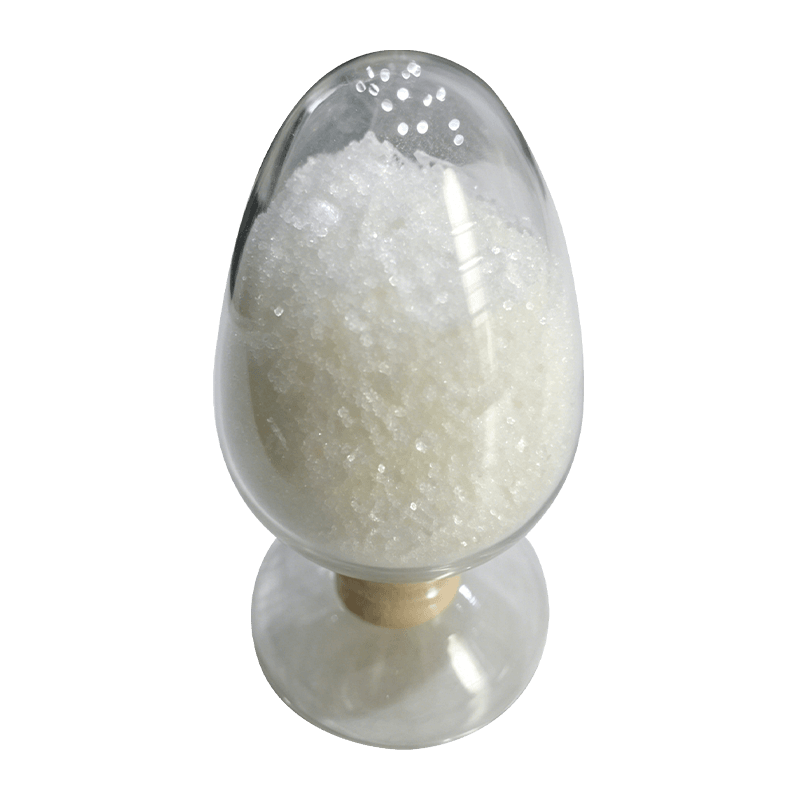
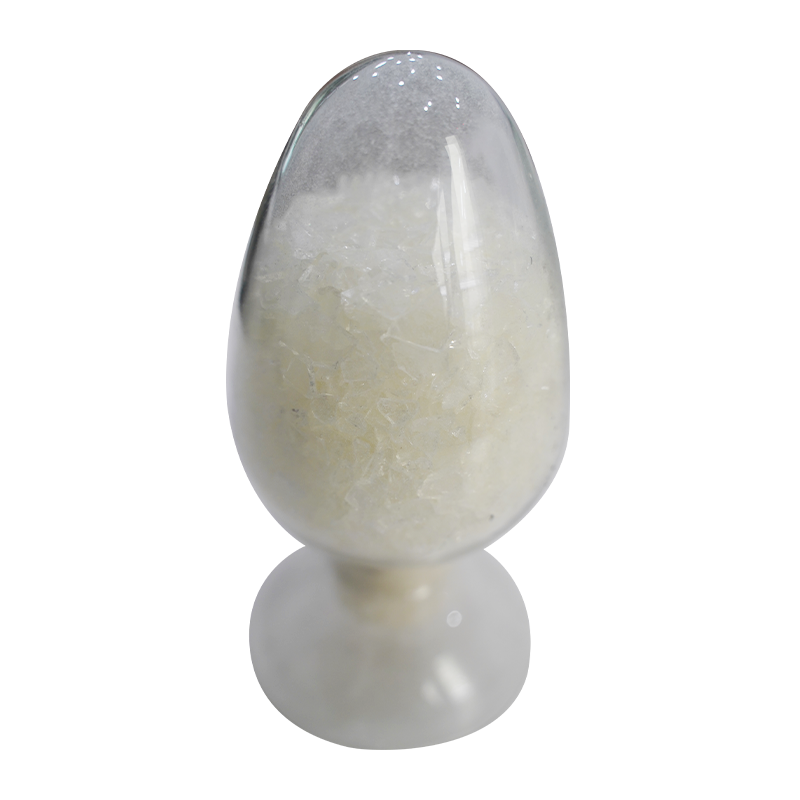
In demanding bonding applications, the performance of an adhesive depends not only on the adhesive formulation itself but also on the properties of the epoxy resin used as its primary polymer component. Epoxy Resin For Adhesives can be formulated to provide strong adhesion, dimensional stability, chemical resistance, electrical insulation, and controlled curing. However, the appropriate resin must be selected according to the substrate, bonding geometry, operating temperature, mechanical loading, and required service life.
Jiangxi Qingzhu Technology Co., Ltd. has made epoxy resin a key area of research and production after years of development in new materials and intelligent manufacturing. Qingzhu has grown into a high-tech enterprise integrating new materials, packaging barrels, optical lens processing, and epoxy resin R&D and production. Through continued investment in formulation development and manufacturing capabilities, Jiangxi Qingzhu Technology Co., Ltd. focuses on improving the functionality, stability, and quality of epoxy resin products for demanding industrial applications.
Properties Worth Evaluating in Adhesive Resin Selection
- Viscosity affects application, wetting, gap filling, and the ability of the adhesive to form a uniform bond line.
- Epoxy equivalent weight is important when calculating the appropriate curing-agent ratio.
- Curing behavior determines working time, handling time, and development of final mechanical properties.
- Toughness can influence resistance to impact, vibration, and repeated mechanical loading.
- Chemical and thermal resistance should be matched to the intended operating environment.
Why Epoxy Resin For Industrial Adhesives Requires Controlled Rheology
Rheological behavior is particularly important when epoxy resin is used in industrial adhesives. The adhesive needs to spread sufficiently across the bonding surface and wet the substrate, while still maintaining enough body to prevent excessive flow or sagging. A formulation intended for horizontal bonding may require different viscosity characteristics from one designed for vertical assembly or overhead application.
Temperature also changes epoxy resin viscosity and curing speed. Higher temperatures can improve flow and wetting, but they may simultaneously shorten pot life and accelerate the chemical reaction. For this reason, industrial adhesive formulators should establish a processing window rather than selecting viscosity based on room-temperature data alone. Jiangxi Qingzhu Technology Co., Ltd. continues to invest in advanced production equipment and automated workshops to improve production stability and support consistent resin characteristics.
Rheology-Related Variables
- Resin viscosity determines initial spreading and wetting behavior.
- Temperature influences both flow characteristics and curing kinetics.
- Fillers can significantly increase viscosity and change thixotropic behavior.
- Reactive diluents can reduce viscosity but may alter cured adhesive properties.
- The final formulation should be evaluated under actual application conditions.
Bond-Line Thickness and the Performance of Structural Adhesives
For Epoxy Resin For Structural Adhesives, bond-line thickness can have a significant influence on stress distribution and overall joint reliability. A bond line that is too thin may fail to accommodate surface irregularities, while an excessively thick adhesive layer may introduce unnecessary compliance or affect load transfer. The optimum thickness depends on the adhesive formulation, substrates, joint geometry, surface condition, and mechanical loading.
Industrial adhesive manufacturers should therefore control adhesive application rather than relying only on resin selection. Spacers, calibrated dispensing equipment, controlled clamping pressure, or formulation adjustments may be used to achieve a consistent bond line. Jiangxi Qingzhu Technology Co., Ltd. focuses on improving resin stability and functionality so that epoxy materials can provide predictable processing behavior in practical adhesive formulations.
Bond-Line Considerations
| Factor | Potential Influence | Practical Focus |
|---|---|---|
| Very thin bond line | May provide limited gap filling | Maintain suitable substrate flatness and adhesive coverage |
| Excessive thickness | May change joint stiffness and cure behavior | Control dispensing and joint geometry |
| Uneven thickness | Can cause non-uniform stress distribution | Improve surface preparation and assembly control |
| Controlled thickness | Supports consistent joint performance | Use repeatable application procedures |
Surface Preparation Before Applying Epoxy Resin For Adhesives
Even a high-quality Epoxy Resin For Adhesives cannot compensate for an improperly prepared substrate. Dust, grease, oil, moisture, oxidation, weak surface layers, and processing residues can interfere with wetting and reduce effective adhesion. Surface preparation should therefore be considered part of the adhesive system rather than an independent construction step.
Different substrates may require different preparation methods. Metals can require degreasing, abrasion, blasting, or other surface treatments, while plastics and composites may require cleaning and controlled surface modification. Concrete, ceramics, glass, and other materials each have their own surface characteristics. Jiangxi Qingzhu Technology Co., Ltd. develops epoxy resin materials with attention to stable processing and adhesion-related performance, but the final bonding result should always be validated on the actual substrate.
Common Surface-Related Problems
- Oil and grease can prevent intimate contact between adhesive and substrate.
- Dust can create a weak intermediate layer inside the joint.
- Oxide layers on metals can affect long-term adhesion if not appropriately treated.
- Excessive moisture may interfere with wetting or curing depending on the adhesive formulation.
Choosing Curing Chemistry for Epoxy Resin For Industrial Adhesives
The final properties of an epoxy adhesive are strongly influenced by the curing agent and the resulting crosslinked network. Different curing chemistries can provide different balances of hardness, toughness, chemical resistance, heat resistance, flexibility, and curing speed. For industrial adhesives, the curing system should be selected according to the production cycle and the performance requirements of the finished assembly.
The resin-to-curing-agent ratio should be calculated according to the relevant equivalent values and validated through formulation testing. Arbitrarily increasing the curing-agent dosage may accelerate apparent hardening but can negatively influence other properties. Jiangxi Qingzhu Technology Co., Ltd. continues to invest in epoxy resin R&D to support improvements in material functionality and stability, while formulators should establish the appropriate curing system through controlled laboratory and application trials.
Curing Variables to Monitor
- Pot life determines how long the mixed adhesive remains suitable for application.
- Initial cure affects handling and the timing of subsequent manufacturing operations.
- Final cure determines the development of mechanical and thermal properties.
- Cure temperature can influence reaction speed and final network development.
- The curing schedule should be compatible with the thickness and geometry of the bonded assembly.
Toughness Versus Hardness in Structural Adhesive Design
High hardness does not automatically mean high structural reliability. Structural joints may experience impact, vibration, thermal cycling, peel stresses, and repeated loading. An adhesive that is excessively brittle may perform well in a simple static test but become more vulnerable to crack initiation or propagation under demanding service conditions. Epoxy Resin For Structural Adhesives should therefore be evaluated for an appropriate balance between strength, stiffness, and toughness.
Toughening approaches may include modified resin structures, elastomeric components, thermoplastic modifiers, reactive additives, or optimized curing systems. However, every modification can change viscosity, curing behavior, chemical resistance, and processing characteristics. Jiangxi Qingzhu Technology Co., Ltd. emphasizes innovation-driven R&D and continuous product improvement, which are important capabilities when developing epoxy resin formulations that require balanced performance rather than a single optimized property.
Performance Balance in Structural Adhesives
| Property | Why It Matters | Potential Trade-Off |
|---|---|---|
| High strength | Supports high load transfer | May require careful toughness optimization |
| High stiffness | Limits joint deformation | Excessive rigidity may reduce tolerance to impact |
| High toughness | Improves resistance to crack growth and impact | May affect viscosity or thermal performance |
| Fast curing | Improves production throughput | Can shorten working time |
Temperature Resistance of Epoxy Resin For Structural Adhesives
Temperature can influence both the short-term and long-term performance of epoxy adhesive joints. As temperature changes, polymer mobility, stiffness, thermal expansion, and chemical stability can also change. For assemblies exposed to elevated temperatures, the resin and curing system should be evaluated for glass transition behavior, thermal stability, dimensional changes, and retained bond strength.
Thermal cycling is also important because bonded components may contain substrates with different coefficients of thermal expansion. Repeated temperature changes can generate stresses at the adhesive-substrate interface. For Epoxy Resin For Industrial Adhesives, temperature testing should therefore reproduce the expected operating range and, where appropriate, include repeated heating and cooling cycles. Jiangxi Qingzhu Technology Co., Ltd. continues to improve resin products through R&D and process optimization to meet increasingly demanding industrial requirements.
Thermal Evaluation Considerations
- Determine the expected continuous and peak service temperatures.
- Consider glass transition behavior when selecting the cured epoxy system.
- Evaluate thermal expansion differences between bonded substrates.
- Use thermal cycling tests when the assembly will experience repeated temperature changes.
Chemical Resistance in Epoxy Resin For Industrial Adhesives
Industrial adhesive joints may encounter oils, fuels, solvents, cleaning agents, water, salts, acids, or alkaline materials during service. Chemical resistance is influenced by the cured epoxy network, crosslink density, additives, fillers, temperature, exposure time, and the specific chemical environment. For Epoxy Resin For Industrial Adhesives, chemical compatibility should therefore be tested against the actual substances expected during operation.
A useful evaluation should examine changes in bond strength, mass, appearance, hardness, dimensional stability, and other relevant properties after exposure. Elevated temperature can accelerate chemical interaction and should be included when appropriate. Jiangxi Qingzhu Technology Co., Ltd. focuses on improving the functionality and stability of epoxy resin products, while application-specific chemical resistance testing remains essential for selecting the right formulation.


 +86-15257130679
  Qingzhu Industrial Park, Yuanqu Avenue, Industrial Park, Yujiang District, Yingtan City, Jiangxi Province, China