

 English
  русский
  عربى
عربى The 601 Standard Grade Solid Epoxy Resin is the foundational general-purpose grade within the 601 Se...
+ VIEW MORE
 Industry News
Home / News & Share / Industry News / Aerospace Resin System Selection: Epoxy Grades, Tg, and Processing Realities
Aerospace Resin System Selection: Epoxy Grades, Tg, and Processing Realities
Qingzhu Technology – Born for Green, Driven for Tomorrow.
Content
An engineer evaluating an aerospace resin system rarely gets to test dozens of candidates. The program schedule is fixed, the part geometry is already tooled, and the certification plan does not wait for laboratory experiments. The practical question is not which resin is theoretically best; it is which resin has a realistic chance of passing thermal, mechanical, and processing screening on the first attempt. The way to answer that question is to compare the properties that aerospace specifications actually check, rather than the headline numbers on a technical data sheet. A resin system must be qualified as a complete package: thermal performance, mechanical retention, processing behavior, and batch-to-batch consistency all stand or fall together.
This article explains how aerospace resin systems are evaluated in practice, what the critical specification limits mean, and how a resin supplier should support the qualification effort.
What an Aerospace Resin System Includes
In aerospace composite structures, the resin system is the continuous phase that surrounds and protects the reinforcing fibers. It transfers load between fibers, prevents micro-buckling under compression, and shields the laminate from moisture and chemical attack. While thermoplastics have entered some secondary structures, epoxy-based thermosets remain the dominant matrix chemistry for primary and secondary aircraft parts because of their balance of stiffness, adhesion, dimensional stability, and formulation flexibility.
An aerospace resin system usually contains three elements: the base epoxy resin, a curing agent or hardener, and a package of modifiers that tune toughness, flow, and reactivity. The ratio between these components determines everything from the viscosity during injection to the final glass transition temperature of the cured laminate. That is why two systems with the same base resin can behave very differently in production. Selecting a matrix also means selecting a process: prepreg lay-up, resin transfer molding, vacuum-assisted infusion, and filament winding each place different demands on the uncured resin. Manufacturers exploring these routes can reference the epoxy resin systems used in composite applications for a wider view of matrix and process pairing.
Performance Criteria That Drive Material Choice
Procurement teams often begin with data sheets listing a single number for glass transition temperature. The number is necessary but insufficient. Every aerospace resin system must be evaluated across at least six parameters, and the acceptable range for each depends on the flight envelope, the operating environment, and the manufacturing process.
| Parameter | Why It Matters | Typical Benchmark |
|---|---|---|
| Glass transition temperature (dry) | Defines the upper service temperature with an applied safety margin | At least 150 °C for a 120 °C-service resin (DMA onset) |
| Glass transition temperature (hot-wet) | Confirms that the matrix retains rigidity after moisture saturation | At least 120 °C after conditioning to equilibrium water uptake |
| Water absorption | High uptake degrades hot-wet performance and can trigger microcracking | Below 2 % in a standard boiling-water exposure test |
| Outgassing (ASTM E595) | Prevents condensable volatiles from contaminating optics and electronics | Total mass loss below 1 %; collected volatile condensables below 0.1 % |
| Viscosity at injection temperature | Determines fiber wet-out and fill time in resin transfer molding and infusion | 100 to 500 mPa·s for infusion-grade systems |
| Compression after impact (CAI) | Indicates how well the laminate tolerates impact damage | Program-specific, often above 150 MPa at a defined impact energy |
Each row interacts with the others. A highly crosslinked system that achieves a high dry glass transition temperature often has lower strain-to-failure and reduced toughness. A toughened system with excellent CAI performance may be too viscous for infusion. The experienced approach is to define the minimum acceptable value for every parameter and then search for a system that clears all of them simultaneously.
Processing Constraints Decide What Is Manufacturable
An aerospace resin system can show perfect mechanical properties on a flat test panel and still fail in a complex production part. The resin must flow into the tool, wet out the reinforcement, degas without trapping volatiles, and cure on a schedule that fits the production line.
For resin transfer molding and vacuum-assisted infusion, viscosity is the controlling variable. If the resin cannot drop below roughly 500 mPa·s at the injection temperature, it will not penetrate a multi-layer fiber preform before the pot life expires. Low-viscosity liquid epoxy grades are therefore the starting point for most infusion development programs. For infusion trials, a low-viscosity transparent liquid epoxy such as the E39D provides the flow characteristics needed for lab-scale parts and small series production.
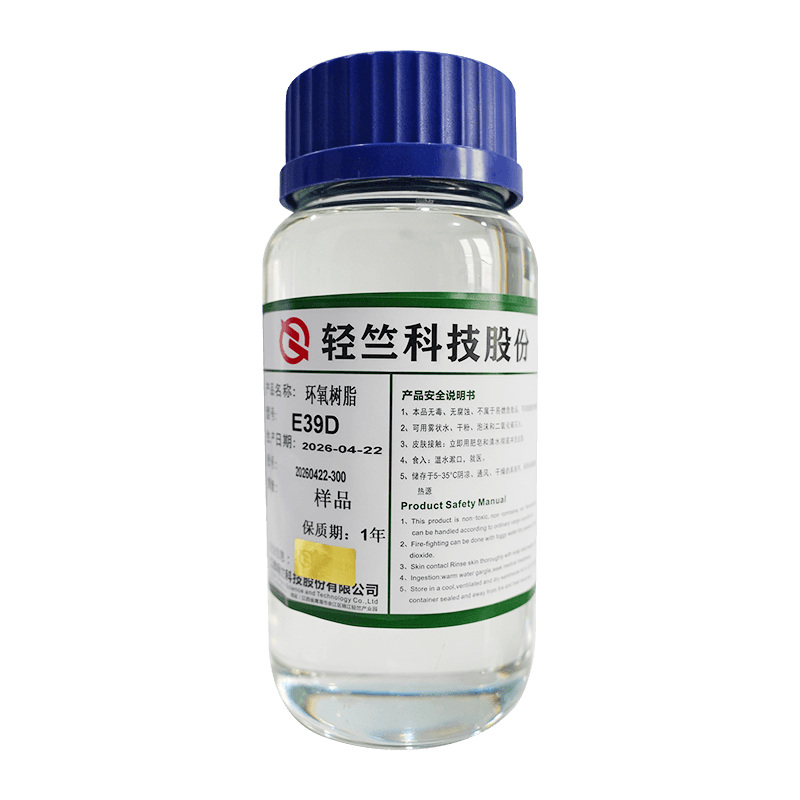 E39D Low-Viscosity Transparent Liquid Epoxy ResinThe E39D Low-Viscosity Transparent Liquid Epoxy Resin is a high-purity bisphenol A liquid resin distinguished within the standalone product range by its combination of...View Product →
For prepreg processes, the requirements are different: controlled tack, a defined out-time window, and a cure cycle that does not create excessive exotherm in thick sections. Filament winding adds the requirement of a long pot life at room temperature with rapid cure at elevated temperature. A short checklist for process compatibility:
- Measured viscosity curve from injection temperature to gelation, not just a single point value.
- Pot life long enough for the largest planned part, including contingency time.
- Cure exotherm below the threshold that could degrade a thick laminate.
- Compatibility with release films, bagging materials, and tooling surfaces.
Temperature and Toughness: The Twin Challenges
Most aerospace resin systems must overcome the same pair of contradictions. First, the cured matrix must keep its stiffness and strength at temperatures that can exceed 120 °C near engines, flight surfaces, or lightning strike zones. Second, it must tolerate impact damage without delaminating, because composite structures can fail internally at energy levels that would only dent a metallic part.
High-temperature service is achieved by increasing crosslink density or by using multifunctional epoxy backbones. The trade-off is brittleness. A high-temperature solid epoxy resin, such as the 604H grade, is a practical example of a building block that pushes service temperature upward while remaining processable in standard mixing and application equipment.
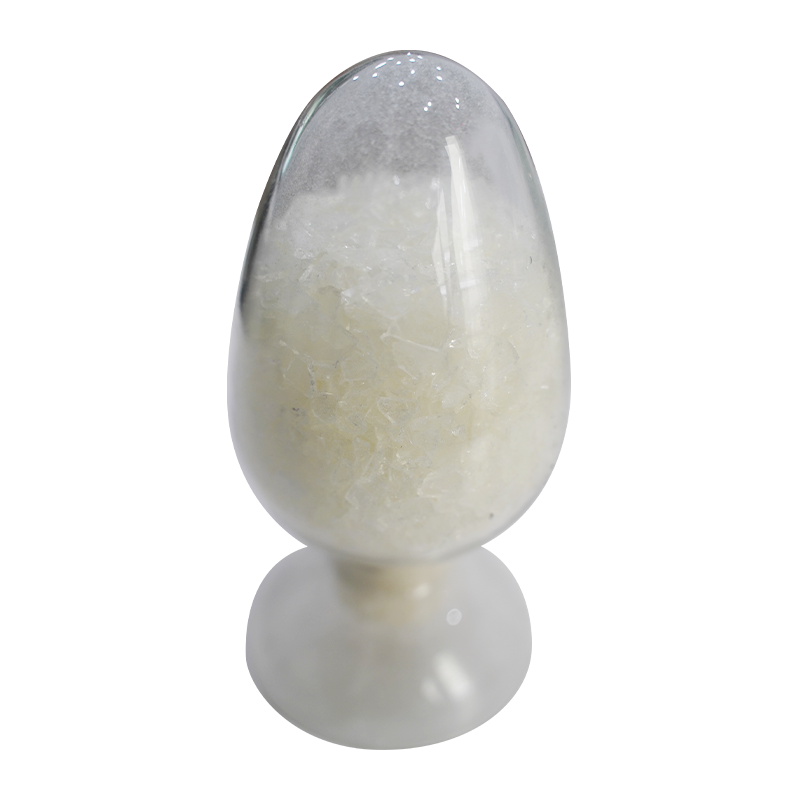 604H High-Temperature Solid Epoxy ResinThe 604H High-Temperature Solid Epoxy Resin is the elevated-performance grade of the 604 Series, built on the 604 platform with deep thermal modification to achieve a ...View Product →
Toughness is measured most convincingly by compression after impact. In this test, a panel is struck at a defined energy, then loaded in compression to force the damaged region to carry load. Tougher resin systems allow higher residual strength because microcracks are blunted and delamination growth is suppressed. High-toughness solid epoxy resins, including the 604 grade, are designed for this behavior, making them candidates for laminates that face impact threats from hail, runway debris, and maintenance handling.
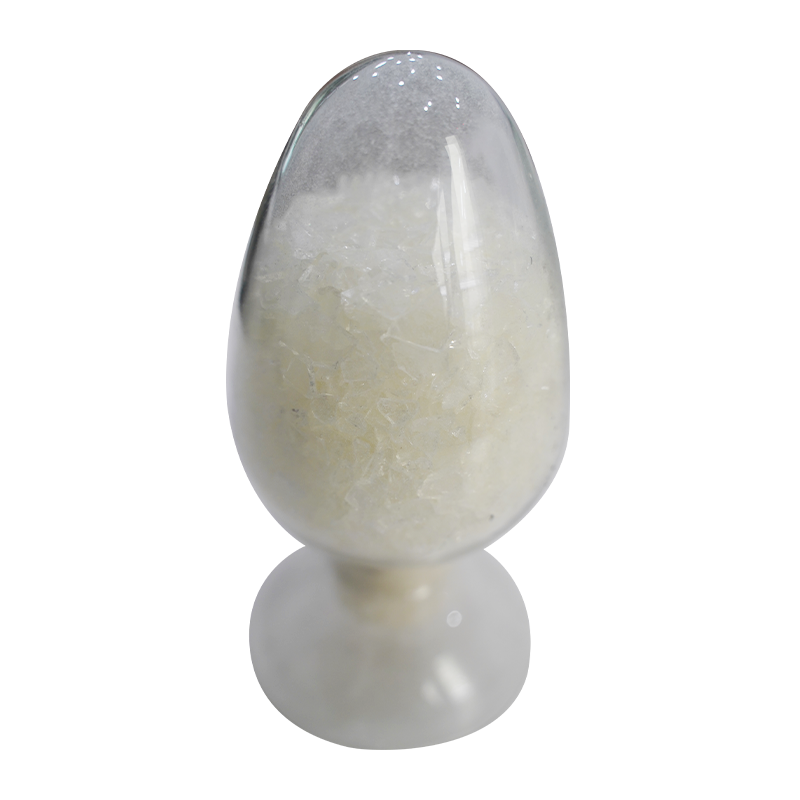 604 High-Toughness Solid Epoxy ResinThe 604 High-Toughness Solid Epoxy Resin is the foundational grade of the 604 Series — a bisphenol A high-molecular-weight solid resin designed around extended molecul...View Product →
Qualification, Traceability, and Supplier Risk
The best performing aerospace resin system becomes a liability if the supplier cannot reproduce it. Every lot should arrive with data that can be traced to raw material certificates, production records, and quality control testing. In practice, this means evaluating three things before production begins:
- Data package completeness: viscosity, gel time, glass transition temperature, mechanical properties, and solvent resistance measured by a consistent method.
- Batch-to-batch consistency: historical control charts showing how viscosity and reactivity vary across production lots.
- Supply resilience: raw material availability, production capacity, and the ability to hold specification during raw material substitutions.
A supplier that treats these requirements as engineering tasks rather than paperwork is worth more than one that promises marginal gains in a single property. The same discipline applies when resin systems are used as structural adhesives and sealants, where bond integrity depends on identical cure behavior from lot to lot.
Practical Steps for Selecting an Aerospace Resin System
Bringing an aerospace resin system from data sheet to certified part is a repeatable process. The sequence below reflects how material engineers typically approach it:
- Define the service environment: maximum temperature, humidity exposure, fluid contact, and impact threat.
- Screen candidates against the six performance parameters listed in Table 1.
- Verify manufacturability with viscosity, gel time, and cure exotherm measurements using production-intent processes.
- Build test panels under simulated production conditions and measure hot-wet retention and mechanical properties.
- Establish a qualified supplier with traceable batch data and a documented change-control process.
The companies that move fastest are not necessarily those chasing the highest single number. They are the ones that define clear specification limits, test under realistic conditions, and partner with a resin supplier willing to share data and iterate on formulation.
Related Product
-
-
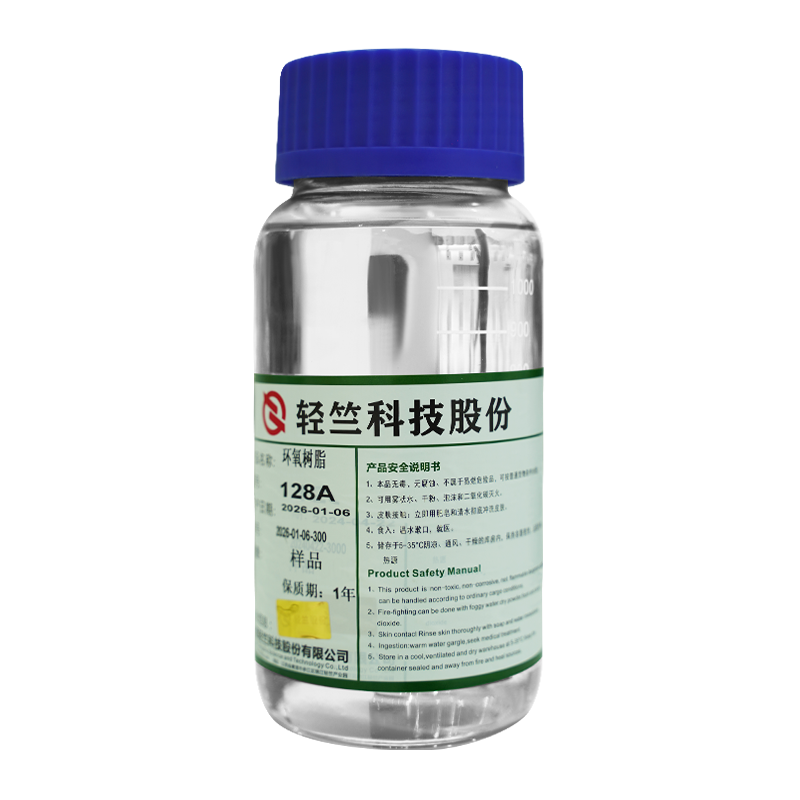
The 128A Standard Grade Liquid Epoxy Resin is a classic bisphenol A liquid resin offering a stable e...
+ VIEW MORE -
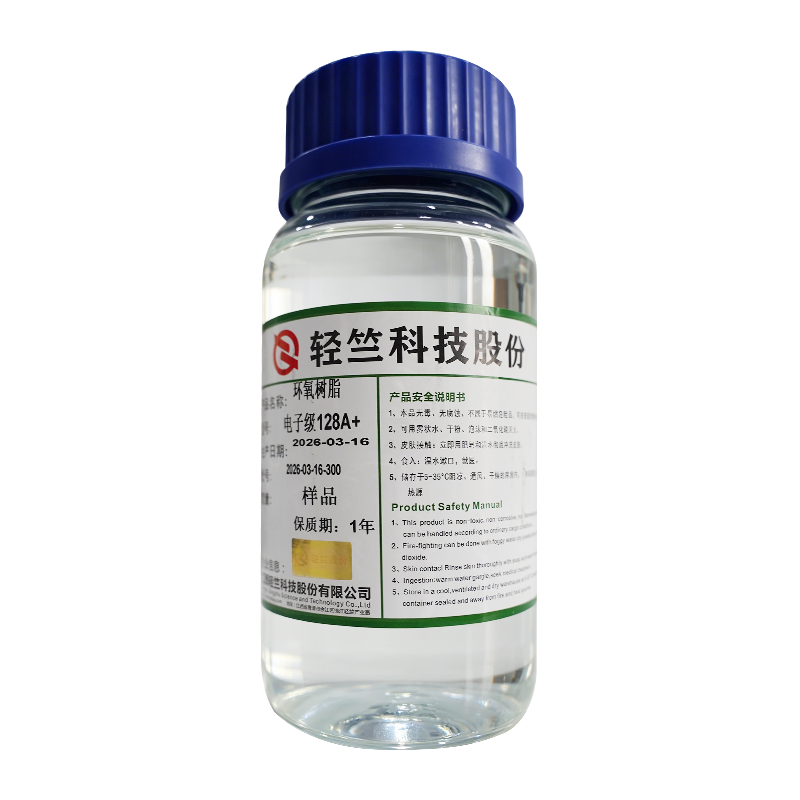
The 128A+ Electronic Grade Liquid Epoxy Resin is a high-purity bisphenol A liquid resin formulated f...
+ VIEW MORE -
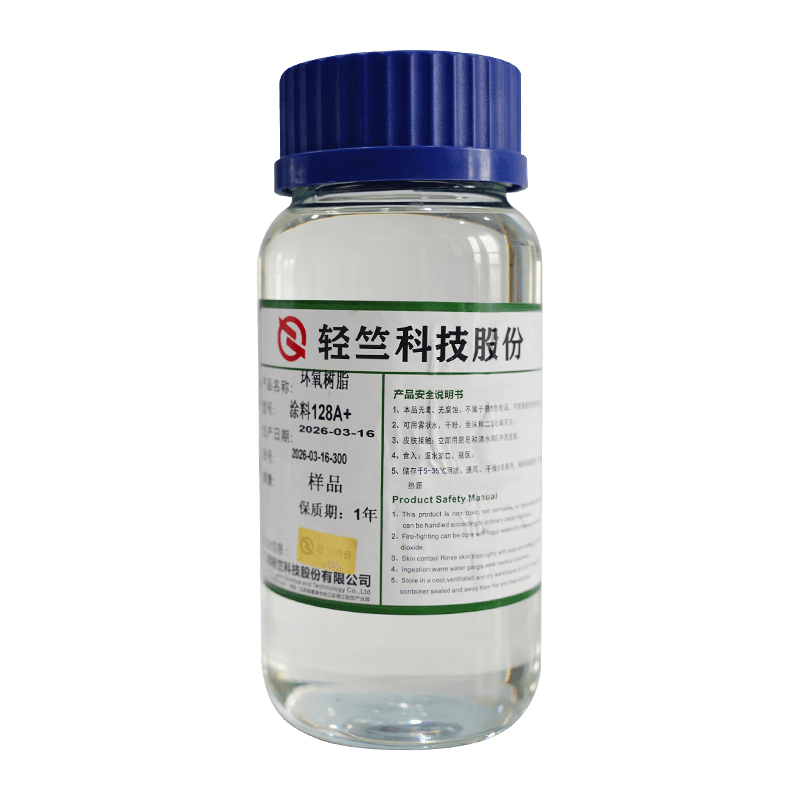
The 128A+ Coating Grade Liquid Epoxy Resin is a bisphenol A liquid resin specifically optimized for ...
+ VIEW MORE -
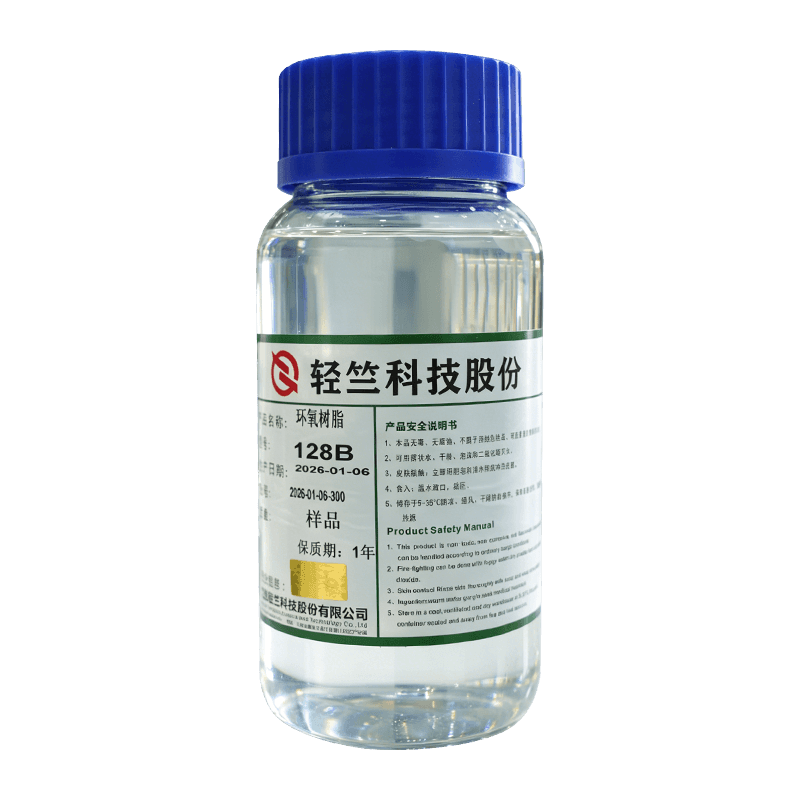
The 128B Low-Viscosity Liquid Epoxy Resin is the lowest-viscosity grade in the 128 Series. While ret...
+ VIEW MORE

Product Categories
Epoxy Resin 128 Series Epoxy Resin 601 Series Epoxy Resin 604 Series E44 General-Purpose Liquid Epoxy Resin E39D Low-Viscosity Transparent Liquid Epoxy Resin 450A80 High-Solids Flexible Liquid Epoxy Resin 901A80 High-Temperature Specialty Liquid Epoxy ResinContact
 [email protected]
 +86-15257130679
 Qingzhu Industrial Park, Yuanqu Avenue, Industrial Park, Yujiang District, Yingtan City, Jiangxi Province, China
