


 English
  русский
  عربى
عربى 
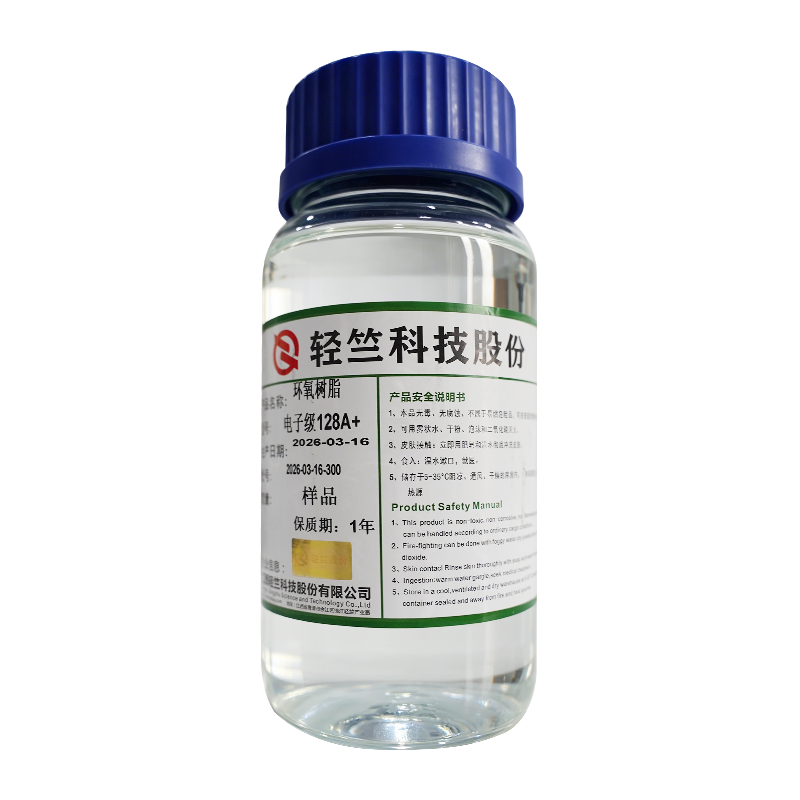
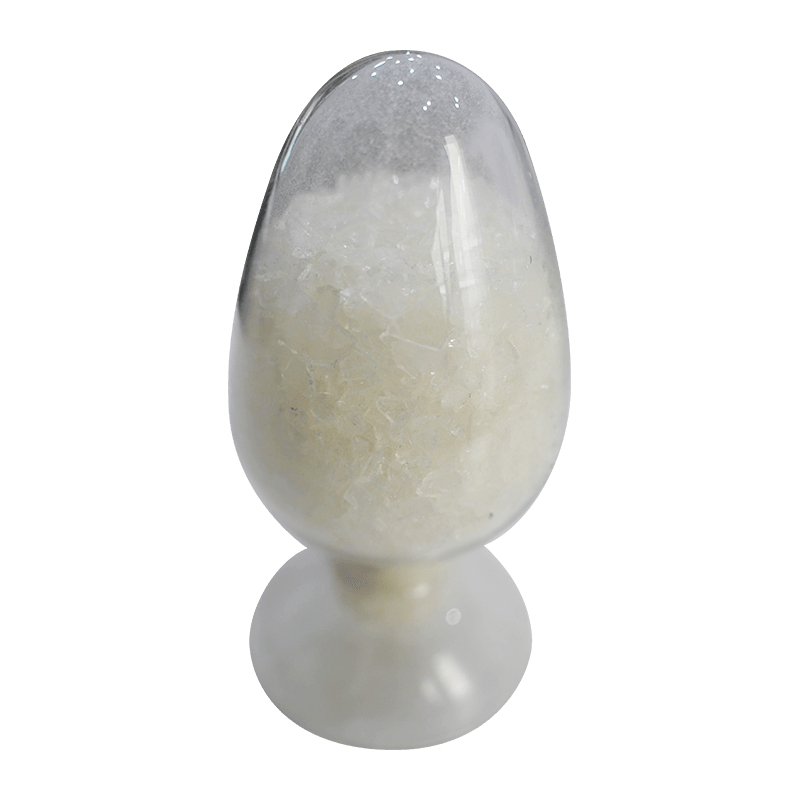
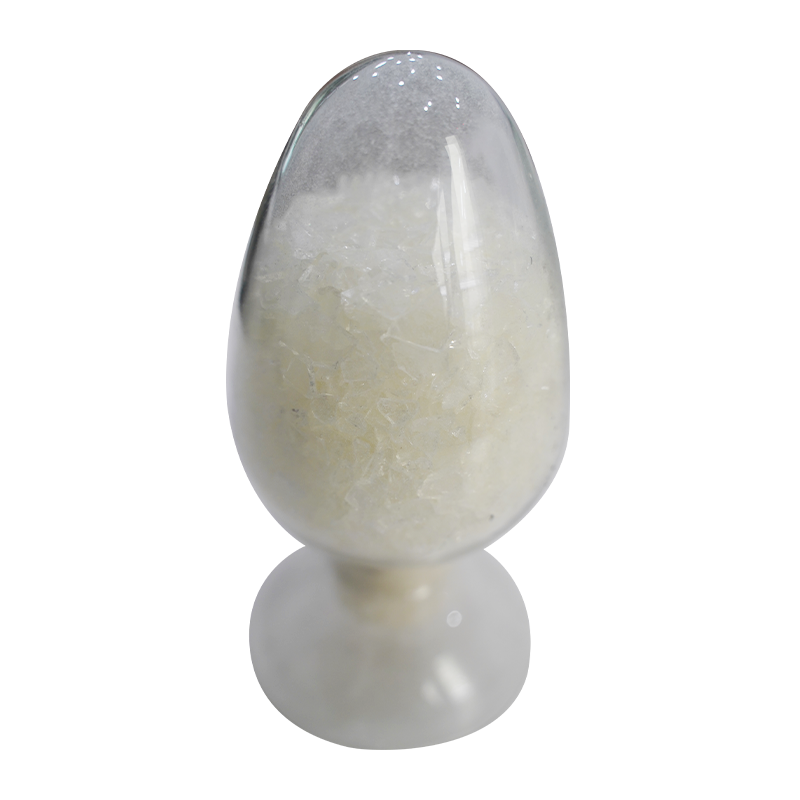
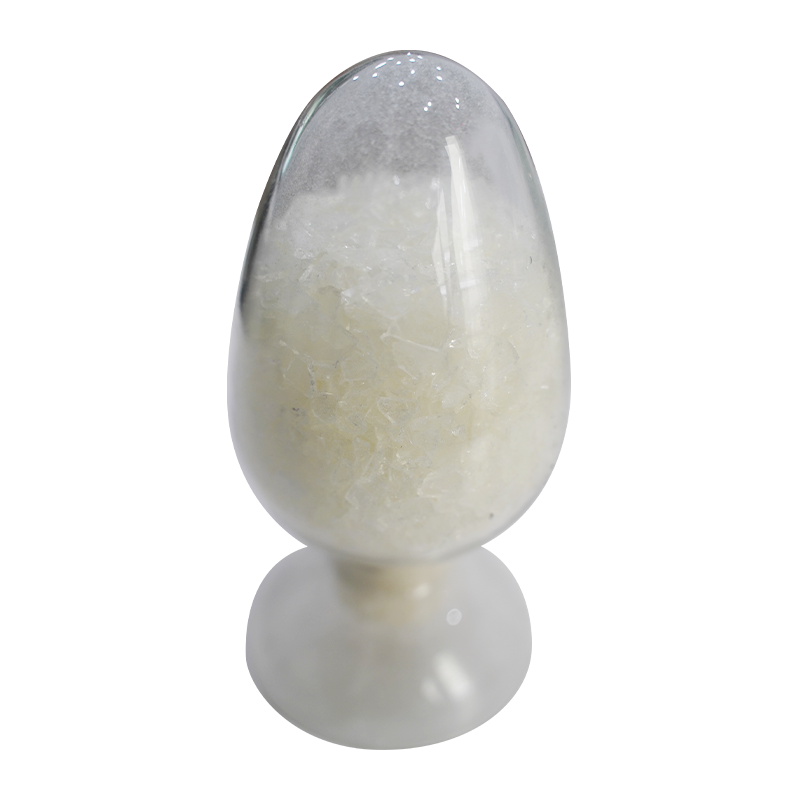
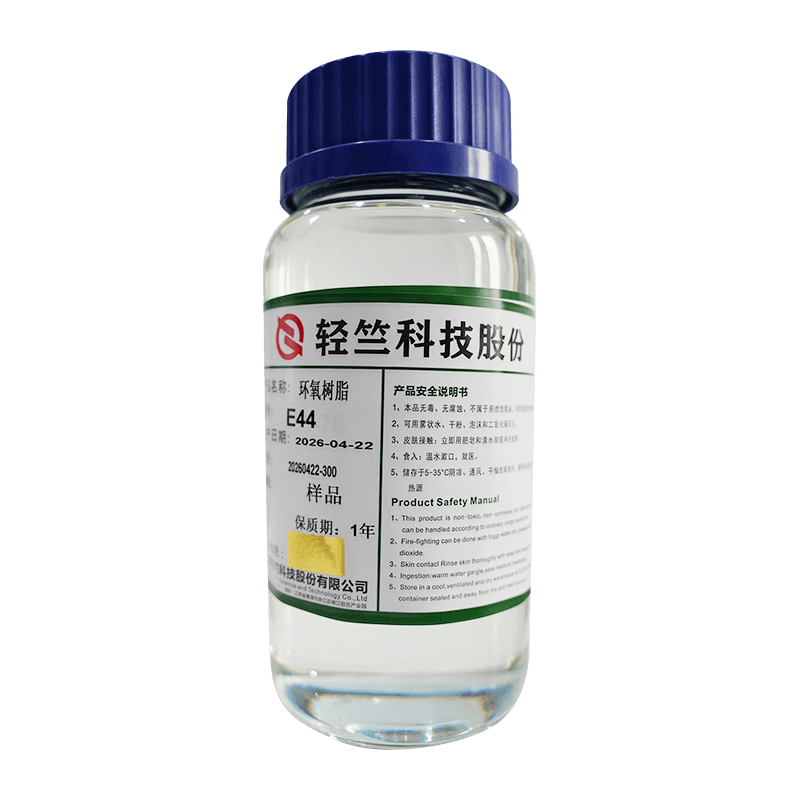
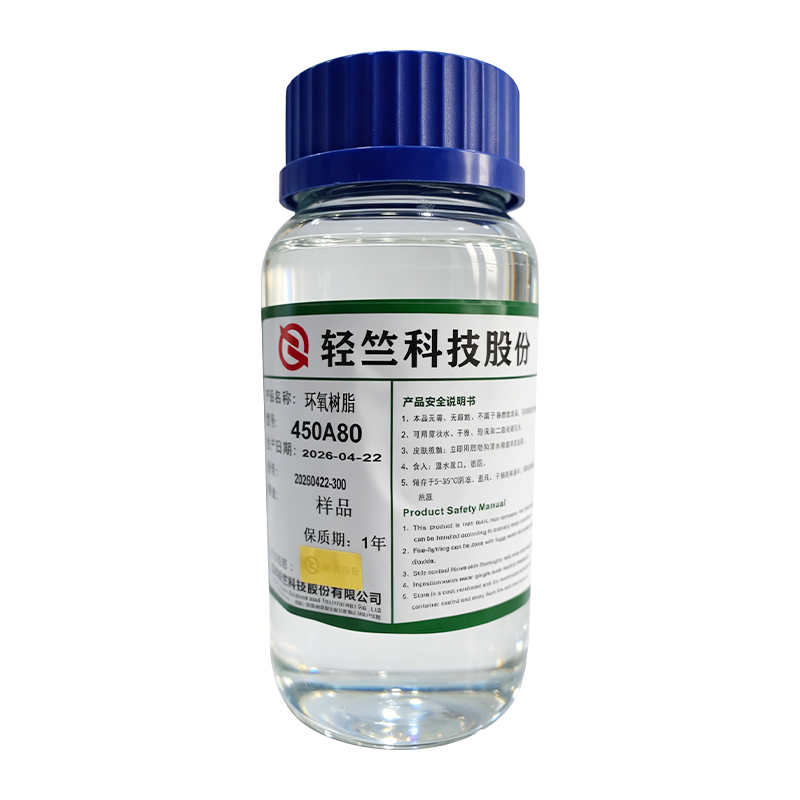

How Epoxy Resin Selection Influences Concrete Repair Performance
In concrete repair work, epoxy resin selection should be based on the condition of the damaged structure, the repair method, environmental exposure, and the required service life. Epoxy Resin For Concrete Repair is often expected to provide strong adhesion, controlled viscosity, good penetration, and stable curing. However, the best resin is not necessarily the one with the highest hardness or lowest viscosity. The formulation needs to balance penetration, bonding strength, toughness, curing behavior, and compatibility with the repair material.
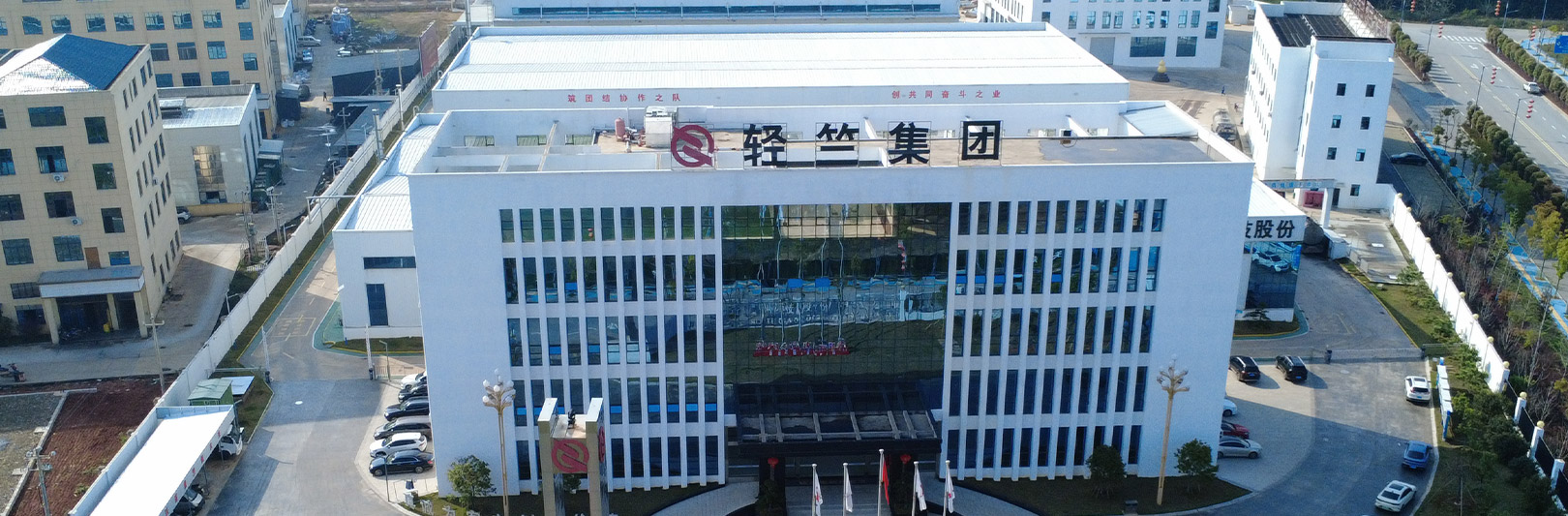
Jiangxi Qingzhu Technology Co., Ltd. has developed into a high-tech enterprise integrating new materials, packaging barrels, optical lens processing, and epoxy resin R&D and production. After years of refinement, Jiangxi Qingzhu Technology Co., Ltd. has made epoxy resin a key area of focus and continues to invest in improved formulations and product quality. This development direction is particularly relevant to demanding applications such as Epoxy Resin For Civil Engineering, where material consistency can directly influence construction results.
Important Properties for Concrete Repair Resin
- Low and stable viscosity can improve penetration into cracks and porous concrete surfaces.
- Strong adhesion helps establish a reliable bond between the repair resin and the existing concrete.
- Controlled curing behavior provides sufficient working time for practical construction operations.
- Appropriate toughness can help the repaired area tolerate vibration, impact, and minor movement.
- Chemical and moisture resistance should be considered when the repaired structure operates in aggressive environments.
Matching Epoxy Resin For Civil Engineering to Structural Conditions
Civil engineering structures rarely have identical repair conditions. A bridge deck, industrial floor, concrete column, tunnel lining, foundation, and precast component may experience completely different combinations of load, moisture, temperature, chemical exposure, and vibration. Epoxy Resin For Civil Engineering should therefore be selected according to the actual repair objective rather than treated as a universal material.
For example, a crack-injection resin may require a viscosity suitable for penetrating narrow cracks, while a bonding resin used beneath a strengthening system may require different rheological and curing characteristics. A resin used for vertical repairs may also need controlled flow to prevent excessive sagging. Jiangxi Qingzhu Technology Co., Ltd. continues to develop epoxy resin products with attention to functionality and stability, supporting application-specific formulation development for different industrial requirements.
Application Conditions That Should Be Evaluated
| Condition | Potential Influence | Recommended Focus |
|---|---|---|
| Concrete porosity | Affects resin penetration | Evaluate viscosity and wetting behavior |
| Crack width | Determines required flow characteristics | Select an appropriate injection or filling formulation |
| Moisture | Can influence adhesion and curing | Assess substrate and environmental conditions before application |
| Temperature | Changes viscosity and cure rate | Validate application and curing windows |
Why Concrete Surface Preparation Determines Repair Reliability
Even a Epoxy Resin For Concrete Repair and Epoxy Resin For Structural Strengthening may fail to deliver the expected result if the concrete substrate is poorly prepared. Dust, laitance, oil, grease, loose particles, curing compounds, and weak surface layers can prevent the resin from forming an effective bond. Before application, the repair area should be cleaned and prepared according to the selected repair method and the condition of the concrete.
Mechanical preparation such as grinding, scarifying, or other suitable techniques can be used to remove weak surface material and expose a sound substrate. Cracks and damaged areas should also be assessed to determine whether resin injection, patching, bonding, or a combination of methods is appropriate. Jiangxi Qingzhu Technology Co., Ltd. emphasizes quality and manufacturing stability, but the final performance of Epoxy Resin For Civil Engineering still depends on the complete construction system, including substrate preparation and curing conditions.
Common Preparation Issues
- Dust remaining on the surface can reduce effective contact between resin and concrete.
- Oil and grease can create a weak boundary layer that interferes with adhesion.
- Loose concrete should be removed before structural bonding or repair.
- Excessive moisture should be evaluated because it may affect resin wetting, adhesion, or curing depending on the formulation.
Using Epoxy Resin For Structural Strengthening with Composite Systems
Epoxy Resin For Structural Strengthening is frequently used as part of systems that combine resin with carbon fiber, fiberglass, steel components, or other reinforcement materials. In composite strengthening, the resin must establish an effective bond between the existing concrete and the reinforcement while transferring stresses across the interface. Resin viscosity, wetting, curing behavior, adhesion, and final mechanical properties therefore become important factors in the overall strengthening system.
For fiber-reinforced strengthening, the resin should adequately wet the reinforcement and maintain a consistent bond during curing. Poor impregnation or insufficient adhesion can create weak interfaces that limit the effectiveness of the strengthening layer. Jiangxi Qingzhu Technology Co., Ltd. has continued to expand its epoxy resin R&D capabilities and improve product functionality and stability, providing a technical foundation for developing materials suited to demanding composite-related applications.
Key Considerations for Structural Strengthening
- The resin should provide reliable adhesion to properly prepared concrete.
- The formulation should provide adequate wetting of the selected carbon fiber or fiberglass reinforcement.
- Curing time should be compatible with the installation schedule and site conditions.
- The cured system should maintain appropriate mechanical and environmental resistance for the intended service conditions.
Viscosity Control for Crack Injection and Concrete Repair
Viscosity is one of the most practical parameters when selecting Epoxy Resin For Concrete Repair. Narrow cracks generally require a resin capable of penetrating the available space under the selected injection conditions. If viscosity is too high, penetration may be limited. If the material is excessively fluid, however, controlling placement and maintaining the intended resin distribution can become more difficult. The ideal viscosity therefore depends on crack geometry, injection equipment, temperature, and the specific repair objective.
Temperature should also be considered because epoxy resin viscosity typically changes with temperature. A material that flows effectively in a controlled laboratory environment may behave differently on a cold construction site or under high summer temperatures. Jiangxi Qingzhu Technology Co., Ltd. has invested in advanced production equipment and fully automated workshops to strengthen manufacturing consistency, while application trials remain important for confirming performance under actual field conditions.
Variables Affecting Crack Injection
- Crack width and depth determine the required resin flow characteristics.
- Concrete temperature can change resin viscosity and working time.
- Injection pressure should be appropriate for the repair geometry and substrate condition.
- The resin's curing profile should provide adequate time for penetration before significant viscosity increase.
How Curing Behavior Affects Structural Repair Projects
Curing behavior is especially important in civil engineering because repair work often takes place under variable environmental conditions. A resin that cures too quickly may reduce the available working time, while a resin that cures too slowly may delay subsequent construction operations. For Epoxy Resin For Structural Strengthening, the curing profile also needs to provide sufficient development of mechanical properties before the strengthened structure is returned to service.
The resin-to-curing-agent ratio, ambient temperature, substrate temperature, component thickness, and selected accelerator system can all influence cure behavior. Formulators should establish the correct mixing ratio according to the technical specification rather than adjusting it arbitrarily on site. Jiangxi Qingzhu Technology Co., Ltd. continues to invest in R&D and professional technical personnel to improve epoxy resin products and strengthen control over material functionality and stability.
Cure Parameters to Monitor
| Parameter | Why It Matters | Practical Control |
|---|---|---|
| Pot life | Determines usable working time | Match batch size and application speed |
| Initial cure | Affects handling and subsequent operations | Control temperature and formulation ratio |
| Final cure | Determines developed mechanical properties | Follow the validated curing schedule |
| Exotherm | Can affect thick repairs and internal stresses | Control batch size, thickness, and temperature |
Epoxy Resin For Structural Strengthening and Load Transfer
The effectiveness of structural strengthening depends heavily on load transfer between the existing structure, adhesive layer, and reinforcement. Epoxy Resin For Structural Strengthening should therefore provide consistent adhesion and sufficient mechanical integrity after curing. In a fiber-reinforced strengthening system, the resin matrix transfers stress from the concrete surface into the reinforcement, making the quality of the bond line an important part of the structural system.
Bond-line thickness should also be controlled according to the selected strengthening method. Excessive resin accumulation may alter the mechanical behavior and increase material consumption, while insufficient resin can leave dry areas or incomplete contact. Jiangxi Qingzhu Technology Co., Ltd. focuses on improving resin stability and functionality through continued R&D, advanced manufacturing equipment, and professional technical resources, supporting the development of epoxy systems for demanding applications.
Factors Affecting Effective Load Transfer
- Concrete surface strength and cleanliness influence adhesion at the substrate interface.
- Resin wetting determines the quality of contact between epoxy and reinforcement.
- Cured resin mechanical properties affect stress distribution within the strengthening system.
- Uniform application helps prevent localized weak areas in the bond layer.
Moisture and Environmental Exposure in Civil Engineering Repairs
Civil engineering repair projects often take place in environments where moisture, temperature variation, salts, chemicals, and repeated wet-dry cycles can affect material performance. Before selecting Epoxy Resin For Civil Engineering, engineers should evaluate the actual exposure conditions rather than relying only on standard laboratory performance. A resin system designed for a dry indoor environment may have different requirements from one used in underground structures, bridges, marine-adjacent facilities, or industrial plants.
Environmental compatibility should be evaluated through appropriate application testing. Factors such as moisture during installation, long-term water exposure, thermal cycling, and chemical contact can influence the durability of the resin-concrete interface. Jiangxi Qingzhu Technology Co., Ltd. places environmental protection at the core of its development philosophy and actively pursues environmentally responsible product development while improving the functional stability of its epoxy resin materials.
Environmental Conditions Worth Considering
- Ambient and substrate temperature during application and curing.
- Moisture conditions in the concrete and surrounding environment.
- Exposure to water, salts, oils, fuels, acids, alkalis, or other chemicals.
- Ultraviolet exposure and outdoor temperature cycling where applicable.
- Expected vibration, movement, impact, and repeated loading during service.
Quality Control Considerations for Epoxy Resin Used in Civil Engineering
Consistency between production batches is particularly important when epoxy resin is used in structural or infrastructure-related applications. Changes in viscosity, epoxy equivalent weight, curing behavior, or impurity levels can influence processing and final performance. Reliable manufacturing controls therefore become an important part of material selection, especially when a project requires large quantities of resin over an extended construction period.
Jiangxi Qingzhu Technology Co., Ltd. has made substantial investments in production and R&D, introduced advanced production equipment from both domestic and international sources, and established fully automated advanced workshops. The company has also assembled a professional team to improve and innovate existing products. These capabilities support Jiangxi Qingzhu Technology Co., Ltd.'s objective of strengthening resin quality and batch stability for practical industrial applications.
Useful Supplier Evaluation Points
- Check whether key resin properties are consistently controlled between batches.
- Review technical documentation for viscosity, equivalent weight, curing behavior, and storage conditions.
- Confirm that the supplier has sufficient production capacity for long-term project requirements.
- Evaluate technical support for formulation adjustment and application testing.
- Consider the manufacturer's investment in R&D, automation, quality management, and environmentally responsible production.
Application Testing Before Large-Scale Concrete Repair
Before adopting an Epoxy Resin For Concrete Repair or Epoxy Resin For Structural Strengthening for a large project, application testing should reproduce the most important field conditions. The test should use representative concrete, the intended reinforcement where applicable, actual mixing equipment, expected temperature, planned application thickness, and the proposed curing schedule. This can reveal practical issues that may not be visible from laboratory data alone.
Testing can include adhesion evaluation, penetration behavior, working time, curing development, hardness, tensile or bond performance, and environmental resistance as required by the project. For structural applications, testing should be aligned with the relevant engineering design, construction specifications, and applicable standards. Jiangxi Qingzhu Technology Co., Ltd. continues to emphasize R&D and product improvement so that resin products can better meet the functional and stability requirements of demanding applications.
A Practical Evaluation Checklist
- Measure viscosity under the temperature conditions expected during construction.
- Evaluate adhesion on properly prepared representative concrete substrates.
- Verify working time against the planned construction cycle and batch size.
- Check curing development before exposing the repair to subsequent construction operations or service loads.
- Assess environmental resistance when the repaired structure will face moisture, chemicals, temperature variation, or outdoor exposure.
Qingzhu's Focus on Advanced Epoxy Resin Development
Jiangxi Qingzhu Technology Co., Ltd. has grown through years of refinement into a high-tech enterprise covering new materials, packaging barrels, optical lens processing, and epoxy resin R&D and production. The company has identified epoxy resin as a key development area and continues to pursue improved variants and higher product quality. Qingzhu's subsidiaries have annual turnover exceeding RMB 1 billion, and the group is experiencing rapid growth, providing additional resources for technology development and manufacturing expansion.
Since its founding, Jiangxi Qingzhu Technology Co., Ltd. has upheld integrity in business and remained committed to quality. The company has invested substantially in production and R&D, introduced advanced equipment from domestic and international sources, built fully automated workshops, and established a professional team dedicated to product improvement. For Epoxy Resin For Civil Engineering, Epoxy Resin For Concrete Repair, and Epoxy Resin For Structural Strengthening, this combination of manufacturing capability, technical development, and environmental awareness supports Qingzhu's continuing effort to improve resin functionality, stability, and practical application performance.


 +86-15257130679
  Qingzhu Industrial Park, Yuanqu Avenue, Industrial Park, Yujiang District, Yingtan City, Jiangxi Province, China