

 English
  русский
  عربى
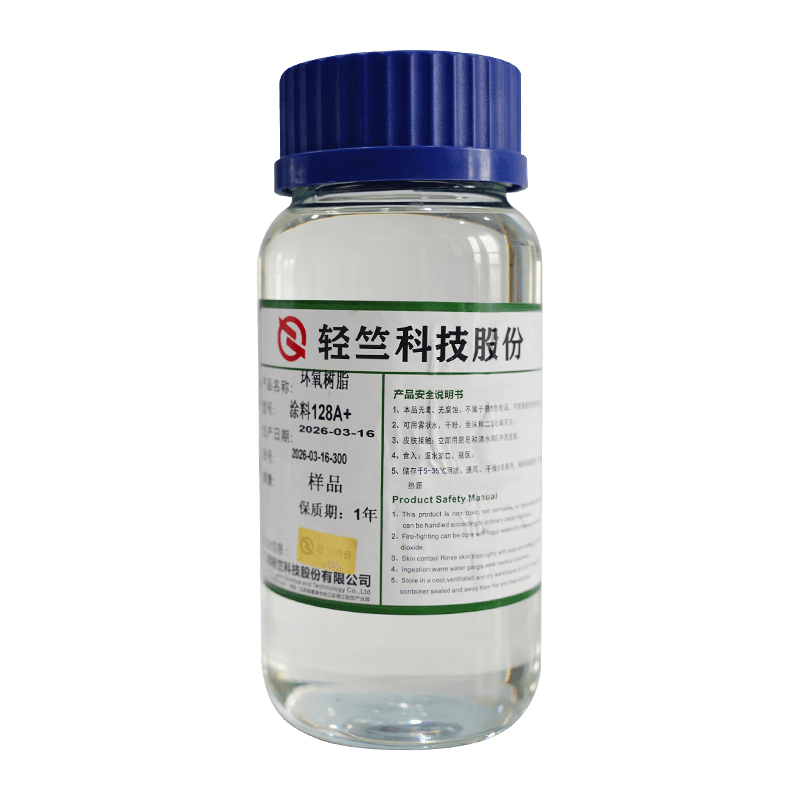
عربى The 128A+ Electronic Grade Liquid Epoxy Resin is a high-purity bisphenol A liquid resin formulated f...
+ VIEW MORE
 Industry News
E-51 128 Series Epoxy Resin: Technical Guide & Applications
Qingzhu Technology – Born for Green, Driven for Tomorrow.
Content
Introduction to E-51 128 Series Epoxy Resin
E-51 128 series epoxy resin represents a high-purity, low-viscosity bisphenol-A type liquid epoxy widely utilized in demanding industrial applications. With an epoxide equivalent weight typically ranging from 185-192 g/eq, this resin offers exceptional clarity, low color, and superior mechanical properties upon curing. The "128" designation often refers to specific manufacturing standards or purity grades that ensure consistent performance in high-tech sectors such as aerospace, electronics, and advanced composites.
Unlike standard industrial grades, the E-51 128 series is characterized by its extremely low hydrolyzable chlorine content (≤ 0.01%) and minimal organic impurities. These features make it the preferred choice for applications requiring high reliability, such as printed circuit board laminates, high-voltage insulation, and precision adhesive bonding where electrical stability and long-term durability are critical.
Technical Specifications and Physical Properties
Understanding the precise technical parameters of E-51 128 series resin is essential for formulation accuracy. The following table outlines the typical properties that distinguish this high-grade resin from standard commercial epoxies:
| Property | Test Method | Typical Value |
|---|---|---|
| Epoxide Equivalent Weight | ASTM D1652 | 185-192 g/eq |
| Viscosity at 25°C | ASTM D445 | 11,000-14,000 mPa·s |
| Color (Gardner) | ASTM D1544 | ≤ 1 (Water White) |
| Hydrolyzable Chlorine | ASTM D1726 | ≤ 0.01% |
| Total Chlorine Content | ASTM D1726 | ≤ 0.05% |
| Specific Gravity | ASTM D1875 | 1.16-1.18 g/cm³ |
The exceptionally low chlorine content is a defining feature of the 128 series. High chlorine levels in standard epoxies can lead to corrosion of metal components in electronic assemblies and reduced thermal stability. By maintaining hydrolyzable chlorine below 0.01%, E-51 128 ensures superior reliability in sensitive applications.
Key Industrial Applications
The unique property profile of E-51 128 series epoxy resin makes it indispensable in several high-value industries. Its combination of low viscosity, high purity, and excellent mechanical strength drives its adoption in specialized sectors.
Electronics and Printed Circuit Boards (PCBs)
In the electronics industry, E-51 128 is a primary raw material for manufacturing copper-clad laminates (CCL) and prepregs. The low viscosity allows for deep penetration into glass fiber bundles, ensuring void-free laminates with consistent dielectric properties. The low chlorine content prevents corrosion of copper traces during humid operation, significantly enhancing the lifespan of electronic devices. Dielectric constants typically remain stable around 3.5-4.0 at 1 MHz, crucial for high-frequency signal integrity.
High-Performance Composites
Aerospace and sporting goods manufacturers utilize E-51 128 for carbon fiber and glass fiber reinforced composites. The resin’s ability to wet out fibers thoroughly results in laminates with tensile strengths exceeding 1000 MPa and flexural moduli of 40-50 GPa. Vacuum infusion and resin transfer molding (RTM) processes benefit from the resin’s moderate viscosity, which facilitates flow without excessive heating.
Precision Adhesives and Potting Compounds
Structural adhesives formulated with E-51 128 achieve lap shear strengths of 25-35 MPa on aluminum and steel substrates. The water-white clarity and low color make it ideal for optical bonding applications where transparency is required. In potting compounds, the resin provides excellent moisture resistance and electrical insulation, protecting sensitive components from environmental stress.
Curing Systems and Reaction Mechanisms
Selecting the appropriate curing agent is critical to unlocking the full potential of E-51 128 epoxy resin. Different hardeners impart distinct thermal, mechanical, and electrical characteristics to the cured network.
Amine Hardeners
Aliphatic amines such as diethylenetriamine (DETA) and triethylenetetramine (TETA) are commonly used for room temperature curing. Stoichiometric ratios typically range from 10-14 phr (parts per hundred resin). These systems offer rapid cure speeds but may exhibit lower heat distortion temperatures (HDT) around 60-80°C. Modified polyamine adducts improve moisture tolerance and reduce exothermic heat generation, making them suitable for thicker castings.
Anhydride Curing Agents
For high-temperature applications, acid anhydrides like methyltetrahydrophthalic anhydride (MTHPA) and hexahydrophthalic anhydride (HHPA) are preferred. These require thermal curing cycles at 120-150°C. Anhydride-cured E-51 128 systems exhibit superior electrical properties, with volume resistivity exceeding 10¹⁵ Ω·cm, and higher glass transition temperatures (Tg) of 120-140°C. This makes them ideal for transformer insulation and high-voltage switchgear.
Phenolic and Novolac Hardeners
In PCB laminate production, phenolic novolac resins act as hardeners. The reaction between the epoxy groups of E-51 128 and the hydroxyl groups of novolacs creates a highly crosslinked network with exceptional thermal stability and flame retardancy. These systems typically cure at high temperatures (170-180°C) and achieve Tg values above 150°C, meeting the rigorous demands of modern electronics.
Processing Guidelines and Best Practices
To ensure optimal performance, proper handling and processing of E-51 128 series resin are essential. Its low viscosity and high reactivity require careful attention to mixing and degassing procedures.
Mixing and Degassing
Due to its low viscosity, E-51 128 mixes easily with hardeners and additives. However, thorough mixing is crucial to avoid localized hot spots during curing. Mechanical stirring at 300-500 rpm for 5-10 minutes is typically sufficient. For void-free castings or laminates, vacuum degassing at 5-10 mmHg for 15-20 minutes removes entrapped air bubbles. Preheating the resin to 40-50°C can further reduce viscosity and facilitate bubble release.
- Use stainless steel or plastic mixing vessels to prevent contamination
- Monitor mixture temperature to prevent premature gelation
- Filter mixtures through 100-mesh screens before application
- Maintain ambient humidity below 60% to prevent amine blushing
Storage and Stability
E-51 128 epoxy resin has a shelf life of 12-24 months when stored in sealed containers at temperatures between 15-25°C. Exposure to moisture should be minimized, as water can react with epoxide groups and affect curing kinetics. Containers should be kept tightly closed when not in use. If crystallization occurs due to low storage temperatures, the resin can be reliquified by heating to 50-60°C without affecting its properties.
Comparison with Standard Epoxy Grades
Understanding how E-51 128 compares to other epoxy grades helps in selecting the right material for specific applications. The following table highlights key differences:
| Property | E-51 128 Series | Standard E-51 | E-20 (Solid) |
|---|---|---|---|
| Epoxide Equivalent (g/eq) | 185-192 | 185-192 | 450-500 |
| Hydrolyzable Chlorine (%) | ≤ 0.01 | ≤ 0.05 | ≤ 0.1 |
| Color (Gardner) | ≤ 1 | ≤ 2 | ≤ 8 |
| Viscosity (mPa·s at 25°C) | 11,000-14,000 | 12,000-15,000 | Solid |
| Primary Application | Electronics/High-Purity | General Industrial | Coatings/Powder |
The E-51 128 series stands out due to its ultra-low chlorine content and superior color clarity. While standard E-51 is suitable for general industrial uses, the 128 series is specifically engineered for applications where purity and electrical reliability are non-negotiable. Solid epoxies like E-20 offer different processing challenges and are typically used in powder coatings or solvent-based systems rather than high-performance laminates.
Safety and Environmental Considerations
Handling E-51 128 epoxy resin requires adherence to safety guidelines to protect workers and the environment. Although the resin itself has low acute toxicity, proper precautions are necessary.
Uncured epoxy resin can cause skin irritation and sensitization with repeated exposure. Workers should wear nitrile gloves, safety glasses, and protective clothing. Adequate ventilation is essential to minimize exposure to any vapors or aerosols, especially during heated processing. In case of skin contact, wash immediately with soap and water; do not use solvents.
Environmental regulations such as REACH and TSCA govern the use of epoxy resins. The low chlorine content of E-51 128 contributes to reduced environmental impact during disposal and incineration. Waste resin should be collected and disposed of according to local hazardous waste regulations. Cured epoxy is generally considered inert and non-hazardous, but recycling programs are increasingly available to recover valuable materials from manufacturing scrap.
The industry is moving towards more sustainable practices, including the development of bio-based hardeners and energy-efficient curing processes. E-51 128’s high reactivity allows for lower curing temperatures in some formulations, reducing energy consumption during manufacturing. By choosing high-purity resins like the 128 series, manufacturers can enhance product longevity and reduce waste associated with premature failure.
Related Product
-
-

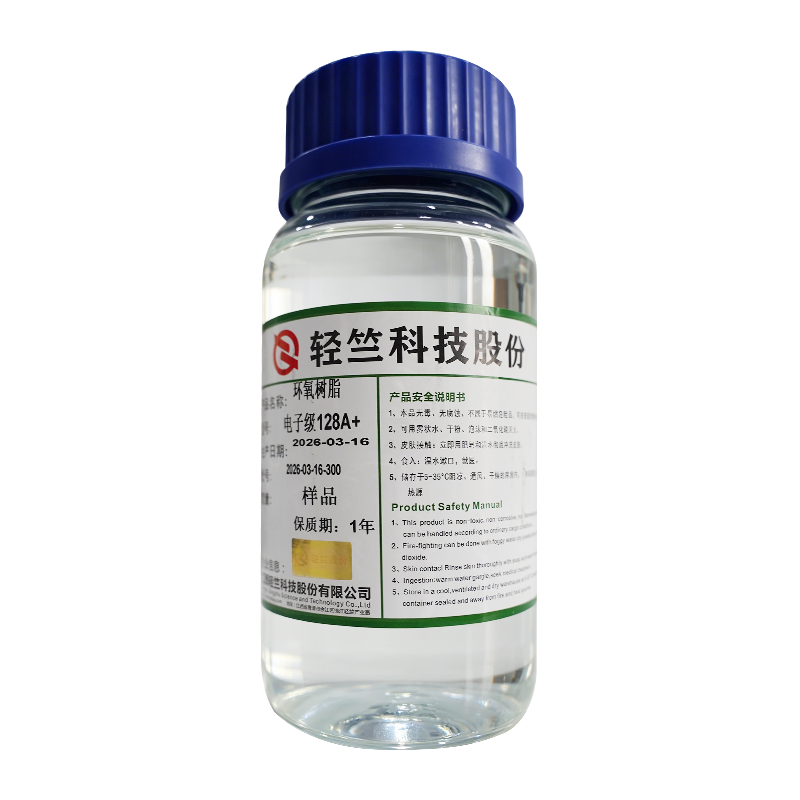
The 128A+ Coating Grade Liquid Epoxy Resin is a bisphenol A liquid resin specifically optimized for ...
+ VIEW MORE -
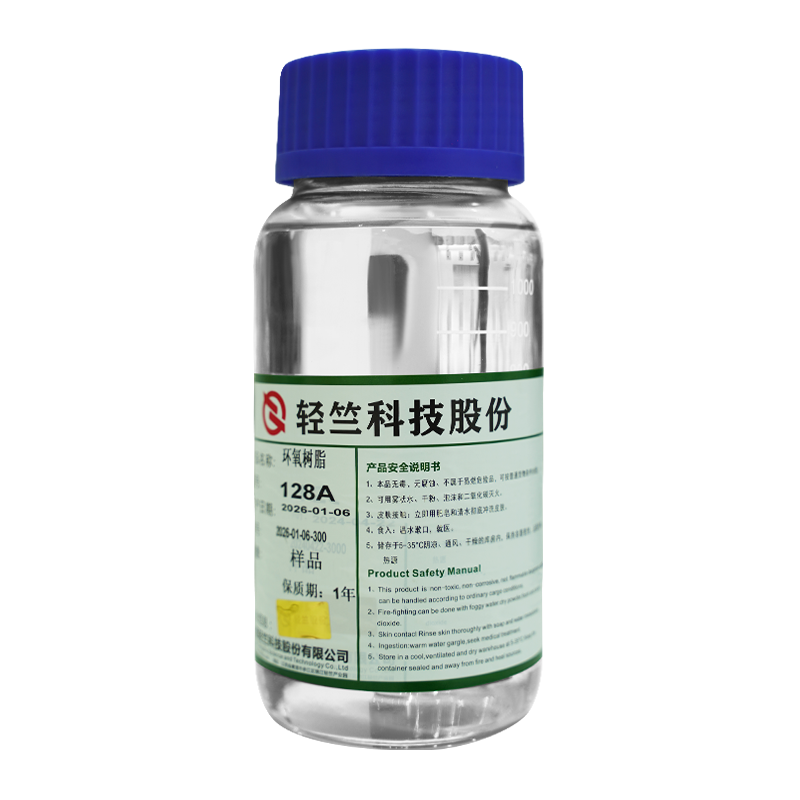
The 128A Standard Grade Liquid Epoxy Resin is a classic bisphenol A liquid resin offering a stable e...
+ VIEW MORE -
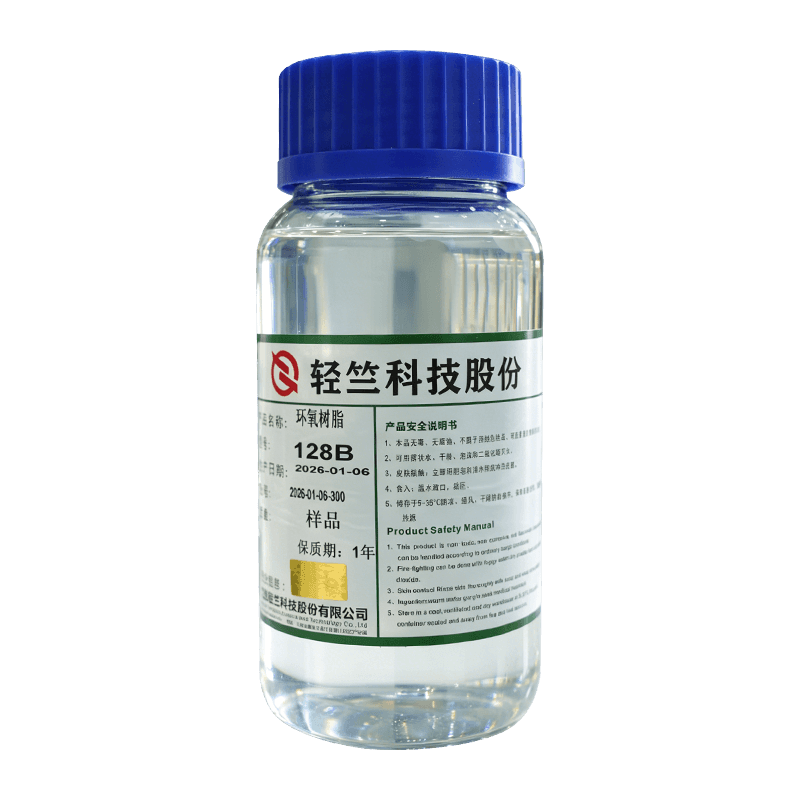
The 128B Low-Viscosity Liquid Epoxy Resin is the lowest-viscosity grade in the 128 Series. While ret...
+ VIEW MORE -
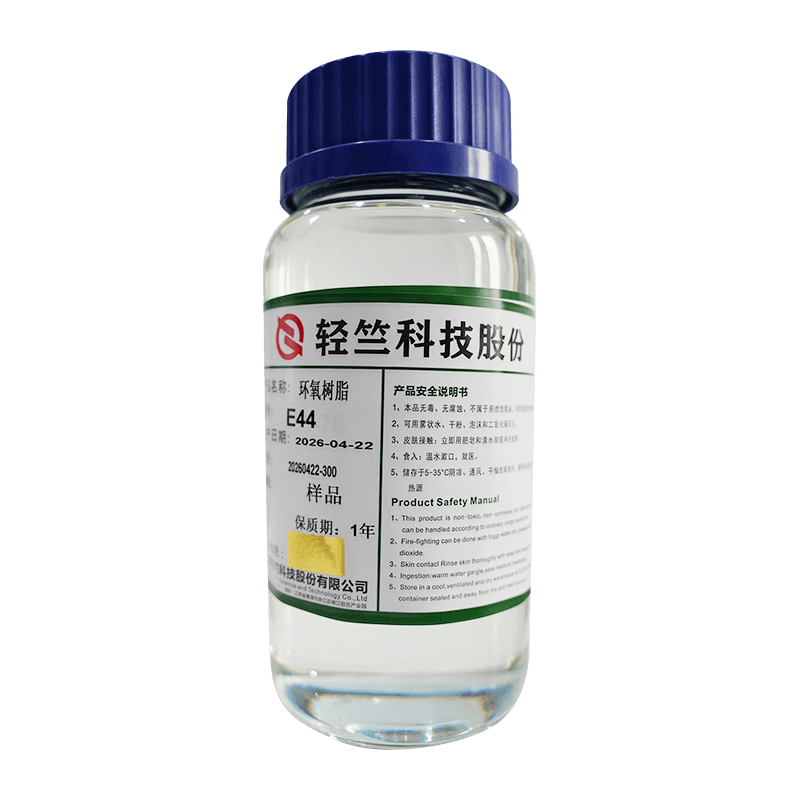
The E44 General-Purpose Liquid Epoxy Resin is one of the most widely used classic liquid epoxy grade...
+ VIEW MORE

Product Categories
Epoxy Resin 128 Series Epoxy Resin 601 Series Epoxy Resin 604 Series E44 General-Purpose Liquid Epoxy Resin E39D Low-Viscosity Transparent Liquid Epoxy Resin 450A80 High-Solids Flexible Liquid Epoxy Resin 901A80 High-Temperature Specialty Liquid Epoxy ResinContact
 [email protected]
 +86-15257130679
 Qingzhu Industrial Park, Yuanqu Avenue, Industrial Park, Yujiang District, Yingtan City, Jiangxi Province, China
