


 English
  русский
  عربى
عربى 
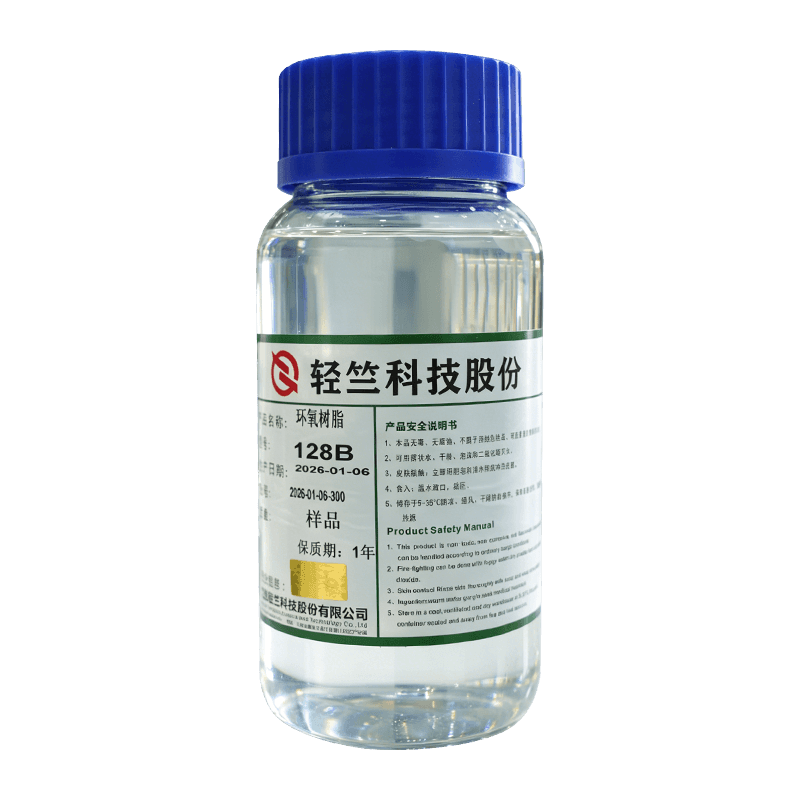
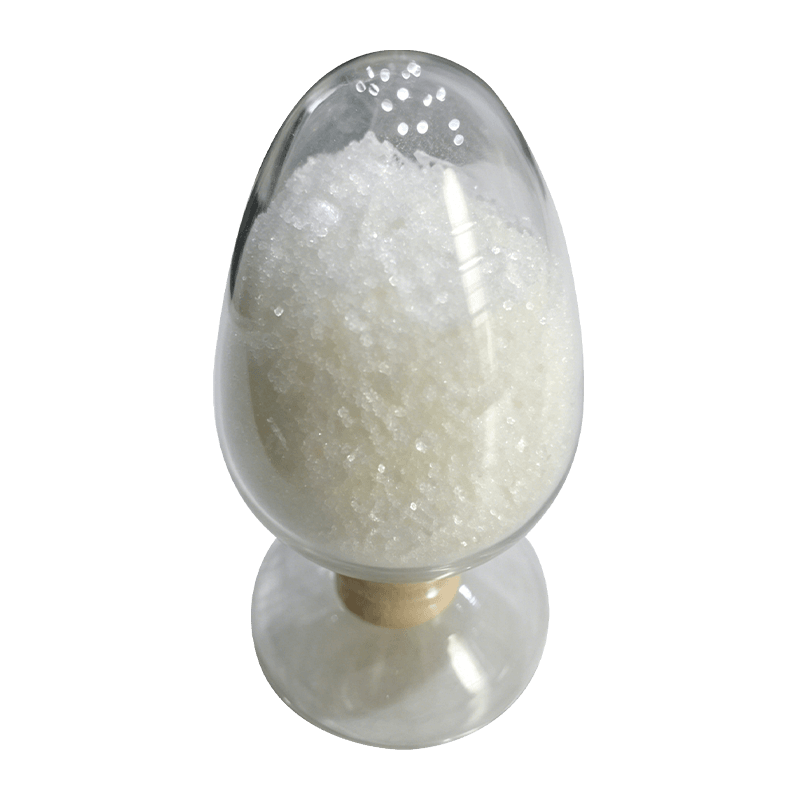
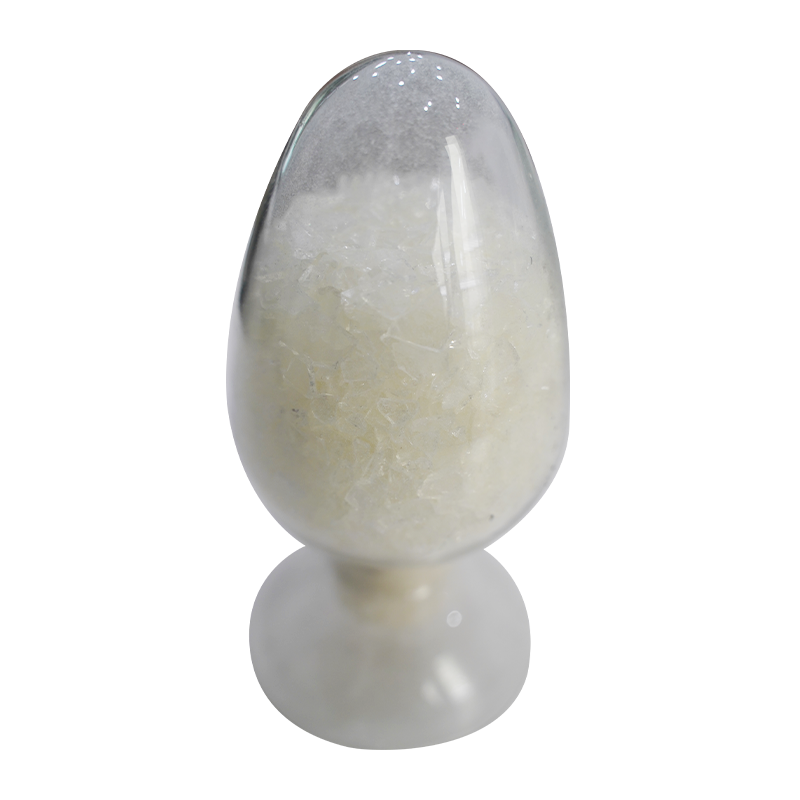
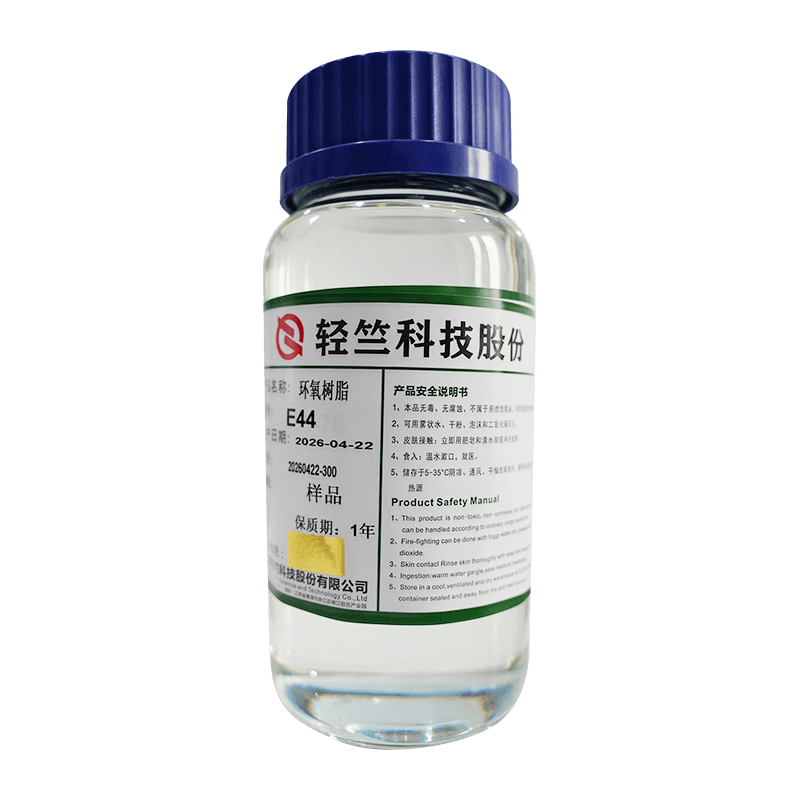
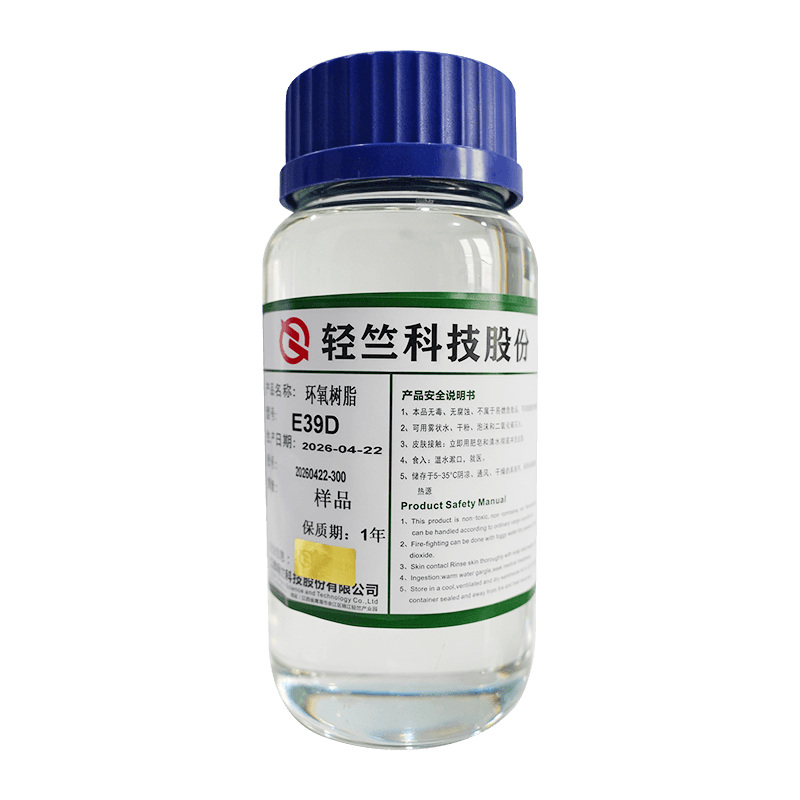
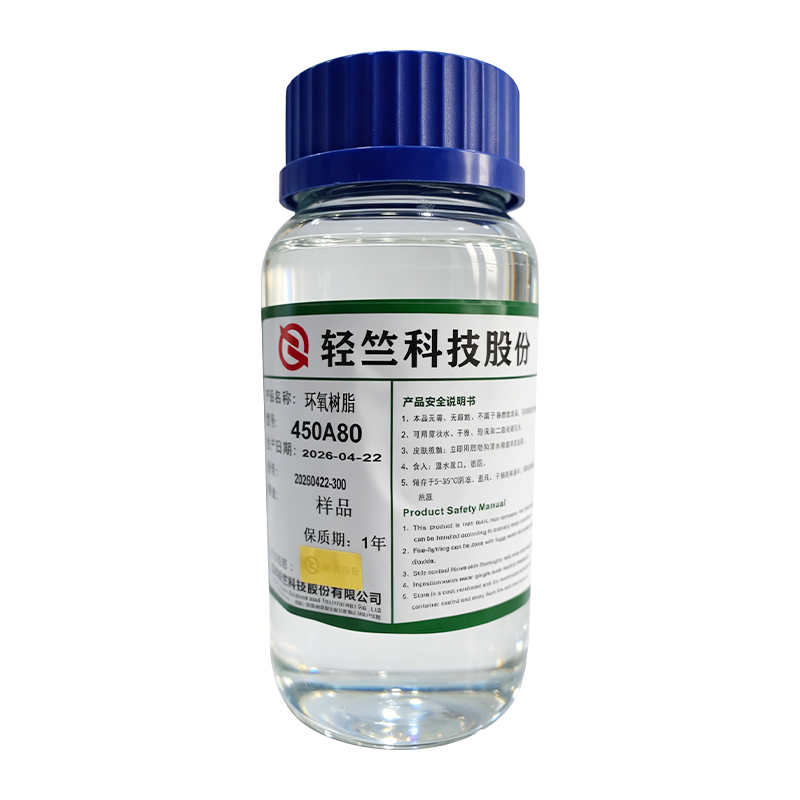


How Electronic-Grade Epoxy Resin Supports Reliable Electronics Encapsulation
Epoxy resin for electronics is expected to perform far beyond simple bonding. In electronic encapsulation and semiconductor packaging, the resin becomes part of the protection system surrounding sensitive components, so its electrical insulation, moisture resistance, thermal stability, dimensional control, and process consistency can directly influence product reliability. For this reason, electronic-grade epoxy resin is normally developed with tighter control over formulation, raw-material purity, curing behavior, and production stability than general-purpose epoxy materials.
Jiangxi Qingzhu Technology Co., Ltd. has made epoxy resin a key area of development after years of work in new materials, packaging barrels, optical lens processing, and resin R&D and production. The company combines automated production facilities, professional technical teams, and continuous investment in R&D to improve the functionality and stability of epoxy resin products. With environmental protection and innovation positioned as important development principles, Qingzhu is working to provide more consistent material solutions for demanding industrial applications, including electronics-related fields.
Why ionic impurities deserve particular attention
In electronic applications, trace ionic contaminants can be more significant than they appear from a conventional mechanical-material perspective. Mobile ions may contribute to electrochemical migration or corrosion under the combined influence of humidity, temperature, voltage, and electric fields. Therefore, when selecting epoxy resin for semiconductor packaging or electronic encapsulation, evaluation should extend beyond viscosity and curing speed to include ionic impurity control, moisture-related behavior, and compatibility with the electronic assembly.
Curing behavior affects both manufacturing and long-term reliability
The curing profile of an Electronic Grade Epoxy Resin determines how easily it can fill a package, how much heat is generated during reaction, and how completely the final network develops. A resin with an excessively rapid reaction may create processing difficulties or localized heat accumulation, while insufficient curing can leave the encapsulant with inadequate mechanical and electrical performance. For high-value electronic components, manufacturers therefore commonly consider gel time, curing temperature, post-curing requirements, exothermic behavior, and final degree of cure together rather than evaluating curing speed as an isolated parameter.
Matching Epoxy Resin For Electronic Encapsulation to Component Requirements
Electronic encapsulation covers a wide range of component structures, from discrete devices and sensors to integrated circuits, power modules, transformers, and other assemblies. The resin formulation should be matched to the component's operating temperature, geometry, substrate materials, required dielectric performance, and manufacturing process. A formulation suitable for one type of package may not automatically provide the same results in another because filler content, coefficient of thermal expansion, curing temperature, and flow requirements can vary substantially.
| Application Consideration | Why It Matters | Typical Evaluation Focus |
|---|---|---|
| Moisture protection | Moisture can reduce insulation reliability and accelerate material degradation. | Water absorption, moisture resistance, package integrity |
| Thermal cycling | Repeated expansion and contraction can generate stress at material interfaces. | CTE, glass transition behavior, adhesion, crack resistance |
| Electrical insulation | The encapsulant must maintain stable insulating performance during service. | Dielectric strength, volume resistivity, dielectric properties |
| Flow and filling | Poor flow can leave voids or incompletely filled areas around delicate structures. | Viscosity, pot life, flow behavior, dispensing compatibility |
Low viscosity is useful, but it is not the only target
A lower-viscosity epoxy resin can improve wetting and penetration into complex structures, but reducing viscosity without considering the complete formulation can create other compromises. Electronic-grade formulations need an appropriate balance between flow, filler loading, curing characteristics, mechanical strength, and final reliability. In practical production, the most useful resin is therefore not necessarily the one with the lowest viscosity, but the one whose rheological behavior remains stable throughout the available processing window.
Coefficient of thermal expansion can become a package-level issue
Electronic components frequently combine materials with different coefficients of thermal expansion, such as silicon, copper, ceramics, metals, organic substrates, and encapsulation compounds. When temperature changes repeatedly, these materials expand and contract at different rates. The resulting stress can contribute to interfacial delamination, cracking, wire-bond damage, or other reliability problems. For epoxy resin for semiconductor packaging, thermal expansion behavior should therefore be assessed together with modulus, glass transition characteristics, adhesion, and the actual package construction.
Process Variables That Can Change Electronic Encapsulation Results
Even a well-designed electronic-grade epoxy resin can produce inconsistent results if the processing conditions are poorly controlled. Resin temperature, mixing ratio, mixing efficiency, storage conditions, dispensing speed, substrate cleanliness, curing temperature, and post-curing conditions can all affect the final encapsulation structure. Production engineers should establish a controlled process window instead of relying solely on nominal resin specifications.
- Control resin and hardener ratios according to the specified formulation rather than adjusting proportions to compensate for short-term processing problems.
- Maintain appropriate material temperature because viscosity and reaction kinetics can change significantly with temperature.
- Minimize moisture and contamination during storage, transfer, mixing, and dispensing, particularly when the application has strict electrical reliability requirements.
- Use an appropriate degassing strategy when the package structure and formulation make trapped air a potential reliability concern.
- Validate the complete curing schedule on the actual component structure because laboratory curing conditions may not reproduce production-scale heat transfer.
Voids should be treated as a process-design problem
Air or gas voids inside an electronic encapsulant can create localized differences in thermal conduction, mechanical stress, and electrical insulation. Their occurrence may be associated with dispensing patterns, trapped air, substrate geometry, resin viscosity, filler distribution, or inadequate degassing. Instead of treating voids only as a resin defect, manufacturers should examine the interaction between material formulation and the entire encapsulation process.
What to Check When Evaluating Epoxy Resin for Electronics
For buyers and technical teams, an effective qualification process should connect material data with the actual application. A technical data sheet provides an initial reference, but production trials and reliability testing are essential before approving an epoxy resin for critical electronic components. The evaluation should cover both immediate processing behavior and performance after environmental exposure.
- Processing: Review viscosity, pot life, gel time, curing temperature, mixing requirements, dispensing characteristics, and storage stability.
- Electrical properties: Examine dielectric strength, insulation resistance, dielectric characteristics, and electrical stability after environmental conditioning.
- Thermal performance: Consider glass transition behavior, thermal stability, thermal conductivity where relevant, and coefficient of thermal expansion.
- Mechanical reliability: Evaluate adhesion, hardness, modulus, crack resistance, and resistance to repeated thermal stress.
- Environmental resistance: Assess moisture resistance, temperature exposure, thermal cycling, and other conditions that represent the component's intended service environment.
- Consistency: Confirm batch-to-batch stability because predictable manufacturing performance is particularly important for high-volume electronics production.
Why Manufacturing Consistency Matters in Electronic-Grade Epoxy Resin
Electronic encapsulation is sensitive to relatively small changes in material and process conditions. Variations in resin viscosity, curing reactivity, impurity levels, filler dispersion, or moisture content can influence dispensing behavior and final package reliability. This makes production control an important part of electronic-grade epoxy resin development rather than a separate consideration.
Qingzhu has invested substantially in production and R&D, including advanced automated workshops and production equipment sourced from domestic and international suppliers. Its development strategy emphasizes continuous improvement of resin functionality and stability while maintaining a focus on environmentally responsible production. This combination of material development, process control, and technical refinement provides a foundation for developing epoxy resin solutions aimed at increasingly demanding application requirements.
A practical supplier qualification approach
When qualifying a supplier of epoxy resin for electronic encapsulation, it is useful to assess more than a single test batch. Technical teams can compare several production lots, review specification control, examine storage and packaging practices, and conduct application-specific trials. Particular attention should be given to whether the supplier can maintain stable material characteristics as production volume increases. For semiconductor packaging and other high-reliability applications, a stable supply system can be as important as achieving a favorable result in an initial laboratory test.
Environmental Considerations in the Development of Epoxy Resin for Electronics
Environmental performance in epoxy resin development should be considered across formulation, manufacturing, packaging, transportation, and application. Reducing unnecessary process emissions, improving material utilization, controlling production waste, and developing more efficient manufacturing processes can contribute to a more responsible materials strategy. At the same time, environmental objectives must be balanced with the electrical, thermal, mechanical, and reliability requirements expected from electronic-grade materials.
Qingzhu places environmental protection at the center of its corporate development and combines this principle with innovation-driven R&D. As the company continues to focus on epoxy resin, its approach is directed toward improving material quality and functionality while supporting cleaner and more efficient production. For electronics manufacturers, this type of long-term material development is valuable because future encapsulation requirements are likely to demand both high reliability and greater attention to sustainable manufacturing practices.
Application-specific development is increasingly important
There is no single epoxy formulation that is optimal for every electronic application. Semiconductor packaging, power electronics, sensors, optical-electronic assemblies, and general electronic encapsulation can impose different requirements on viscosity, thermal performance, electrical insulation, adhesion, curing conditions, and environmental resistance. A more effective development strategy is to define the component's failure risks first and then optimize the epoxy formulation around those risks. This approach can help manufacturers move from generic material selection toward application-specific electronic-grade epoxy resin solutions.


 +86-15257130679
  Qingzhu Industrial Park, Yuanqu Avenue, Industrial Park, Yujiang District, Yingtan City, Jiangxi Province, China