


 English
  русский
  عربى
عربى 
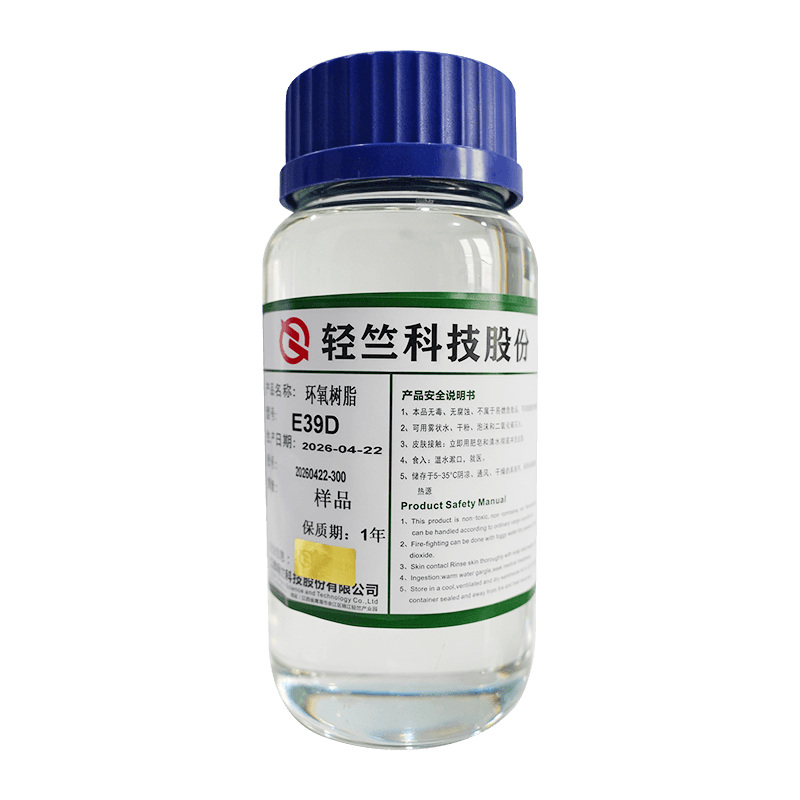
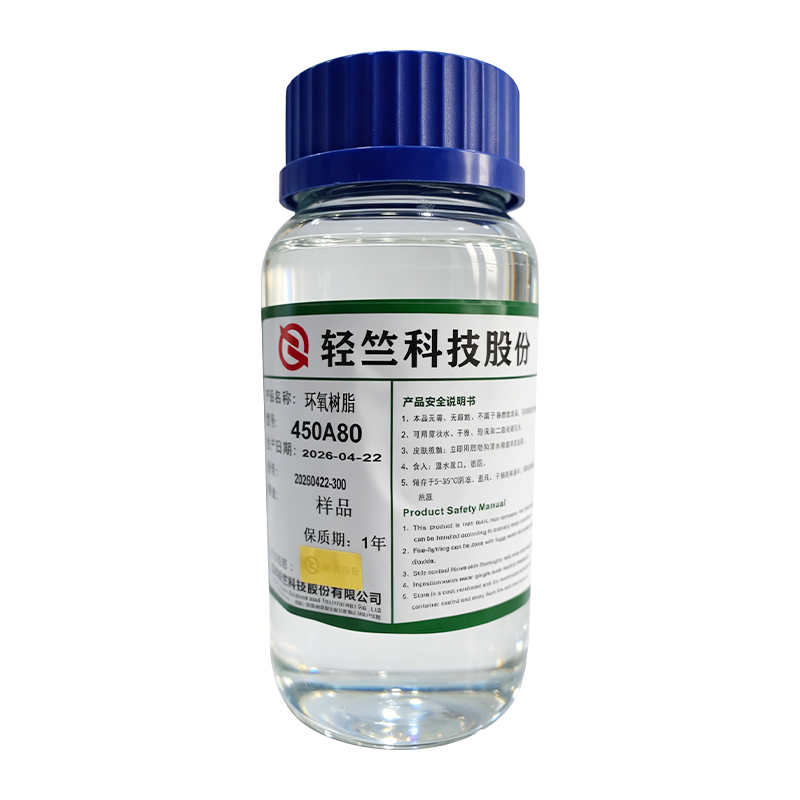

How the Base Resin Influences Epoxy Flooring Performance
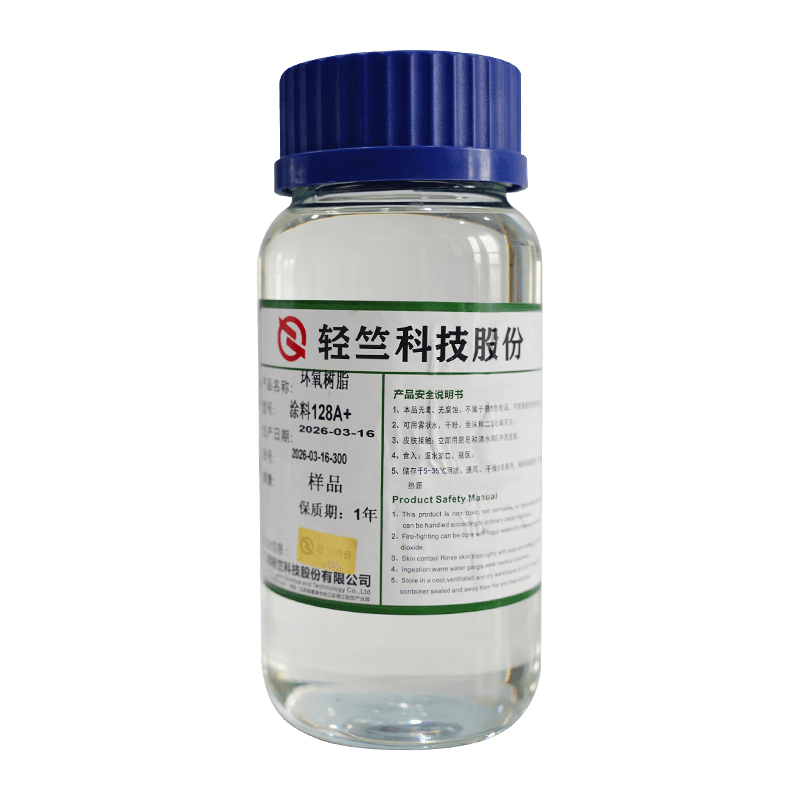
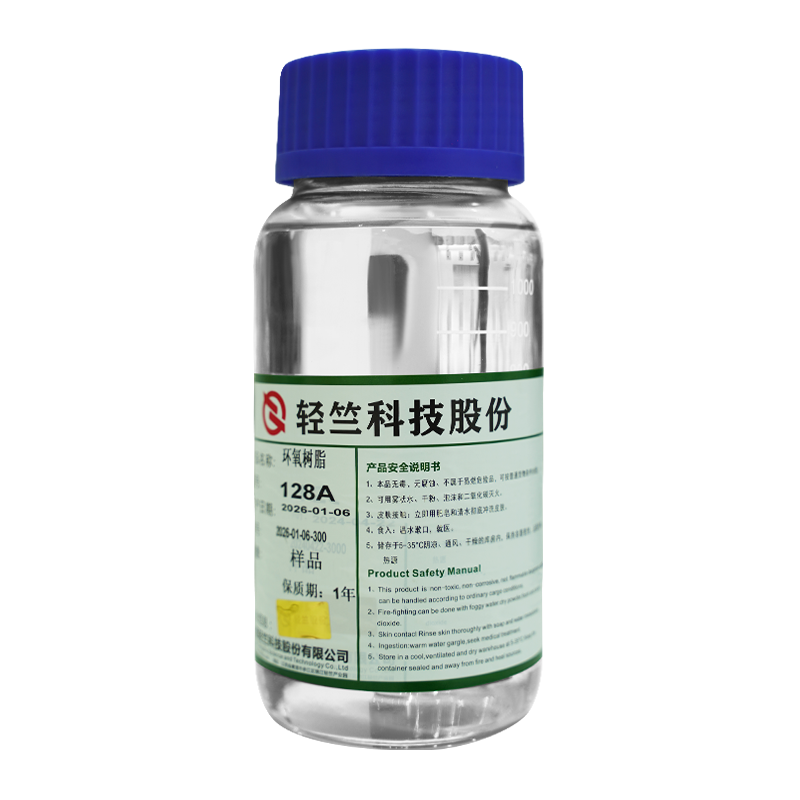
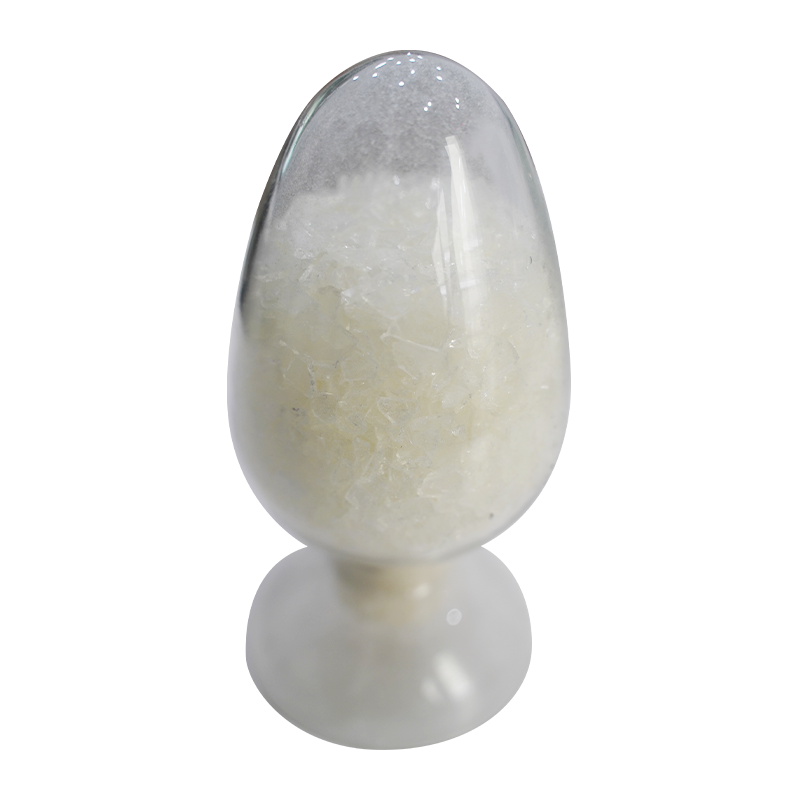
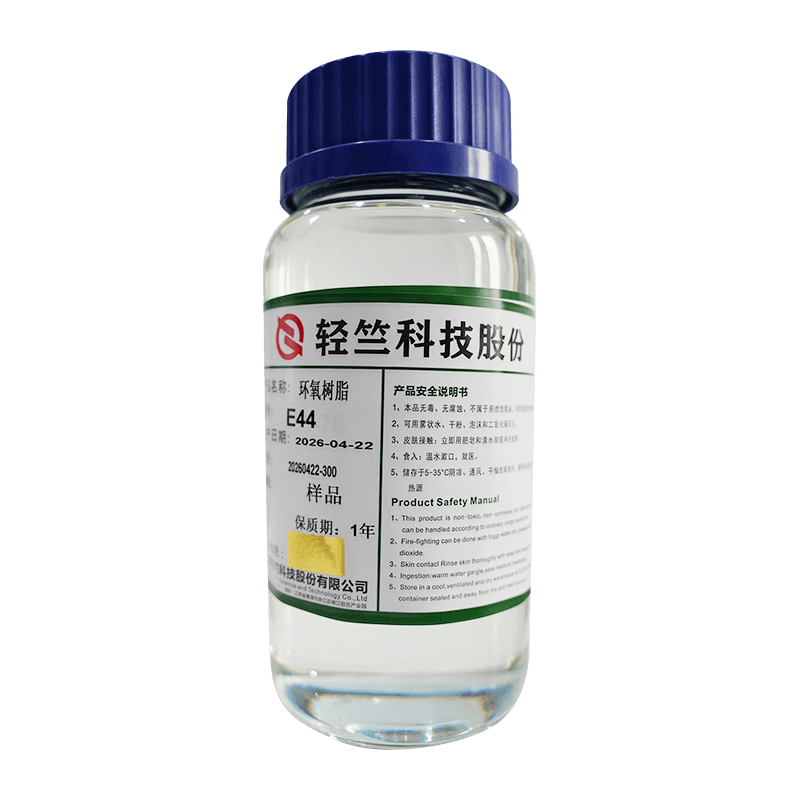
In an epoxy flooring system, the base resin does much more than provide the main binder. Its molecular structure, viscosity, epoxy equivalent weight, reactivity, compatibility with curing agents, and interaction with fillers can directly influence flow, adhesion, hardness, chemical resistance, impact resistance, and final surface appearance. For this reason, selecting a suitable Base Resin for Epoxy Flooring should begin with the requirements of the complete flooring system rather than focusing only on the resin's individual specification.
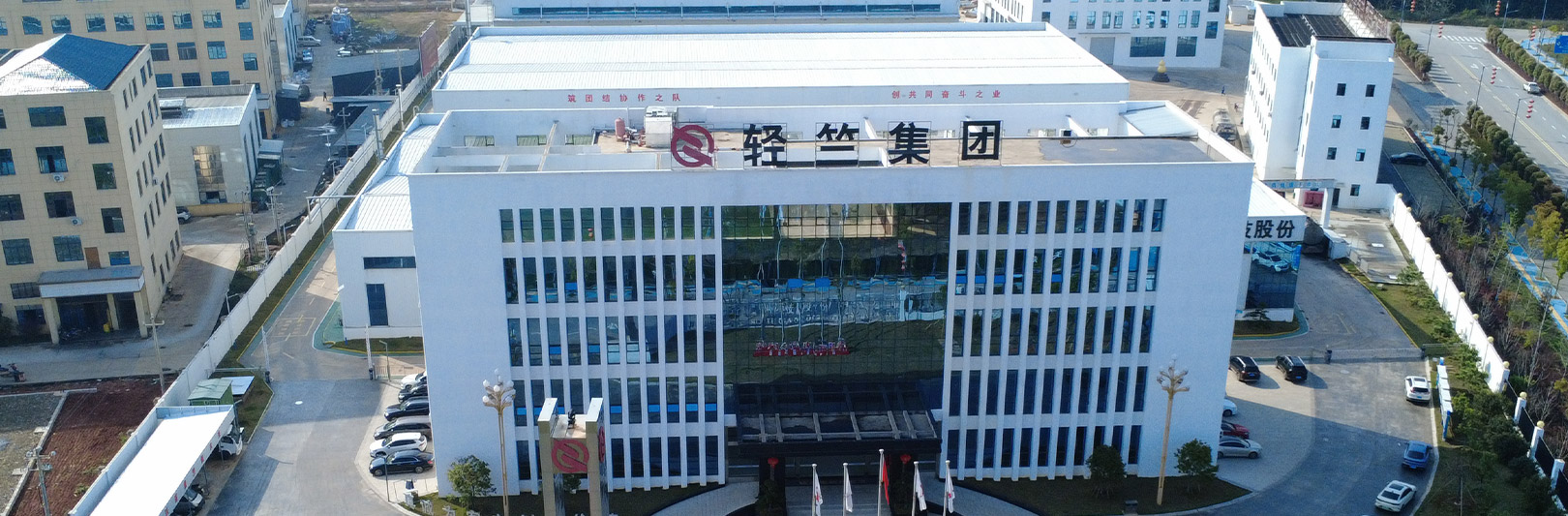
Jiangxi Qingzhu Technology Co., Ltd. has made epoxy resin a key area of R&D and production after years of development in new materials and intelligent manufacturing. Qingzhu is a high-tech enterprise integrating new materials, packaging barrels, optical lens processing, and epoxy resin R&D and production. With continued investment in production and technical development, Jiangxi Qingzhu Technology Co., Ltd. is working to improve the functionality, stability, and consistency of resin products for demanding industrial applications, including Epoxy Resin For Flooring.
Properties That Deserve Particular Attention
- Viscosity affects mixing, wetting, pigment and filler dispersion, application thickness, and surface leveling.
- Epoxy equivalent weight provides an important basis for calculating curing-agent requirements.
- Reactivity influences pot life, curing speed, and the time required before the floor can be placed into service.
- Adhesion characteristics influence bonding to concrete and other properly prepared substrates.
- Color, clarity, and compatibility with pigments can affect the visual consistency of decorative flooring.
Why Self-Leveling Epoxy Resin Requires Careful Viscosity Control
Self Leveling Epoxy Resin must flow sufficiently after application to spread across the substrate and form a relatively smooth surface without excessive manual manipulation. Viscosity that is too high may restrict flow and make it difficult to obtain uniform thickness, while excessively low viscosity can contribute to unwanted flow behavior, segregation, or insufficient film build depending on the complete formulation. The target viscosity therefore needs to be considered together with temperature, filler loading, curing-agent selection, application thickness, and working time.
Temperature is particularly important. Epoxy systems generally become less viscous as temperature increases, but excessive heating can shorten working time and accelerate the curing reaction. Professional flooring formulators therefore need to establish a practical processing window rather than assuming that higher temperature will always improve application performance. Jiangxi Qingzhu Technology Co., Ltd. continues to invest in advanced production equipment and automated workshops to strengthen control over resin production and support more consistent material characteristics.
Factors Affecting Self-Leveling Behavior
- Resin viscosity and temperature determine the initial flow characteristics of the coating.
- Filler particle size and loading can significantly alter flow, leveling, and final surface texture.
- Curing speed determines how long the formulation remains sufficiently fluid to level.
- Substrate temperature can affect both flow and curing, especially on large concrete floors.
- Mixing technique influences air entrapment, filler dispersion, and uniformity before application.
The Relationship Between Concrete Preparation and Epoxy Resin Performance
Even a high-quality Epoxy Resin For Flooring cannot compensate for an unsuitable substrate. Concrete should have adequate strength and be appropriately prepared before resin application. Dust, laitance, grease, curing compounds, loose particles, and other contaminants can interfere with adhesion. Mechanical preparation methods such as grinding or shot blasting may be used where appropriate to remove weak surface layers and create a suitable profile for the coating system.
Moisture is another critical consideration. Excessive moisture or vapor transmission through concrete can create adhesion problems, blistering, or other coating defects depending on the flooring system. Therefore, substrate moisture evaluation and environmental monitoring should be incorporated into the installation process. The resin supplier and flooring contractor should work together to determine whether the selected Base Resin for Epoxy Flooring is suitable for the specific substrate and environmental conditions.
Substrate Conditions Worth Checking
| Condition | Potential Problem | Practical Response |
|---|---|---|
| Dust or weak surface layer | Reduced adhesion | Use appropriate mechanical preparation |
| Oil or grease | Poor wetting and bonding | Remove contamination before coating |
| Excess moisture | Blistering or adhesion failure risk | Evaluate moisture conditions before installation |
| Cracks or uneven areas | Surface defects may transfer to the coating | Repair and level the substrate as required |
Curing Agent Selection for Epoxy Flooring Formulations
The performance of an epoxy flooring system depends on the interaction between the base resin and curing agent. Different curing chemistries can produce different balances of hardness, flexibility, chemical resistance, heat resistance, working time, and low-temperature curing capability. For self-leveling systems, the curing profile is especially important because the material must remain workable long enough to flow and release entrapped air before the crosslinking reaction substantially reduces mobility.
Formulators should calculate the curing-agent dosage according to the epoxy equivalent weight of the selected resin and the relevant equivalent value of the curing agent. Simply increasing the curing-agent amount to accelerate hardening can create undesirable effects, including reduced flexibility, incomplete reaction of one component, surface problems, or changes in chemical resistance. For products based on Self Leveling Epoxy Resin, small-scale trials are recommended before establishing a commercial production formula.
Formulation Variables and Their Effects
- Resin-to-curing-agent ratio affects crosslink density and overall cured-film properties.
- Accelerators can change curing speed and working time and should be evaluated carefully.
- Reactive diluents can modify viscosity and processing behavior but may also influence final mechanical and chemical performance.
- Pigments and fillers can change rheology, surface appearance, hardness, and cost.
How Fillers Change the Behavior of Epoxy Resin for Flooring
Fillers are frequently used in epoxy flooring formulations to adjust viscosity, mechanical properties, wear resistance, cost, thermal behavior, and surface appearance. However, filler selection should be treated as a formulation engineering decision rather than simply a method of reducing resin consumption. Particle size distribution, surface treatment, moisture content, density, loading level, and compatibility with the resin system can all affect the final floor.
In self-leveling systems, excessive filler loading can reduce flow and make it more difficult for the coating to level, while insufficient loading may produce excessive shrinkage or inadequate mechanical characteristics for certain applications. The Base Resin for Epoxy Flooring should therefore be evaluated together with the complete filler package. Jiangxi Qingzhu Technology Co., Ltd. focuses on R&D and product optimization to help improve the stability and functionality of epoxy resin materials used in different formulation environments.
Filler Selection Considerations
- Particle size affects packing efficiency, viscosity, surface smoothness, and sedimentation behavior.
- Moisture in mineral fillers can interfere with processing and should be controlled.
- Surface-treated fillers may provide better compatibility with particular resin systems.
- The final filler combination should be validated for the required wear, impact, and chemical resistance.
Controlling Air Entrapment in Self-Leveling Epoxy Resin
Air entrapment is a common practical concern in thick epoxy flooring applications. Air can enter the formulation during high-speed mixing, filler incorporation, transfer, or application. If the material begins to cure before trapped air can escape, pinholes, craters, bubbles, or surface imperfections may remain in the finished floor. A suitable Self Leveling Epoxy Resin formulation should therefore be evaluated not only for flow but also for its ability to release entrapped air during the available working period.
Mixing equipment, mixing speed, batch size, temperature, viscosity, defoamer selection, and application thickness can all influence air release. Excessive mechanical mixing may introduce more air, while insufficient mixing can produce poor dispersion. Jiangxi Qingzhu Technology Co., Ltd. has established fully automated advanced workshops and invested in production and R&D equipment from domestic and international sources, supporting its ongoing effort to improve resin stability and manufacturing consistency.
Ways to Reduce Air-Related Surface Defects
- Use controlled mixing speeds appropriate for the formulation and equipment.
- Avoid unnecessary turbulence during material transfer and application.
- Select defoaming additives compatible with the resin and curing system.
- Maintain an appropriate working time so that the coating can release air before substantial curing occurs.
- Use suitable application tools and techniques for the specified coating thickness.
Chemical and Mechanical Performance of Epoxy Flooring
Different flooring environments require different performance priorities. Warehouses may emphasize abrasion resistance and mechanical durability, industrial workshops may require resistance to oils and chemicals, laboratories may require chemical resistance and easy cleaning, while commercial or decorative areas may prioritize appearance and color retention. The formulation of Epoxy Resin For Flooring should therefore be adjusted according to the expected service environment rather than using one universal recipe.
The cured resin network, filler system, curing-agent chemistry, pigment package, coating thickness, and substrate preparation all contribute to final performance. A high-quality base resin can provide a strong foundation, but the final flooring system must be engineered as a complete combination of materials and processing steps. Jiangxi Qingzhu Technology Co., Ltd. emphasizes product functionality and stability while continuing to develop improved epoxy resin variants for different industrial requirements.
Matching Flooring Properties to Applications
| Application Environment | Important Properties | Formulation Focus |
|---|---|---|
| Warehouse | Abrasion and impact resistance | Durable resin and optimized filler system |
| Industrial workshop | Chemical and mechanical resistance | Appropriate curing system and crosslink density |
| Commercial area | Appearance and cleanability | Color consistency and smooth surface development |
| Heavy-duty area | Wear, impact, and chemical resistance | High-performance resin and reinforcement strategy |
Environmental Considerations in Epoxy Resin Manufacturing
Environmental responsibility in epoxy resin production involves the entire manufacturing process, including raw-material utilization, energy consumption, process efficiency, emissions management, waste reduction, packaging, and production automation. For customers evaluating a supplier, these factors can provide useful insight into the long-term reliability and development direction of the manufacturer.
Environmental protection has been a core principle of Jiangxi Qingzhu Technology Co., Ltd. since its establishment. Qingzhu uses innovation-driven R&D to develop environmentally friendly products and has continued to invest in advanced production facilities. The company has subsidiaries with annual turnover exceeding RMB 1 billion and is experiencing rapid growth, while its epoxy resin business has become an important strategic focus. Jiangxi Qingzhu Technology Co., Ltd. aims to improve resin functionality and stability while maintaining a green and pollution-conscious manufacturing philosophy.
What Buyers Can Evaluate Beyond Product Data
- Production automation and process-control capabilities.
- R&D investment and the ability to optimize resin grades for specific applications.
- Batch-to-batch quality consistency and technical documentation.
- Technical support for formulation development and application testing.
- The manufacturer's commitment to efficient and environmentally responsible production.
Choosing a Base Resin for Epoxy Flooring Through Application Testing
Laboratory data provides an essential starting point, but application testing is necessary before a Base Resin for Epoxy Flooring is adopted for large-scale production. A practical evaluation should reproduce important variables such as mixing equipment, filler loading, curing-agent ratio, application thickness, substrate condition, ambient temperature, and curing schedule. This approach helps reveal whether the resin behaves consistently under actual flooring conditions.
Jiangxi Qingzhu Technology Co., Ltd. has assembled a professional team and invested substantially in R&D and production to improve and innovate existing products. This development model is valuable for epoxy flooring customers who need materials that can be evaluated according to real processing requirements rather than only general specifications. For Epoxy Resin For Flooring and Self Leveling Epoxy Resin, the most useful supplier relationship is one that combines stable material quality with technical understanding and continuous product improvement.
A Practical Evaluation Checklist
- Confirm resin viscosity and epoxy equivalent weight against the intended formulation.
- Test flow, leveling, and air-release behavior at the intended application temperature.
- Evaluate adhesion on representative concrete substrates after appropriate surface preparation.
- Measure curing time and verify hardness, abrasion resistance, chemical resistance, and other required properties.
- Compare multiple production batches to verify material consistency before commercial adoption.
Qingzhu's Continued Focus on Flooring Resin Development
Jiangxi Qingzhu Technology Co., Ltd. has developed from a company focused on intelligent and environmentally friendly products into a high-tech enterprise with capabilities spanning new materials, packaging barrels, optical lens processing, and epoxy resin R&D and manufacturing. After years of refinement, Qingzhu has identified epoxy resin as a key area for continued investment, with the objective of improving resin quality, stability, and application performance.
For Epoxy Resin For Flooring, Self Leveling Epoxy Resin, and Base Resin for Epoxy Flooring, material quality must be considered together with curing chemistry, filler selection, substrate preparation, temperature control, mixing, application, and curing. Jiangxi Qingzhu Technology Co., Ltd. combines advanced production equipment from domestic and international sources, fully automated workshops, substantial R&D investment, and a professional technical team to support this development. By maintaining its commitment to integrity, quality, innovation, and environmental protection, Jiangxi Qingzhu Technology Co., Ltd. continues to pursue improved epoxy resin solutions for modern flooring and other demanding industrial applications.


 +86-15257130679
  Qingzhu Industrial Park, Yuanqu Avenue, Industrial Park, Yujiang District, Yingtan City, Jiangxi Province, China