


 English
  русский
  عربى
عربى 
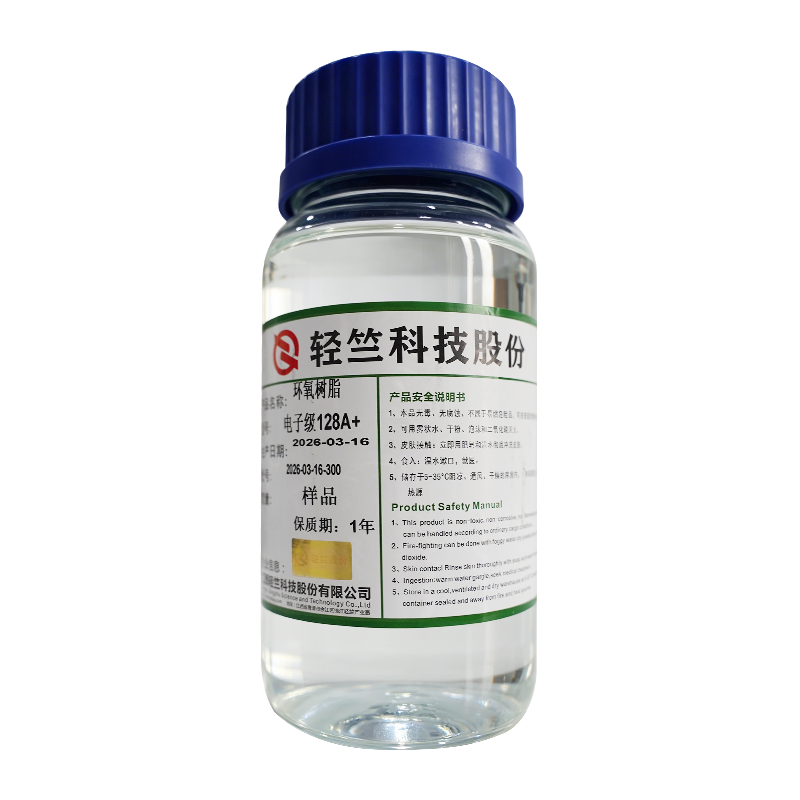
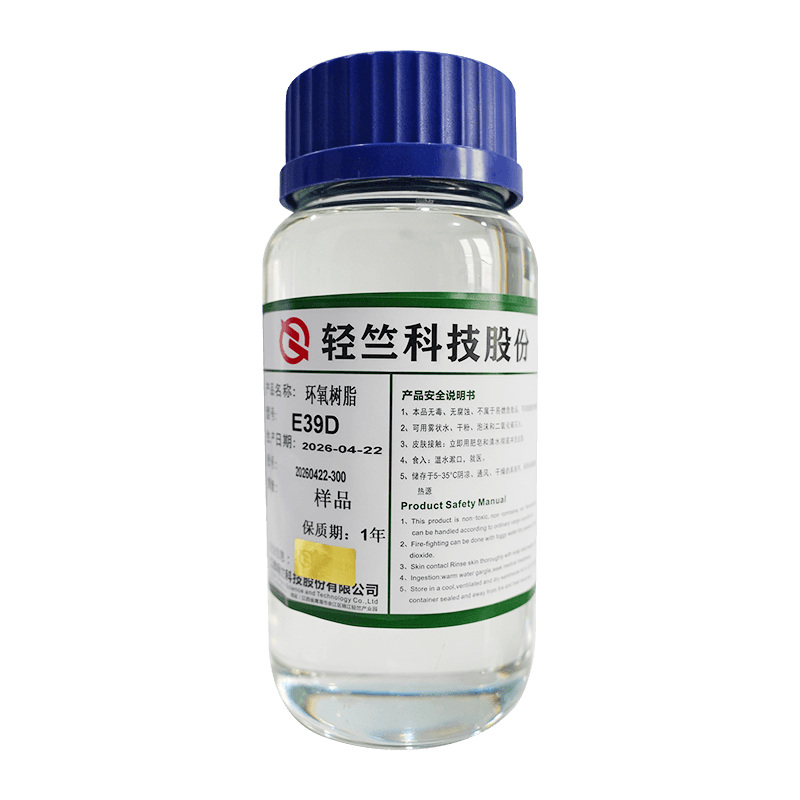
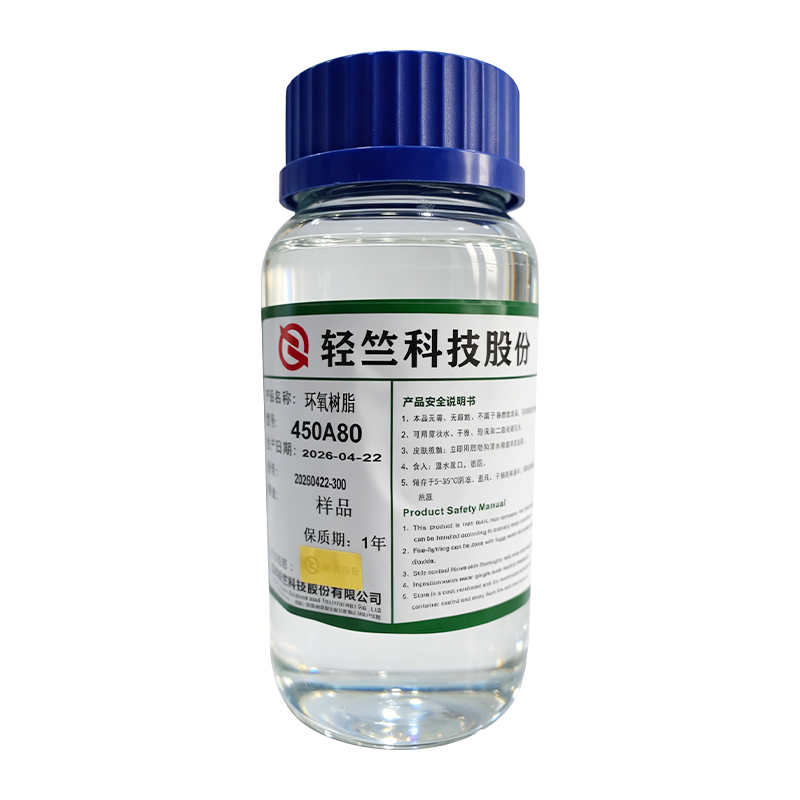

How Epoxy Resin Performance Affects Composite Manufacturing
In advanced composite manufacturing, the resin is not simply a material used to hold reinforcement fibers together. Its viscosity, wetting ability, curing behavior, toughness, thermal stability, and compatibility with reinforcement materials can directly influence laminate quality and finished-product performance. When selecting Epoxy Resin For Composites, manufacturers should therefore evaluate the resin according to the complete processing method, fiber architecture, required mechanical properties, and service environment rather than relying on a single specification.
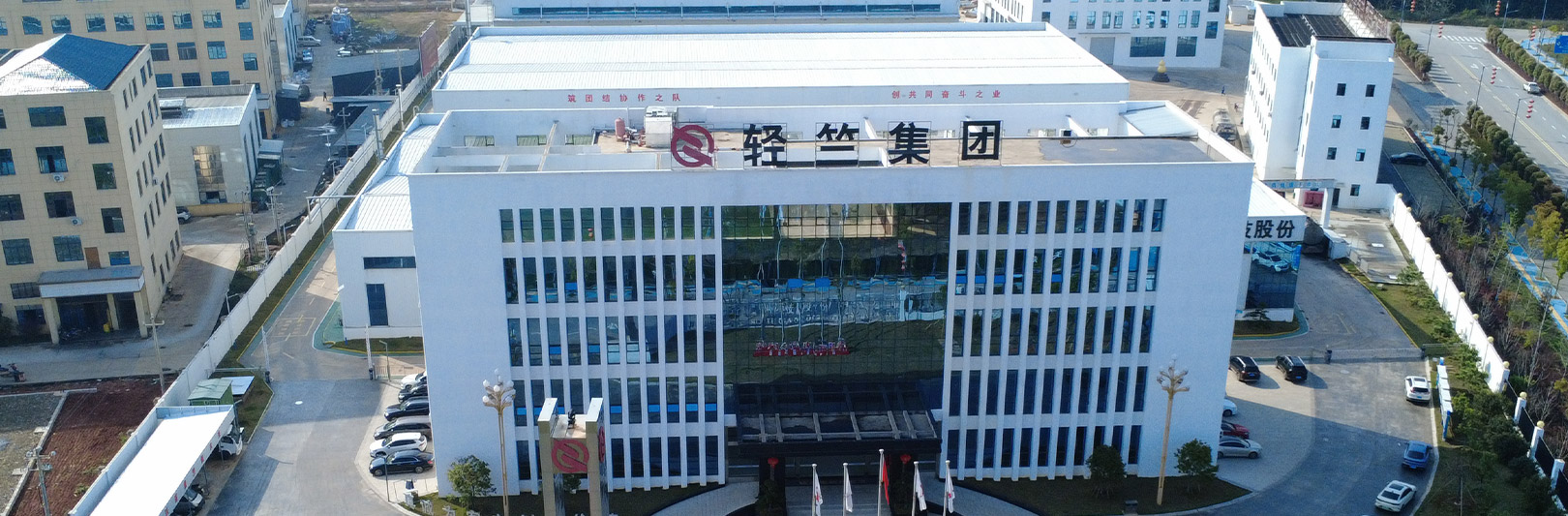
Jiangxi Qingzhu Technology Co., Ltd. has made epoxy resin a key area of R&D and production after years of development in new materials and intelligent manufacturing. Qingzhu has grown into a high-tech enterprise integrating new materials, packaging barrels, optical lens processing, and the R&D and production of epoxy resin. This diversified industrial background gives Jiangxi Qingzhu Technology Co., Ltd. a broader manufacturing foundation for continuously improving resin functionality, stability, and processing consistency.
Properties That Matter in Composite Resin Selection
- Viscosity affects fiber wet-out, impregnation speed, resin distribution, and the ability to manufacture void-reduced laminates.
- Wetting characteristics determine how effectively the resin contacts and penetrates the reinforcement structure.
- Curing kinetics influence working time, demolding time, productivity, and final crosslink development.
- Toughness can be important where the composite must withstand impact, vibration, or repeated mechanical loading.
- Thermal and chemical resistance should be matched to the actual service environment of the composite component.
Why Fiber Wet-Out Is Critical for Epoxy Resin For Carbon Fiber
Carbon fiber composites can achieve excellent strength-to-weight performance, but the reinforcement can only deliver its potential when the resin effectively surrounds the individual filaments and forms a strong interface. Epoxy Resin For Carbon Fiber therefore needs suitable flow and wetting characteristics. If the resin is too viscous, complete impregnation may become difficult, especially in tightly packed fabrics or high-fiber-volume laminates. Poor wet-out can leave dry areas or voids that reduce mechanical reliability.
Processing temperature can be used to adjust resin flow, but temperature must be balanced against working time and curing kinetics. Raising the temperature may reduce viscosity and improve impregnation, while simultaneously accelerating the reaction between resin and curing agent. Jiangxi Qingzhu Technology Co., Ltd. focuses on improving resin quality and stability through continued R&D and advanced production technologies, providing a technical foundation for developing epoxy materials suitable for demanding composite processing conditions.
Common Wet-Out Problems
- High resin viscosity can restrict penetration into dense carbon-fiber fabrics.
- Insufficient mixing can create uneven resin distribution or localized differences in curing behavior.
- Excessive resin content can increase component weight and reduce the intended fiber-volume fraction.
- Insufficient resin content can create dry fibers, poor interlaminar bonding, and increased void risk.
Choosing Epoxy Resin For Fiberglass According to Fiber Architecture
Fiberglass reinforcement is available in many forms, including woven fabrics, unidirectional fabrics, chopped strands, mats, and other engineered structures. Each reinforcement architecture creates different requirements for resin flow and impregnation. Epoxy Resin For Fiberglass should therefore be selected according to the fiber format, laminate thickness, processing method, and desired resin-to-fiber ratio.
For woven fiberglass, the resin must penetrate the fabric structure while maintaining sufficient working time for consolidation. For thicker laminates, heat generation during curing becomes more important because epoxy reactions can be exothermic. For thin laminates or infusion processes, resin viscosity and permeability become particularly important. Jiangxi Qingzhu Technology Co., Ltd. continues to focus on epoxy resin R&D with the objective of developing more stable and application-oriented materials for different composite manufacturing requirements.
Fiber Architecture and Resin Requirements
| Reinforcement Type | Important Resin Characteristic | Processing Focus |
|---|---|---|
| Woven carbon fiber | Controlled viscosity and good wetting | Complete fabric impregnation |
| Unidirectional fiber | Stable flow and good interfacial bonding | Maintain fiber alignment and uniform impregnation |
| Fiberglass fabric | Good wet-out and workable pot life | Consolidation and resin distribution |
| Thick laminate | Controlled curing and heat management | Control exotherm and cure development |
The Role of the Resin-Fiber Interface
The interface between epoxy resin and reinforcement is critical because mechanical loads must transfer effectively from the polymer matrix to the fibers. A composite can contain high-performance carbon or fiberglass reinforcement but still exhibit poor mechanical performance if the resin does not adequately wet the fibers or if the interfacial bond is insufficient. Epoxy Resin For Fiberglass and Epoxy Resin For Carbon Fiber should therefore be assessed for compatibility with the specific reinforcement and its surface treatment.
Fiber manufacturers may apply sizing or surface treatments designed to improve compatibility with particular matrix systems. Composite formulators should consider this when changing either the resin or the reinforcement supplier. Jiangxi Qingzhu Technology Co., Ltd. focuses on R&D and product improvement to enhance the functionality and stability of its epoxy resin products, while customers should still conduct compatibility testing with their selected carbon fiber, fiberglass, and processing system.
Interface Evaluation Considerations
- Confirm that the resin provides adequate wetting of the selected fiber surface.
- Evaluate interlaminar strength when changing resin or fiber suppliers.
- Consider the compatibility between fiber sizing and the selected epoxy system.
- Test durability after exposure to heat, moisture, chemicals, or repeated mechanical loading when relevant.
Managing Cure Exotherm in Thick Composite Parts
Epoxy curing is an exothermic chemical reaction, meaning that heat is generated as crosslinking proceeds. In thin laminates, this heat may dissipate relatively easily, but thick composite structures can accumulate significant internal heat. Excessive temperature can accelerate the reaction further and potentially create uneven curing, internal stress, dimensional distortion, or other defects. The selection of Epoxy Resin For Composites should therefore consider not only the final cured properties but also the heat-generation characteristics of the complete resin and curing-agent system.
A controlled cure schedule can help manage this risk. Manufacturers may use staged heating, controlled ramp rates, intermediate holds, or other process strategies depending on the resin system and component geometry. Jiangxi Qingzhu Technology Co., Ltd. has invested substantially in production and R&D and assembled a professional team dedicated to improving existing products, supporting continued development of epoxy materials with greater processing stability.
Factors Affecting Internal Heat Generation
- Part thickness and total resin volume influence the ability of heat to dissipate.
- Resin and curing-agent reactivity affects the rate at which heat is generated.
- Ambient and mold temperature influence both initial viscosity and cure kinetics.
- Cure schedule and heating rate should be matched to the component's thickness and geometry.
Reducing Voids in Epoxy Resin For Composites
Voids are unwanted regions containing air or other gases within a composite laminate. They can reduce mechanical strength, interfere with load transfer, and create locations where damage may initiate. Void formation can originate from insufficient vacuum, poor consolidation, excessive mixing air, inadequate resin flow, moisture, or unsuitable processing conditions. Selecting an appropriate Epoxy Resin For Composites is one part of the solution, but manufacturing controls are equally important.
Resin degassing, controlled mixing, appropriate vacuum management, proper fiber placement, and adequate consolidation can help reduce void formation. The exact process should be validated according to the component design and manufacturing method. Jiangxi Qingzhu Technology Co., Ltd. places strong emphasis on production stability and quality improvement, supported by advanced equipment, automated workshops, and ongoing R&D investment.
Practical Void-Control Measures
- Control resin temperature to maintain predictable viscosity during impregnation.
- Avoid excessive mixing speeds that can introduce unnecessary air into the formulation.
- Use appropriate degassing procedures when required by the formulation and process.
- Maintain stable vacuum and consolidation conditions during infusion or vacuum-assisted processes.
- Protect reinforcement and resin from excessive moisture before processing.
Comparing Epoxy Resin for Carbon Fiber and Fiberglass Applications
Although both carbon fiber and fiberglass can be combined with epoxy resin, their different physical characteristics and typical application requirements can lead to different formulation priorities. Carbon fiber composites are often designed around high stiffness, low weight, and structural efficiency, while fiberglass composites may emphasize cost efficiency, impact resistance, corrosion resistance, electrical properties, or ease of processing. The same resin may potentially be used across multiple reinforcement types, but the formulation and process should always be validated for the intended application.
Jiangxi Qingzhu Technology Co., Ltd. recognizes the importance of application-oriented resin development. The company has made substantial investments in production and R&D, introduced advanced equipment from both domestic and international sources, and built fully automated workshops. These capabilities support Qingzhu's ongoing work to improve epoxy resin products and provide more stable material solutions for different composite manufacturing requirements.
Application Comparison
| Application | Typical Priority | Resin Evaluation Focus |
|---|---|---|
| Carbon fiber structural parts | High strength-to-weight performance | Wetting, interfacial bonding, toughness, and cure stability |
| Fiberglass components | Balanced performance and processability | Flow, wet-out, adhesion, and curing behavior |
| Infused composite structures | Complete impregnation | Low and stable viscosity with adequate pot life |
| Thick laminates | Controlled curing | Exotherm control and cure schedule |
Environmental Considerations in Modern Epoxy Resin Manufacturing
Environmental performance in composite-material production should be considered across the manufacturing process rather than only by looking at the final product. Raw-material utilization, production efficiency, energy consumption, waste management, process emissions, packaging, and equipment automation can all contribute to the environmental profile of a resin manufacturer. These factors are becoming increasingly relevant to industrial customers seeking reliable long-term material suppliers.
Jiangxi Qingzhu Technology Co., Ltd. places environmental protection at the core of its development philosophy and uses innovation-driven R&D as a means of developing new environmentally friendly products. Qingzhu owns subsidiaries with annual turnover exceeding RMB 1 billion and is experiencing rapid growth. At the same time, Jiangxi Qingzhu Technology Co., Ltd. continues to strengthen its epoxy resin capabilities, seeking to improve product functionality and stability while maintaining its commitment to green and pollution-conscious manufacturing.
What Buyers Can Consider When Evaluating a Resin Supplier
- R&D capability and the ability to optimize resin grades for specific composite processes.
- Production automation and process-control capability for consistent batch quality.
- Technical documentation covering viscosity, equivalent weight, curing behavior, and storage requirements.
- Technical support for compatibility testing with carbon fiber, fiberglass, and other reinforcement materials.
- A demonstrated commitment to efficient production and environmentally responsible manufacturing.
Application Testing Before Large-Scale Composite Production
Laboratory specifications are valuable for screening materials, but composite manufacturers should perform application-specific trials before adopting a new resin at production scale. A meaningful trial should reproduce the intended fiber type, fabric architecture, resin-to-fiber ratio, mixing method, processing temperature, curing schedule, and consolidation method. This makes it easier to identify potential issues with wet-out, flow, pot life, void formation, cure development, and final mechanical properties.
For Epoxy Resin For Composites, this application-based approach can help manufacturers avoid unexpected changes when moving from laboratory samples to full-size components. Jiangxi Qingzhu Technology Co., Ltd. has assembled a professional team and invested substantially in R&D and production to improve and innovate existing epoxy resin products. The company's development strategy emphasizes not only product quality but also the stability and functionality required for practical industrial processing.
A Practical Composite Resin Evaluation
- Confirm resin viscosity at the actual processing temperature.
- Evaluate wet-out and impregnation using the intended carbon fiber or fiberglass reinforcement.
- Measure working time and verify that it matches the production cycle.
- Check void content, fiber distribution, interlaminar bonding, and surface quality after curing.
- Compare mechanical, thermal, and chemical performance against the requirements of the finished component.
Qingzhu's Continued Focus on Composite Epoxy Resin Development
Jiangxi Qingzhu Technology Co., Ltd. has developed into a high-tech enterprise integrating new materials, packaging barrels, optical lens processing, and epoxy resin R&D and production. After years of refinement, Qingzhu has identified epoxy resin as a key area of focus and continues to pursue improved variants and higher product quality. The company's investment in advanced domestic and international production equipment, fully automated workshops, and professional technical personnel provides a strong foundation for ongoing material development.
For Epoxy Resin For Composites, Epoxy Resin For Carbon Fiber, and Epoxy Resin For Fiberglass, resin selection should be closely connected with reinforcement type, processing method, curing conditions, and final service requirements. Jiangxi Qingzhu Technology Co., Ltd. combines quality-oriented manufacturing with innovation-driven R&D and an environmental protection philosophy to improve the functionality and stability of its epoxy resin products. By continuing to invest in technology, production capability, and professional expertise, Jiangxi Qingzhu Technology Co., Ltd. aims to provide more reliable epoxy resin solutions for increasingly demanding composite applications.


 +86-15257130679
  Qingzhu Industrial Park, Yuanqu Avenue, Industrial Park, Yujiang District, Yingtan City, Jiangxi Province, China