


 English
  русский
  عربى
عربى 
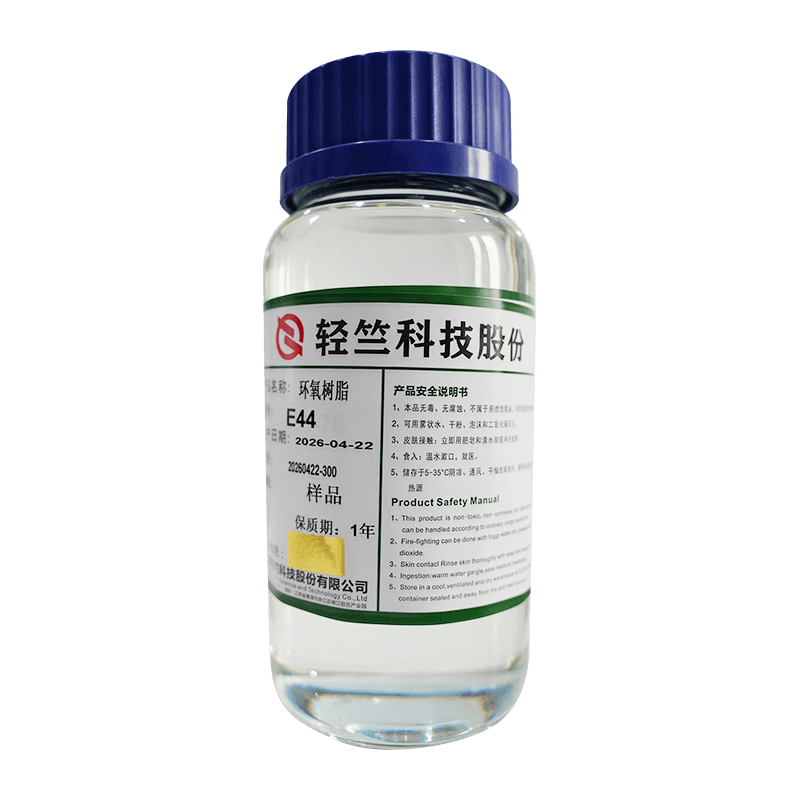
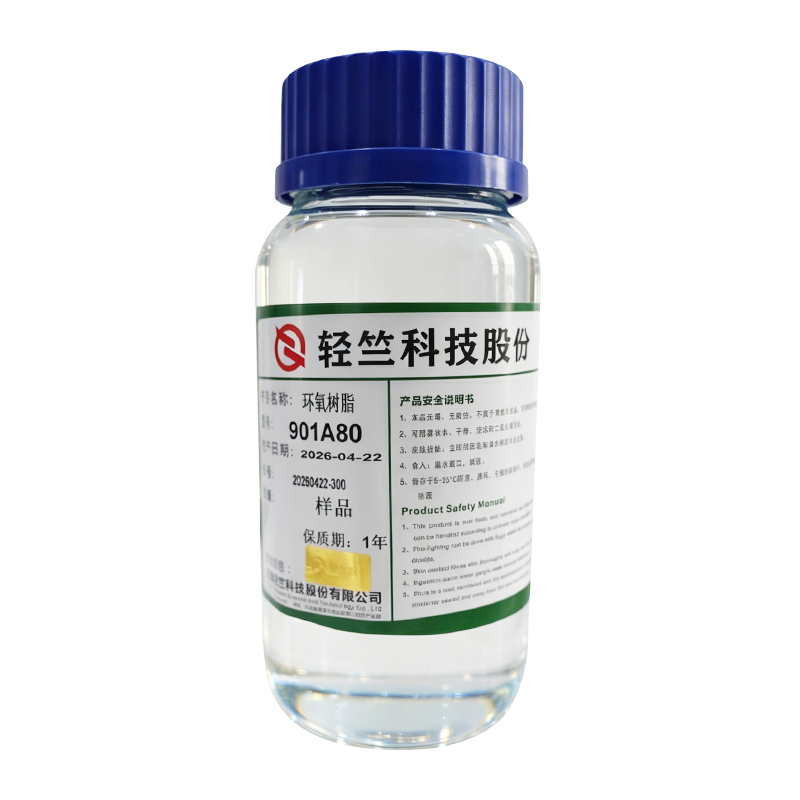


Resin Flow Control in Wind Turbine Blade Manufacturing
In Epoxy Resin For Wind Turbine Blade Manufacturing, resin flow control is closely related to fiber wet-out, void reduction, and the consistency of the finished composite structure. During vacuum-assisted resin infusion and related composite processes, the resin must travel through the reinforcement efficiently without creating dry areas or excessive accumulation. A suitable Wind Turbine Blade Epoxy Resin should therefore provide a viscosity profile that supports controlled impregnation while maintaining sufficient working time for large blade components.
The manufacturing environment can also influence resin flow. Temperature changes affect viscosity and curing kinetics, meaning that production teams should establish process parameters according to actual workshop conditions rather than relying solely on room-temperature material data. Jiangxi Qingzhu Technology Co., Ltd. focuses on epoxy resin R&D and production and continues to improve resin functionality and stability through technical development and advanced manufacturing capabilities.
Practical Factors Affecting Resin Infusion
- Resin viscosity affects the speed and uniformity of reinforcement wet-out.
- Fiber architecture and permeability determine how easily resin moves through the reinforcement.
- Mold temperature can influence both flow behavior and curing speed.
- Resin pot life should be sufficient for the size and complexity of the blade component.
Why Low Void Content Matters in Wind Turbine Blade Epoxy Resin
Large wind turbine blades are exposed to repeated aerodynamic loading, vibration, temperature variation, and environmental conditions throughout their service life. For this reason, voids and poorly impregnated areas inside a composite laminate should be minimized. In Wind Turbine Blade Epoxy Resin applications, effective fiber wet-out and controlled processing help create a more uniform resin-fiber structure and reduce potential weak points.
Void formation can result from trapped air, inadequate vacuum integrity, poor resin flow, excessive resin viscosity, or unsuitable processing parameters. Manufacturers should therefore control vacuum levels, infusion speed, resin temperature, reinforcement placement, and curing conditions as an integrated process. Jiangxi Qingzhu Technology Co., Ltd. emphasizes product stability and manufacturing consistency as part of its continued investment in epoxy resin development.
Process Checks for Void Reduction
- Inspect vacuum systems and seals before infusion.
- Maintain appropriate resin temperature and viscosity during processing.
- Avoid premature gelation before the reinforcement is fully impregnated.
- Monitor resin flow fronts and investigate abnormal flow patterns.
Balancing Strength and Toughness in Blade Epoxy Systems
A Wind Turbine Blade Epoxy Resin system needs more than high static strength. Wind turbine blades experience cyclic loads over long operating periods, so fatigue resistance and fracture toughness are important considerations. A resin system that is excessively brittle may be more susceptible to crack initiation and propagation, while excessive flexibility can reduce stiffness and load-transfer efficiency.
The desired balance depends on the blade structure, reinforcement design, curing system, operating environment, and manufacturing process. Resin modification can improve toughness, but changes to the formulation may also affect viscosity, curing speed, glass transition behavior, and processing characteristics. Jiangxi Qingzhu Technology Co., Ltd. is strengthening its epoxy resin R&D capabilities to pursue improved variants with more balanced performance for demanding applications.
| Performance Factor | Importance in Blade Manufacturing | Key Consideration |
|---|---|---|
| Strength | Supports structural load transfer | Must match fiber reinforcement and structural design |
| Toughness | Helps resist crack propagation | Should be balanced with stiffness and thermal properties |
| Fatigue resistance | Important under repeated operating loads | Requires representative cyclic testing |
Curing Control for Large Composite Blade Structures
Large blade components present different curing challenges from small composite parts. Epoxy curing is an exothermic reaction, and thick sections can retain heat generated during polymerization. If the reaction proceeds too rapidly or temperature is not properly controlled, local thermal gradients and uneven cure can affect the final composite properties. Therefore, curing schedules should be developed according to resin characteristics, laminate thickness, mold temperature, and production conditions.
Jiangxi Qingzhu Technology Co., Ltd. has introduced advanced production equipment from domestic and international sources and established fully automated advanced workshops. These capabilities support Qingzhu's objective of maintaining consistent resin quality while continuing to optimize epoxy resin formulations. For Epoxy Resin For Wind Turbine Blade Manufacturing, consistent curing behavior is especially valuable because large-scale composite production requires repeatable processing windows.
Environmental and Manufacturing Considerations
The development of modern blade materials increasingly considers manufacturing efficiency and environmental responsibility alongside mechanical performance. Resin utilization, production waste, process emissions, energy consumption, and material stability can all influence manufacturing efficiency. Jiangxi Qingzhu Technology Co., Ltd. places environmental protection at the core of its development philosophy and uses innovation-driven R&D to pursue a new generation of environmentally conscious products.
After years of refinement, Jiangxi Qingzhu Technology Co., Ltd. has developed into a high-tech enterprise covering new materials, packaging barrels, optical lens processing, and epoxy resin R&D and production. Qingzhu also has subsidiaries with annual turnover exceeding RMB 1 billion and is experiencing rapid growth. Its continued investment in epoxy resin reflects the company's goal of improving product functionality, stability, and quality while maintaining a green and pollution-conscious manufacturing approach.
What Manufacturers Can Evaluate When Selecting Blade Resin
- Viscosity and flow behavior under actual infusion temperatures.
- Pot life and gel time relative to blade size and production cycle.
- Cured mechanical strength, toughness, and fatigue-related performance.
- Thermal stability and suitability for the selected curing process.
- Batch-to-batch consistency and technical support from the resin supplier.
Qingzhu's Focus on Advanced Wind Turbine Epoxy Resin Applications
Jiangxi Qingzhu Technology Co., Ltd. has consistently upheld integrity in business and a commitment to quality. The company has made substantial investments in production and R&D, introduced world-class production equipment, established automated workshops, and assembled a professional team dedicated to improving existing products. These efforts provide a strong foundation for continued development of epoxy materials for demanding composite applications.
For Epoxy Resin For Wind Turbine Blade Manufacturing and Wind Turbine Blade Epoxy Resin, material selection should ultimately be connected to the complete manufacturing process, from resin storage and mixing to infusion, curing, inspection, and long-term performance evaluation. Jiangxi Qingzhu Technology Co., Ltd. continues to focus on epoxy resin as a strategic area, combining R&D, automated manufacturing, product quality management, and environmental principles to develop more stable and application-oriented resin solutions for the wind energy industry.


 +86-15257130679
  Qingzhu Industrial Park, Yuanqu Avenue, Industrial Park, Yujiang District, Yingtan City, Jiangxi Province, China