

 English
  русский
  عربى
عربى The 128A Standard Grade Liquid Epoxy Resin is a classic bisphenol A liquid resin offering a stable e...
+ VIEW MORE
 Industry News
Home / News & Share / Industry News / Adhesive Failure Explained: Causes, Diagnosis, and Prevention Strategies
Adhesive Failure Explained: Causes, Diagnosis, and Prevention Strategies
Qingzhu Technology – Born for Green, Driven for Tomorrow.
Content
A bonded joint comes back from the field with a clean separation. The adhesive layer is sitting entirely on one substrate; the mating surface is bare. There was no impact, no overstress, and no unusual temperature. Yet the bond failed. This is the signature of adhesive failure: the loss of adhesion at the interface between the adhesive and the substrate.
For design engineers, production managers, and quality teams, adhesive failure is the most common bond failure mode, and also the most preventable. Understanding what it is, why it happens, and how to diagnose it correctly is the first step toward eliminating recurring interfacial separation in bonded assemblies.
What Is Adhesive Failure?
Adhesive failure is defined as the separation of an adhesive from the adherend at the interface, rather than within the adhesive layer itself. When you inspect a failed joint and one side is clean — with no adhesive residue — you are looking at adhesive failure.
In a successful bond, two forces work together: adhesion, the molecular attraction between the adhesive and the substrate, and cohesion, the internal strength of the cured adhesive layer. An adhesive failure means adhesion was the weaker link. The adhesive may be perfectly strong, but it never established a lasting connection with the substrate surface.
By contrast, a cohesive failure occurs inside the adhesive layer, leaving residue on both substrates. The interface held up; the adhesive material itself broke under stress. A substrate failure, where the adherend tears before the bond, is the outcome every engineer wants, because it proves the bond is stronger than the parts.
The Three Failure Modes in a Bonded Joint
The standard classification of bond failure modes is simple and immediately useful in troubleshooting.
| Failure mode | Where separation occurs | What the surface looks like | Most common cause |
|---|---|---|---|
| Adhesive failure | At the adhesive/substrate interface | One substrate bare or almost bare; adhesive remains on the other side | Contamination, low surface energy, poor wetting, inadequate surface preparation |
| Cohesive failure | Inside the adhesive layer | Adhesive residue on both substrates, with a torn or fibrous texture | Overstress, thick bond line, under-cure, insufficient adhesive strength |
| Substrate failure | Inside one of the adherends | The substrate material itself is torn; adhesive remains bonded to the broken surfaces | The bond is stronger than the substrate; no interfacial problem |
Reading the fracture surface correctly tells you where to focus the investigation. Cohesive failure points to the adhesive's mechanical properties and the joint stress level. Adhesive failure points to the interface: surface preparation, contamination, wetting, and compatibility. Substrate failure is usually evidence that the bond design is sound.
Why Adhesive Failure Happens
Adhesive failure is rarely a random event. It follows predictable causes, usually acting in combination:
- Contamination: Oils, grease, mold-release agents, machining fluids, dust, and even fingerprints create a weak boundary layer between the adhesive and the substrate. This is the single most common cause.
- Low surface energy: Substrates such as polyethylene, polypropylene, and many powder-coated surfaces are chemically inert and hard to wet. The adhesive cannot form strong intermolecular bonds.
- Poor wetting: If the adhesive viscosity is too high, or the surface is micro-rough and traps air, the actual contact area shrinks. The bond appears sound but fails at the interface under load.
- Inadequate surface preparation: Skipping degreasing, abrasion, or etching leaves oxide layers, release agents, or polished surfaces with little anchoring.
- Environmental attack: Moisture, hydrolysis, thermal cycling, UV exposure, and chemicals degrade the interface over time, even when the initial bond was strong.
- Application and cure errors: Wrong mix ratio, incomplete cure, excessive bond line thickness, and peel stresses all contribute to interfacial separation.
Most of these factors attack the same point: the interface. That is why repairing an adhesive failure by switching to a higher-strength adhesive rarely works unless you also fix the surface condition.
How to Diagnose Adhesive Failure
Diagnosis starts with visual inspection. If both fracture faces show adhesive residue, the failure is cohesive. If one face is clean and the other carries all the adhesive, it is adhesive failure. If the adherend itself is torn, it is substrate failure.
For a deeper analysis, laboratories use contact angle measurement to quantify surface energy, infrared spectroscopy to identify contaminants, and cross-section microscopy to inspect the interface. Field tests also help: a water-break test checks for cleanliness, and a solvent wipe can reveal release agents.
The key is to confirm the failure mode before changing materials or processes. Treating an interfacial failure with a stronger adhesive is wasted effort and wasted cost.
Preventing Adhesive Failure in Epoxy Bonds
Epoxy adhesives are among the most reliable systems for structural bonding, but their performance depends on three pillars: surface preparation, application control, and resin selection.
Surface preparation comes first
Degrease the substrate with an appropriate solvent, abrade it to create a fresh micro-rough surface, remove the dust, and dry it thoroughly. For metals, remove weak oxide or hydroxide films just before bonding. The surface energy of the substrate should be higher than the surface tension of the adhesive; otherwise, the adhesive beads up and the interface carries voids.
Control the application process
Follow the recommended mix ratio, mixing time, and cure schedule. Under-cured epoxy does not develop full adhesion. Keep the bond line within the formulator's recommended thickness; a starved joint lacks coverage, while an overly thick joint builds up internal stress. Where peel or cleavage forces are unavoidable, redesign the joint or use a more flexible adhesive system.
Manage the service environment
Cure in low humidity and avoid surface condensation. In service, consider whether the bond will face hydrolysis, chemicals, or thermal cycling, and choose the resin system accordingly.
Selecting an Epoxy Resin That Resists Adhesive Failure
Because adhesive failure begins at the interface, the base resin has a direct influence on wetting, bond strength, and durability. The selection criteria for a resin supplier or adhesive formulator are viscosity, flexibility, temperature resistance, and compatibility with the substrate.
General-purpose bonding
For metal, concrete, wood, and most engineered plastics, a standard liquid epoxy resin offers the right balance of strength and processability. Our 128A standard grade liquid epoxy resin is a reliable base for adhesive systems where good adhesion, chemical resistance, and ease of handling are required.
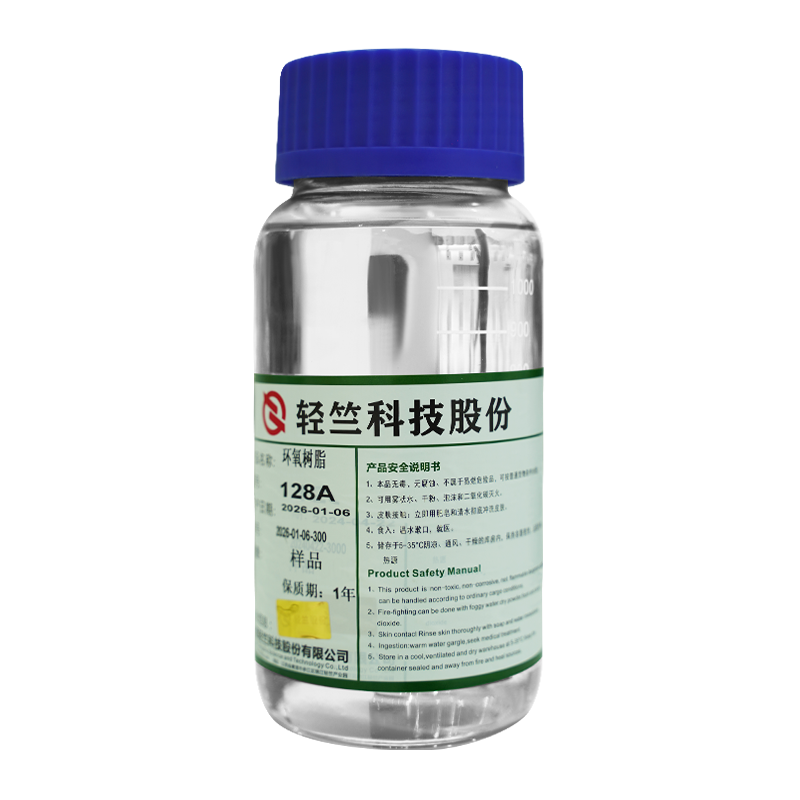 128A Standard Grade Liquid Epoxy Resin for General BondingThis general-purpose bisphenol A liquid resin offers balanced strength, chemical resistance, and processability, making it a reliable base for adhesives on metals, concrete, wood, and plastics.View Product →
Difficult surfaces and wetting
When the substrate is rough, porous, or hard to wet, viscosity becomes decisive. A low-viscosity resin penetrates fine surface topography, displaces trapped air, and increases the real contact area. This directly reduces the interfacial voids that turn into adhesive failure under load. Our E39D low-viscosity transparent liquid epoxy resin is designed for this situation: it flows readily, wets difficult surfaces, and cures to a clean, transparent film.
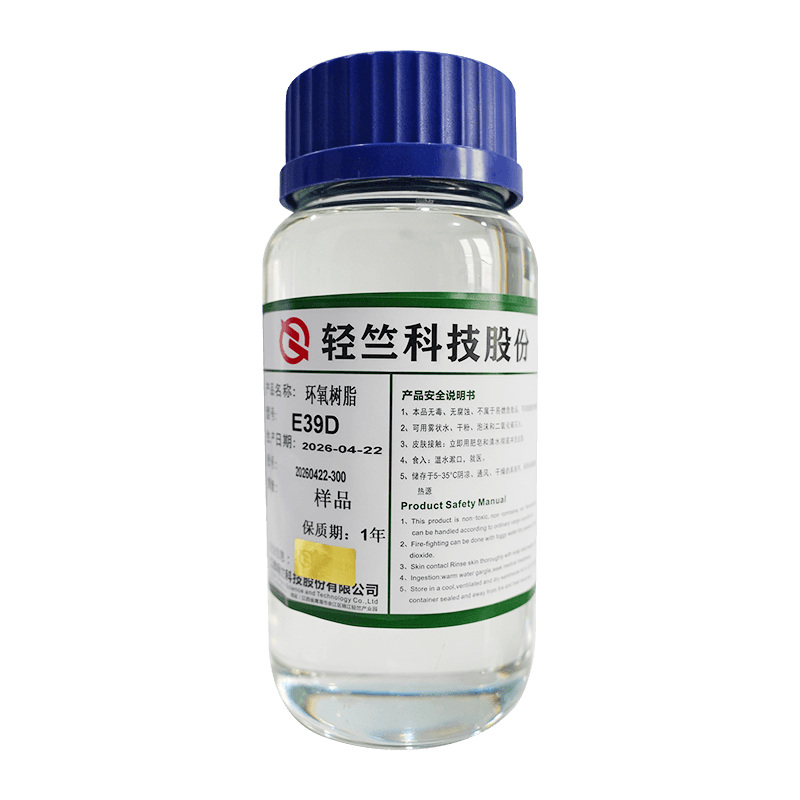 E39D Low-Viscosity Transparent Epoxy Resin for Wetting and ClarityDesigned for rough or porous substrates, this low-viscosity resin penetrates surface irregularities, displaces trapped air, and cures to a clear film, improving adhesion where wetting is difficult.View Product →
Flexible bonds for demanding stress conditions
Many bonded assemblies do not fail under steady tension; they fail under peel, cleavage, or repeated thermal cycling. When two dissimilar materials expand at different rates, the interface sees localized stress that propagates into separation. A flexible resin system absorbs and distributes that stress, protecting the interface. Our 450A80 high-solids flexible liquid epoxy resin combines compliance with high solids content for durable structural bonds, and it is especially valuable in composite structures where laminates are joined to metal fittings.
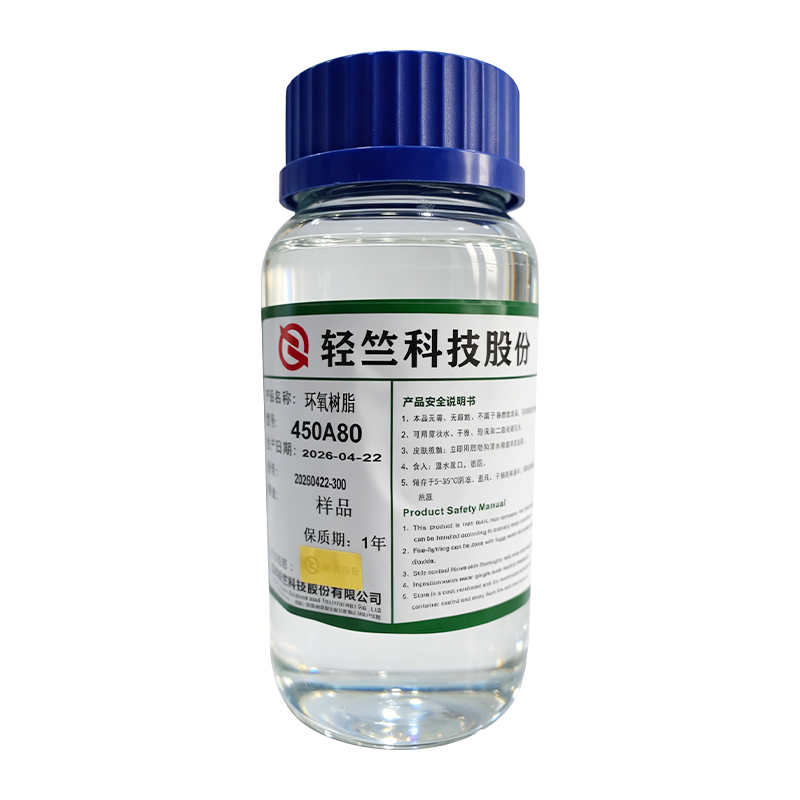 450A80 Flexible High-Solids Epoxy Resin for Stress AbsorptionThis flexible, high-solids epoxy absorbs and distributes localized stress from peel, cleavage, or thermal cycling, providing durable structural bonds in composite-to-metal joints and other demanding assemblies.View Product →
For elevated-temperature service or specialty requirements, high-temperature and high-toughness epoxy grades are also available. The starting point, however, is an honest assessment of surface energy, wetting, and stress conditions. Bonded assemblies that consistently separate at the interface are almost never solved by the adhesive alone. They are solved by matching the interface condition, the resin, and the production process. For more on how different epoxy grades map to real production needs, see our adhesive and sealant applications overview.
Adhesive failure is not proof that adhesives are unreliable. It is proof that the interface was not ready, or that the wrong resin was chosen. In most cases, it is preventable: clean and prepare the surface, control the application process, and select a resin with the right viscosity, flexibility, and environmental resistance.
The next time a bonded joint separates cleanly at one surface, treat it as a diagnostic opportunity. Identify the failure mode first. Then fix the cause, not the symptom. The interface is where adhesion lives, and that is exactly where a little attention delivers the most reliable bonds.
Related Product
-

-
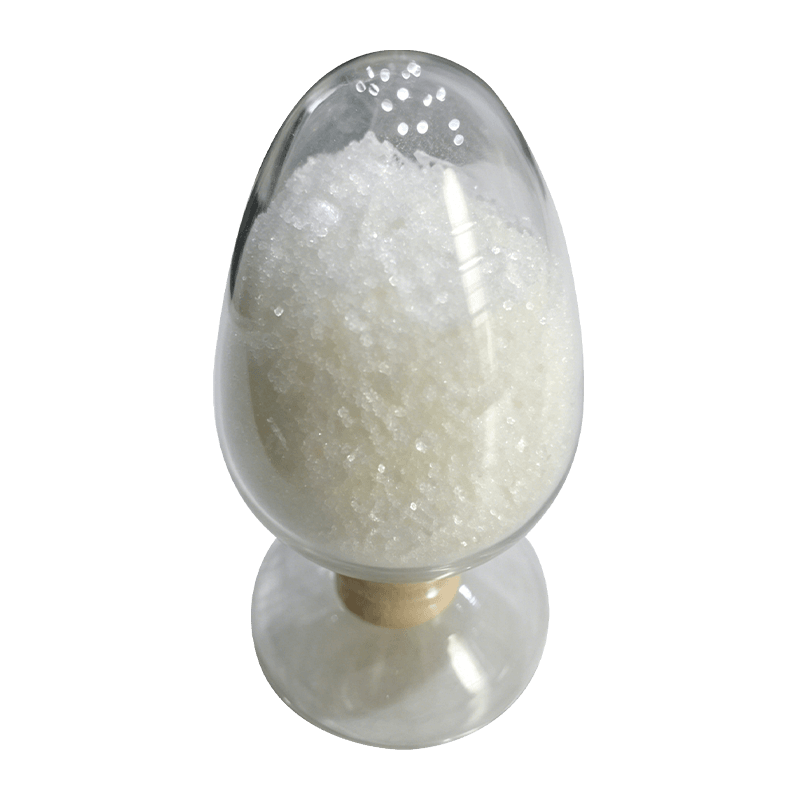
The 601 Standard Grade Solid Epoxy Resin is the foundational general-purpose grade within the 601 Se...
+ VIEW MORE

Product Categories
Epoxy Resin 128 Series Epoxy Resin 601 Series Epoxy Resin 604 Series E44 General-Purpose Liquid Epoxy Resin E39D Low-Viscosity Transparent Liquid Epoxy Resin 450A80 High-Solids Flexible Liquid Epoxy Resin 901A80 High-Temperature Specialty Liquid Epoxy ResinContact
 [email protected]
 +86-15257130679
 Qingzhu Industrial Park, Yuanqu Avenue, Industrial Park, Yujiang District, Yingtan City, Jiangxi Province, China
