

 English
  русский
  عربى
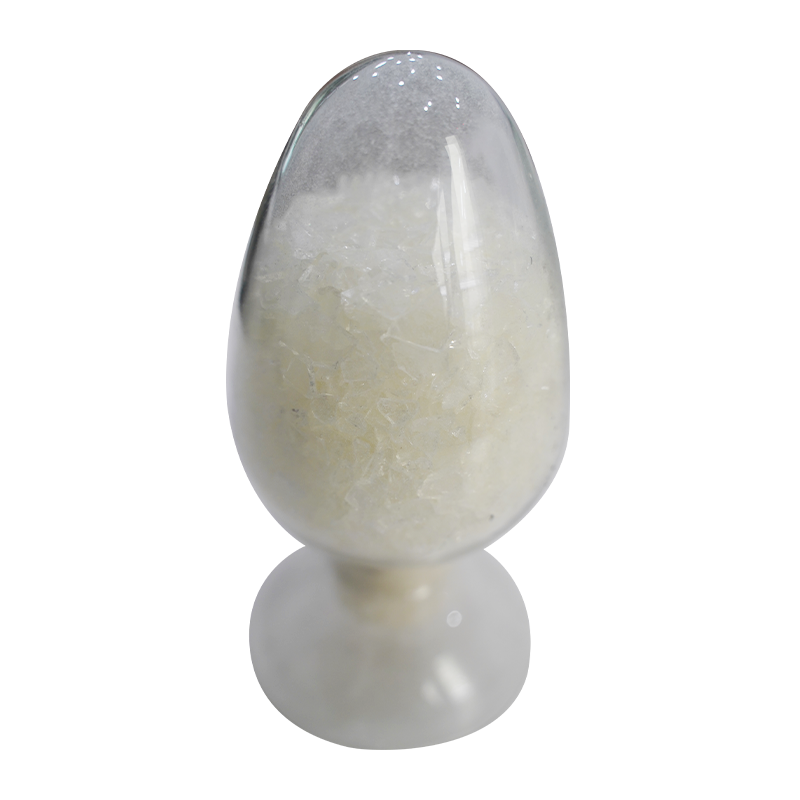
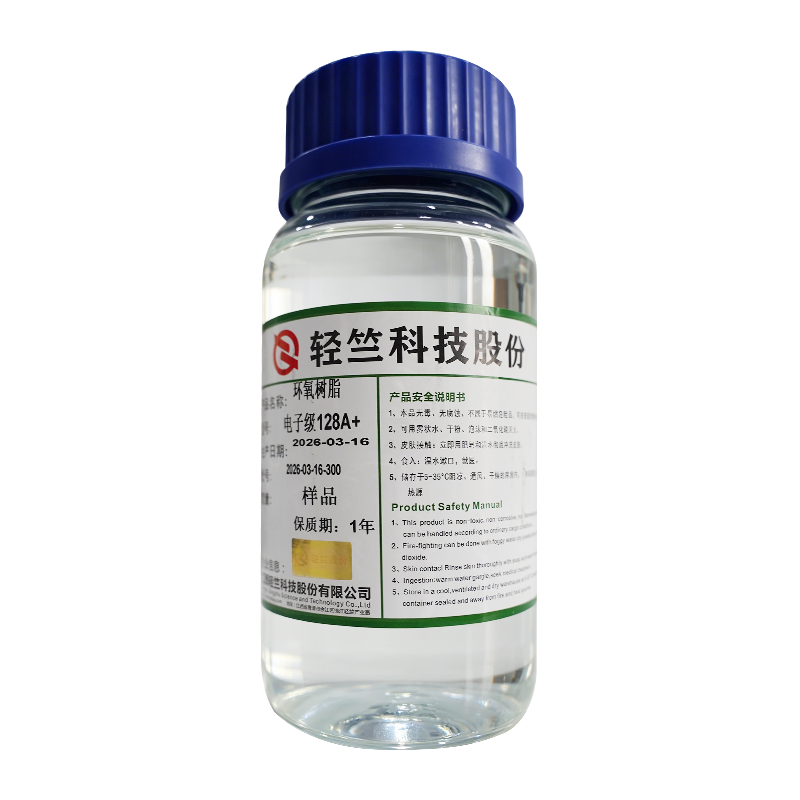
عربى The 128A+ Electronic Grade Liquid Epoxy Resin is a high-purity bisphenol A liquid resin formulated f...
+ VIEW MORE
 Industry News
Home / News & Share / Industry News / Wind Turbine Blade Lifespan: Why the Epoxy Resin Matrix Sets the Limit
Wind Turbine Blade Lifespan: Why the Epoxy Resin Matrix Sets the Limit
Qingzhu Technology – Born for Green, Driven for Tomorrow.
Content
How Long Do Wind Turbine Blades Actually Last
A viral claim keeps resurfacing online: wind turbine blades supposedly wear out after three to seven years. The real number, backed by decades of field data, is closer to 20 to 25 years — the same design life the turbine itself is certified to under IEC 61400 standards. Fact-checkers have traced the source of the shorter figure and found no supporting data behind it; independent studies and a US Department of Energy analysis both converge on 18 to 25 years as the realistic range, with 20 years serving as the widely used industry baseline.
What's less commonly explained is why that number sits where it does, and why some blades keep running well past their original design life while others need repair years earlier. The answer has less to do with wind speed alone and more to do with what the blade is actually made of.
What Determines the End of a Blade's Service Life
A blade doesn't fail the way a mechanical part with moving surfaces does. There's no single wear point. Instead, a blade spends its entire operating life under cyclic loading — millions of flex cycles as it rotates, bends, and twists under changing wind pressure. Each cycle is small on its own, but the damage accumulates.
That accumulation shows up in three ways: microscopic cracking within the resin matrix that holds the fiberglass or carbon fibers together, gradual debonding at the fiber-to-resin interface where load transfer becomes less efficient, and delamination between the layers of laminate that make up the blade skin and spar. Research from the National Renewable Energy Laboratory's structural testing program compresses roughly 20 years of expected loading into a single fatigue test run over a matter of weeks, precisely because this cumulative cracking process — not any single dramatic failure — is what defines a blade's practical lifespan.
Why the Resin Matrix Is the Limiting Factor
Fiberglass and carbon fiber are, on their own, extremely fatigue-resistant. What usually reaches its limit first is the resin system holding those fibers together. The matrix has two jobs under cyclic load: absorb the micro-movements between fibers without cracking, and keep the fiber-resin bond intact so load actually transfers into the reinforcement instead of concentrating at weak points.
A resin that's too rigid tends to develop micro-cracks early under repeated flexing; one with poor interfacial adhesion lets fibers debond before the fiber's own fatigue limit is ever tested. This is the reason blade manufacturers have moved toward high-toughness solid epoxy resin engineered specifically for fatigue-critical laminates in spar caps and root joints, where cyclic stress concentrates most heavily. Toughness modification — improving the resin's ability to flex and absorb energy without propagating a crack — has a direct, measurable effect on how many load cycles a laminate survives before damage becomes structural.
Environmental and Operational Stressors
Material fatigue sets the theoretical ceiling, but environmental exposure decides how close a given blade gets to it. Leading-edge erosion from rain and airborne particles wears down the protective coating and, over time, exposes the underlying laminate to moisture ingress. Offshore turbines face this on an accelerated timeline: constant salt spray promotes both surface degradation and, if moisture reaches the laminate, internal fiber-resin debonding.
Temperature cycling adds a separate stress. Resin and fiber expand and contract at different rates, and repeated thermal swings — day-to-night in continental climates, or seasonal extremes — add another layer of micro-stress on top of mechanical fatigue. None of these factors act alone; a blade in a high-erosion, high-salinity, wide-temperature-swing environment will typically reach end-of-life sooner than the same design operating inland in milder conditions, even though both were built to the same 20-year specification.
Extending Blade Life Through Material Selection
Because the resin matrix is so often the limiting factor, material choices made at the manufacturing stage carry outsized weight over the blade's eventual service life. Infusion-molded blades — now the dominant manufacturing method for large blades — depend on low-viscosity liquid epoxy resin formulated for infusion-based manufacturing to fully wet out thick fiber layups without leaving voids, which would otherwise become fatigue initiation points from day one.
Bonding quality at the joints matters just as much as the laminate itself. Spar-to-shell bonds and root joints are frequently where field failures originate, which is why adhesive and sealant-grade epoxy systems used in blade bonding are formulated separately from the laminating resin, with their own toughness and gap-filling requirements. Taken together — matrix toughness, infusion-grade flow properties, and bond-line adhesive performance — these choices are what separate a blade that reaches 20 years on schedule from one that needs early intervention. For manufacturers evaluating epoxy resin systems built for wind energy composite applications, the resin specification is where that lifespan is effectively decided, long before the blade ever leaves the factory. Broader composite manufacturing considerations, including how resin systems perform across structural composite applications built on epoxy resin matrices, follow the same fatigue and bonding principles.
Related Product
-
-
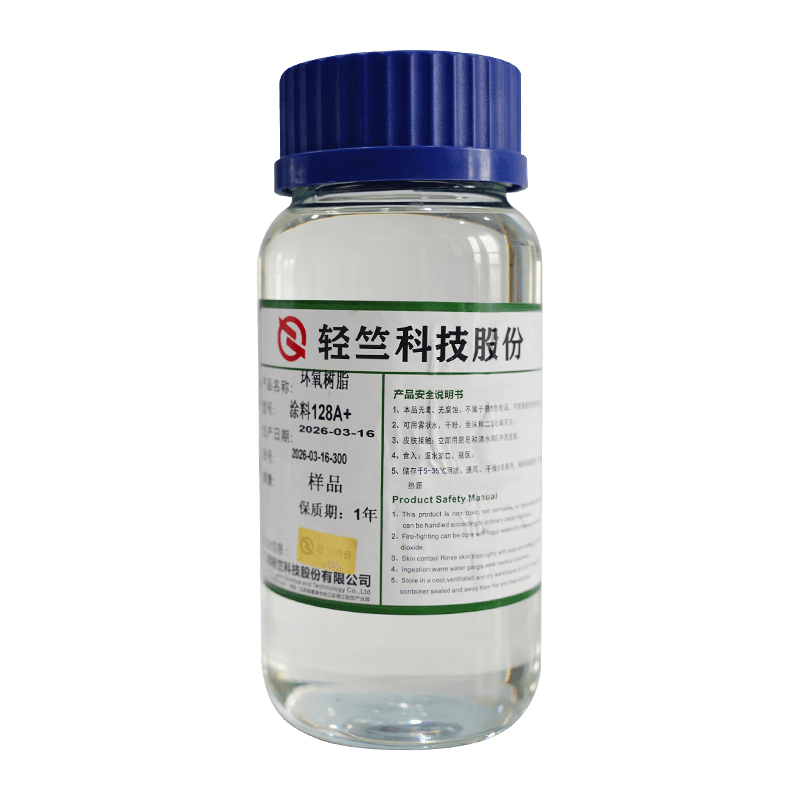
The 128A+ Coating Grade Liquid Epoxy Resin is a bisphenol A liquid resin specifically optimized for ...
+ VIEW MORE -
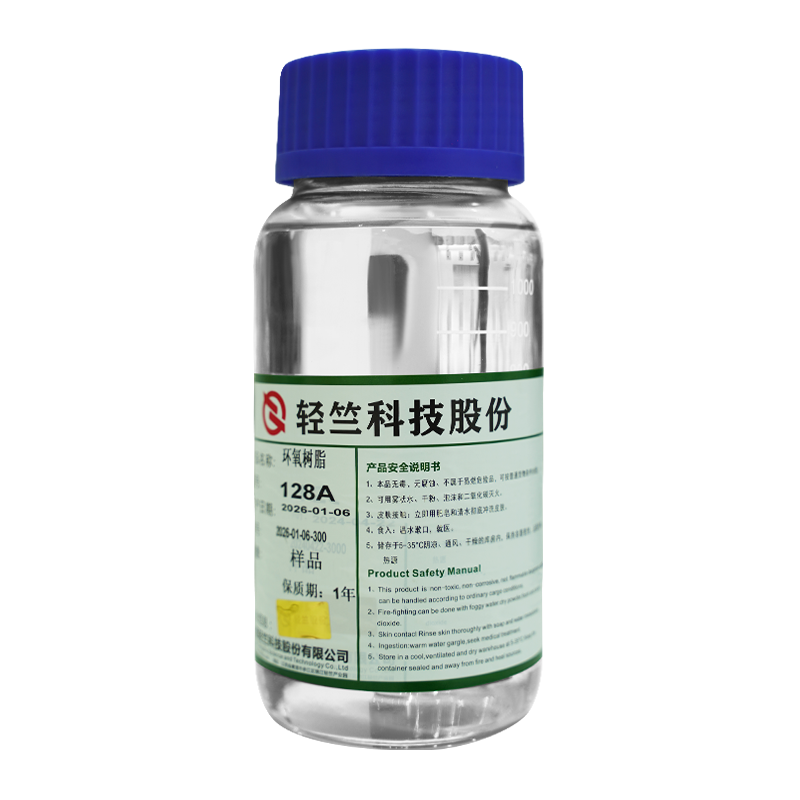
The 128A Standard Grade Liquid Epoxy Resin is a classic bisphenol A liquid resin offering a stable e...
+ VIEW MORE -
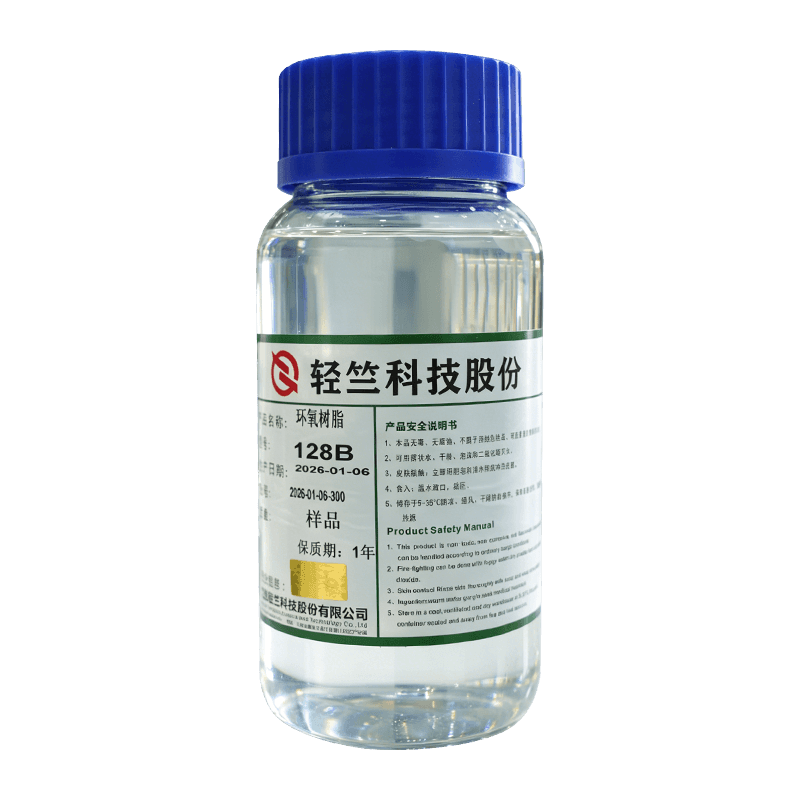
The 128B Low-Viscosity Liquid Epoxy Resin is the lowest-viscosity grade in the 128 Series. While ret...
+ VIEW MORE -
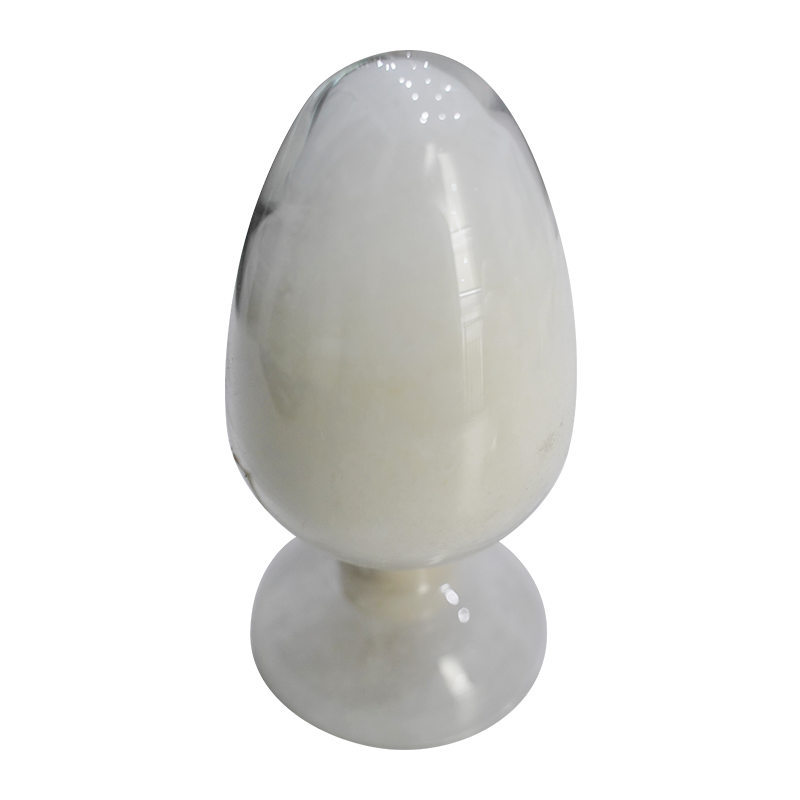
The 601R Electronic Grade Solid Epoxy Resin is a bisphenol A medium-molecular-weight solid resin pro...
+ VIEW MORE

Product Categories
Epoxy Resin 128 Series Epoxy Resin 601 Series Epoxy Resin 604 Series E44 General-Purpose Liquid Epoxy Resin E39D Low-Viscosity Transparent Liquid Epoxy Resin 450A80 High-Solids Flexible Liquid Epoxy Resin 901A80 High-Temperature Specialty Liquid Epoxy ResinContact
 [email protected]
 +86-15257130679
 Qingzhu Industrial Park, Yuanqu Avenue, Industrial Park, Yujiang District, Yingtan City, Jiangxi Province, China
