

 English
  русский
  عربى
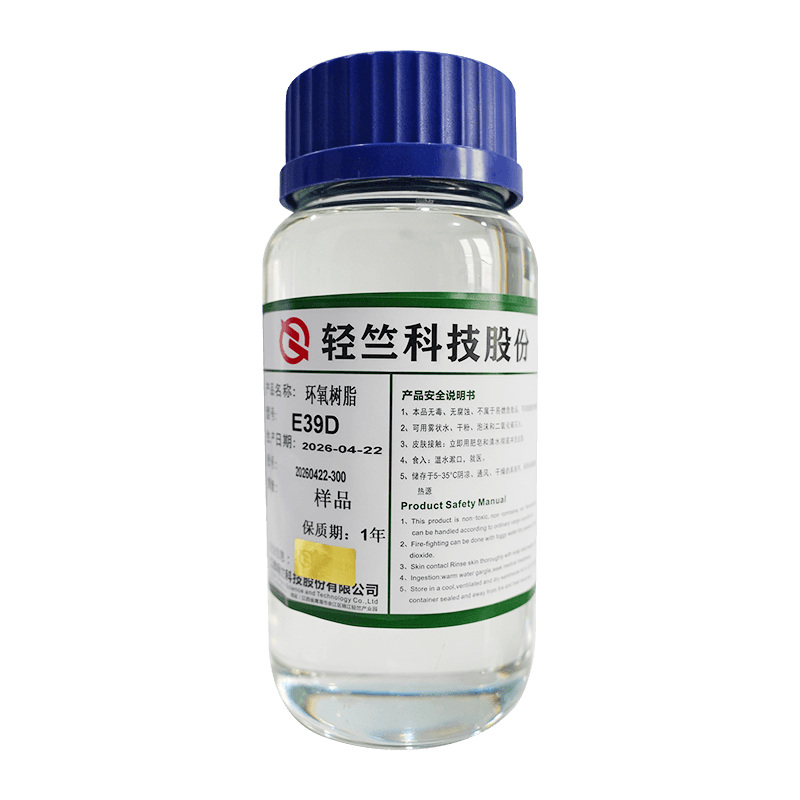
عربى The E39D Low-Viscosity Transparent Liquid Epoxy Resin is a high-purity bisphenol A liquid resin dist...
+ VIEW MORE
 Industry News
Home / News & Share / Industry News / ASTM D6415 Explained: Curved Beam Strength Testing for Epoxy Composites
ASTM D6415 Explained: Curved Beam Strength Testing for Epoxy Composites
Qingzhu Technology – Born for Green, Driven for Tomorrow.
Content
Imagine a composite L-shaped bracket carrying a critical load inside an aircraft wing root or a wind turbine blade. The 90-degree corner is an unavoidable geometric feature, but it is also a structural weak point. When the bracket is pulled in tension, the inner radius is compressed while the outer radius is stretched apart. If the laminate's interlaminar tensile strength is insufficient, the plies separate at the curved section—a failure mode known as delamination. ASTM D6415 was created to quantify exactly how much interlaminar tensile stress a curved composite can withstand before this separation begins.
For engineers designing with fiber-reinforced polymer-matrix composites, the curved beam strength value provided by this test is a critical design allowable. It is also one of the most straightforward ways to compare the delamination resistance of different epoxy resin systems.
What Is the ASTM D6415 Standard?
ASTM D6415, officially designated D6415/D6415M, is a standard test method for measuring the curved beam strength of continuous fiber-reinforced polymer-matrix composites. The test specimen is a 90-degree curved beam with a constant cross-section width and thickness. The load is applied in tension to open the curved leg, which generates a bending moment at the radius and creates high out-of-plane tensile stresses at the critical plane.
| Parameter | Typical Value | Unit |
|---|---|---|
| Specimen width | 15 to 30 | mm |
| Specimen thickness | 2 to 5 | mm |
| Inner radius | 6.35 | mm |
| Overall leg length | 70 to 100 | mm |
| Loading rate | 1.0 | mm/min |
During the test, the specimen is loaded until sudden failure occurs at the curved section. The maximum force is recorded, and the curved beam strength is calculated. The 90-degree geometry reflects real-world corner features found in composite frames, cleats, spars, and other load-bearing structures.
Curved Beam Strength Calculation
Curved beam strength is calculated using a simple formula that divides the failure load by the cross-sectional area of the beam:
S = F / A
Where S is the interlaminar tensile strength in MPa or psi, F is the maximum force at failure, and A is the cross-sectional area (width multiplied by thickness). For example, a 25.4 mm wide specimen with a failure load of 5 kN over a section area of 127 mm² provides a curved beam strength of approximately 39.4 MPa. The result is directly applicable to laminate analysis and finite element models.
How Epoxy Resin Selection Affects D6415 Curved Beam Strength
The measured curved beam strength is not simply a property of the fiber reinforcement; it is strongly influenced by the matrix resin. The interlaminar region relies on the resin's toughness to resist crack initiation and propagation. A brittle matrix cracks at low loads, limiting the design allowable that engineers can use in fail-safe designs. Toughened epoxy systems are formulated specifically to increase fracture energy at this interface.
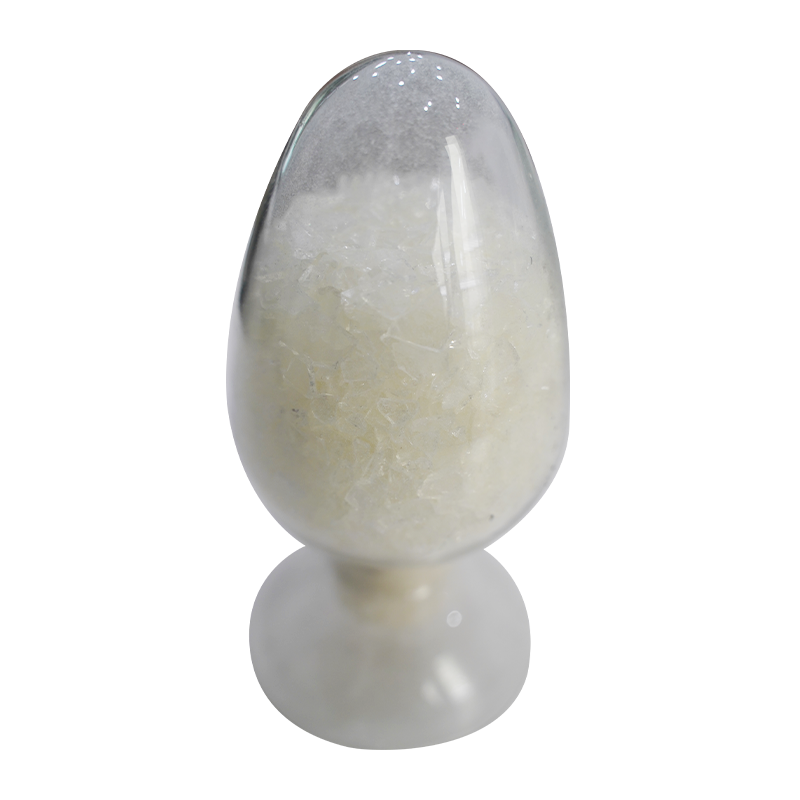 604 High-Toughness Solid Epoxy Resin for Interlaminar ToughnessThis bisphenol A solid epoxy delivers high impact strength and low cure stress, addressing the brittle matrix issue that limits curved beam strength in D6415 tests.View Product →
A high-toughness solid epoxy resin like the one above can provide the strain-to-failure needed to significantly increase the ultimate load in a D6415 test. Resin toughness is primarily driven by the molecular network architecture, phase separation of toughening agents, and the crosslink density after cure.
Why Matrix Toughness Defines Delamination Resistance
Carbon and glass fibers carry the in-plane tension, compression, and shear loads. However, out-of-plane interlaminar tension is a resin-dominated property. When a curved laminate is loaded, the presence of a sharp radius concentrates strain at the interface. If the resin cannot plastically deform to blunt the crack tip, failure follows almost immediately. The following factors determine the final D6415 value:
- Resin fracture toughness (G1C and G1IC)
- Degree of cure and crosslink density
- Void content at the curved radius
- Fiber architecture at the corner
- Specimen radius-to-thickness ratio
Balancing Rigidity and Flexibility
Resin flexibility is another lever available to formulators. A highly cross-linked network leaves little room for stress redistribution at the inner radius. Flexible aliphatic modifiers or flexible liquid epoxies can bridge that gap by increasing the overall strain-to-failure of the matrix.
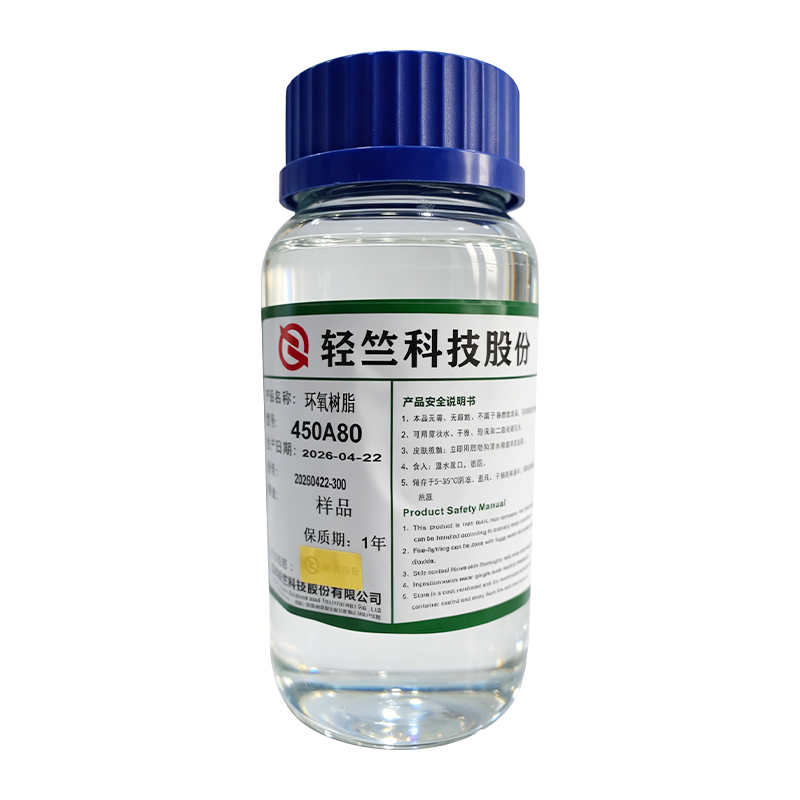 450A80 Flexible Liquid Epoxy for Delamination ResistanceAn 80% solids flexible epoxy that improves strain-to-failure and wet adhesion, suitable for formulations needing better delamination resistance in curved laminates.View Product →
This high-solids flexible liquid epoxy resin is an example of a matrix component that can be blended into a formulation to improve delamination resistance without unduly compromising thermal stability. The trade-off is a slight reduction in glass transition temperature. A resin formulator must walk a tightrope between D6415 performance and heat resistance.
Using D6415 Data in Composite Design
In practice, D6415 data is used by design engineers to set allowables in structural analysis software. The interlaminar tensile strength is directly plugged into Tsai-Wu and Hashin failure criteria to predict the onset of delamination in curved structural elements.
For manufacturers producing wind-energy components, the root sections of rotor blades often include thick curved geometries that are susceptible to delamination. By screening candidate resin systems with D6415, material engineers can downselect from a long list to two or three candidates before progressing to expensive full-scale fatigue tests.
Wind-energy componentsSimilarly, designers of aerospace frames, automotive battery enclosures, and marine hull stiffeners rely on this test to ensure that corners and flanges will survive repeated load cycles without sudden interlaminar fracture. The test is also well suited for evaluating repairs that may introduce new radius geometries.
Composite structuresCommon Pitfalls in D6415 Testing
Running a precise D6415 test is not trivial. Minor variations in specimen preparation can distort the results and lead to wrong material comparisons. The following are the most common issues encountered when evaluating curved beam strength values:
- Inconsistent radius quality: The internal radius must be smooth and free of voids. Machining the radius with a sharp tool can induce microcracks that act as failure initiators.
- Fiber bridging: During curing, fibers may bridge across the radius and artificially inflate the apparent strength. Proper vacuum bagging and compaction are necessary to minimize this effect.
- Misaligned grips: Any off-axis loading will reduce the measured failure load. Alignment fixtures should be checked regularly.
- Environmental conditioning: Moisture content affects resin ductility. Specimens must be conditioned to a consistent relative humidity before testing.
- Tab bonding: Incorrectly bonded tabs can fail prematurely or induce bending moments. The tab adhesive must have adequate shear strength and the tab ends must be smooth.
Supplying Epoxy Resins for Structural Testing
A resin supplier that understands the mechanics behind ASTM D6415 can help customers make better material choices. Beyond listing viscosity and Tg values, meaningful suppliers offer guidance on how their products perform in matrix-dominated tests like curved beam strength.
For less critical parts, a standard-grade liquid epoxy offers a reliable baseline with consistent processing characteristics. For high-performance components, a specialty product with improved toughness can raise the design allowable and reduce weight by allowing thinner plies at the same structural margin.
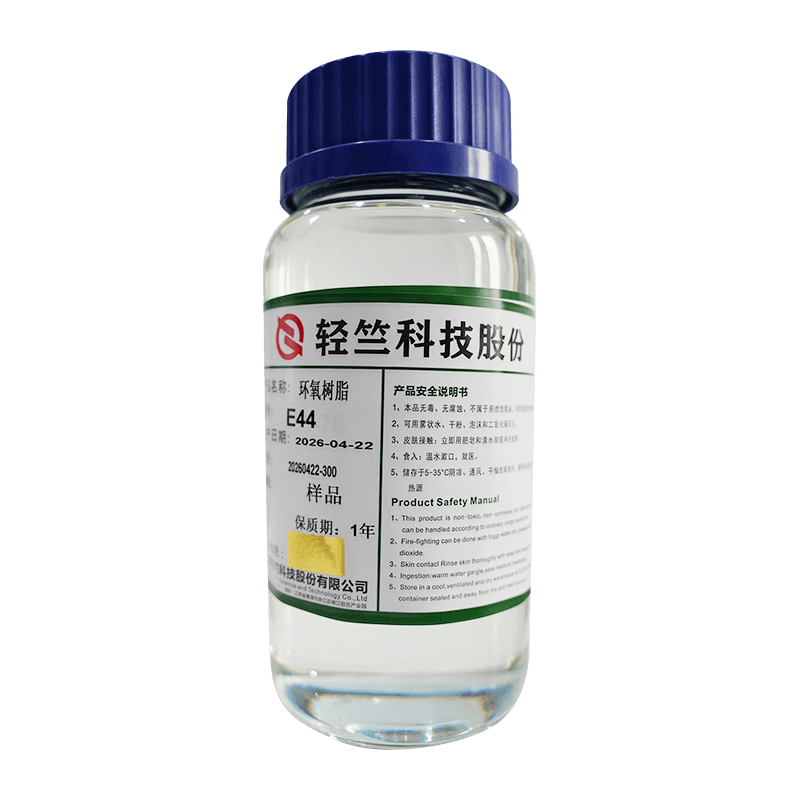 E44 General-Purpose Liquid Epoxy Resin Baseline OptionA versatile, cost-effective liquid epoxy with balanced adhesion and processing, offering a reliable baseline for less critical curved composite parts.View Product →
Ultimately, D6415 is more than a quality control spreadsheet entry. It is a measure of how confidently your supply chain can place a curved composite part into service. When your resin vendor speaks the language of interlaminar stresses and fracture energy, your development roadmap becomes far more predictable.
Related Product
-
-
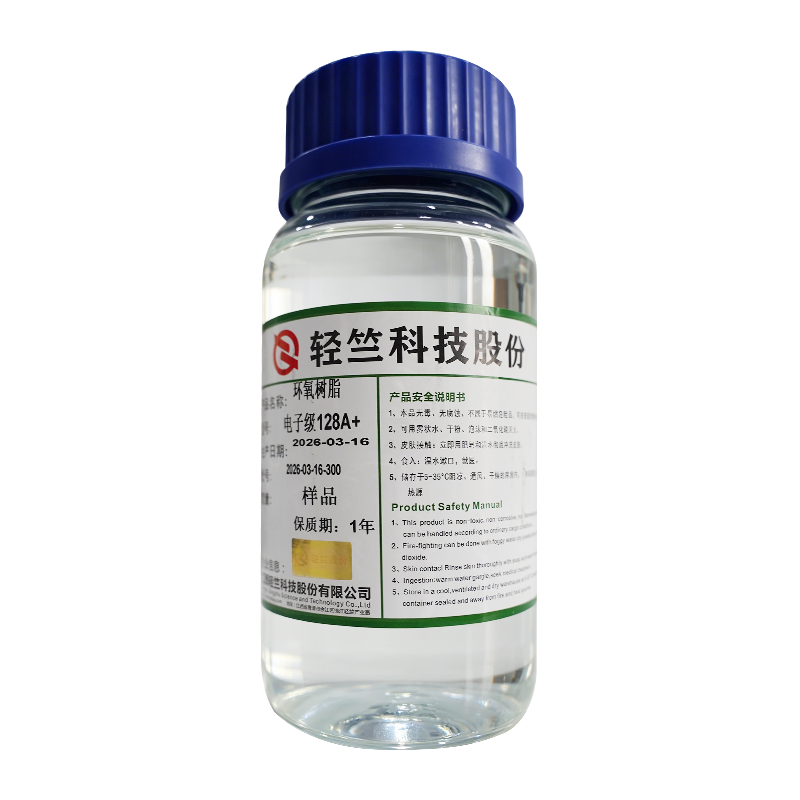
The 128A+ Electronic Grade Liquid Epoxy Resin is a high-purity bisphenol A liquid resin formulated f...
+ VIEW MORE -
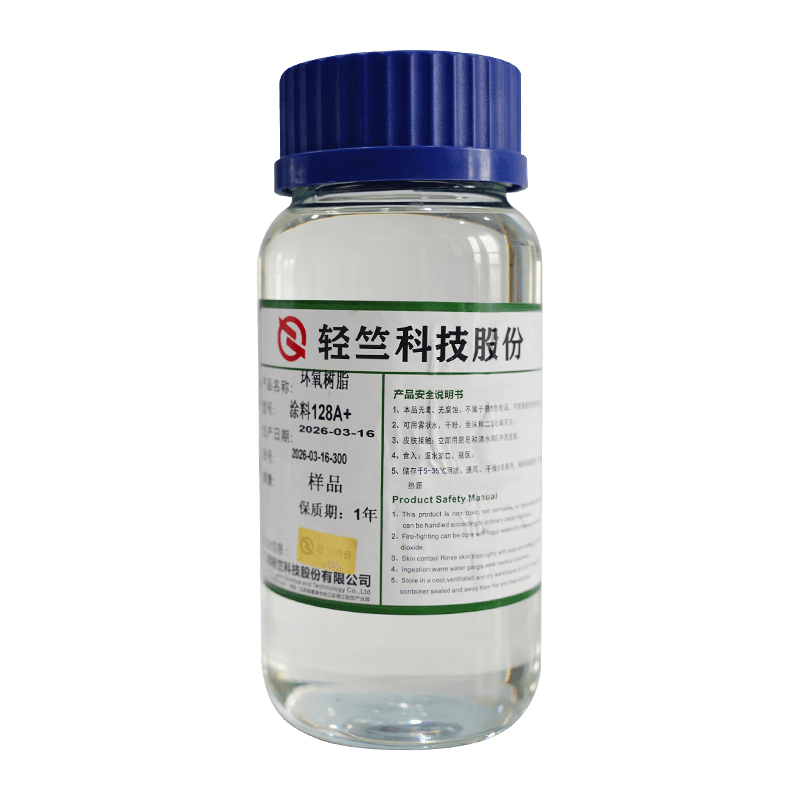
The 128A+ Coating Grade Liquid Epoxy Resin is a bisphenol A liquid resin specifically optimized for ...
+ VIEW MORE -
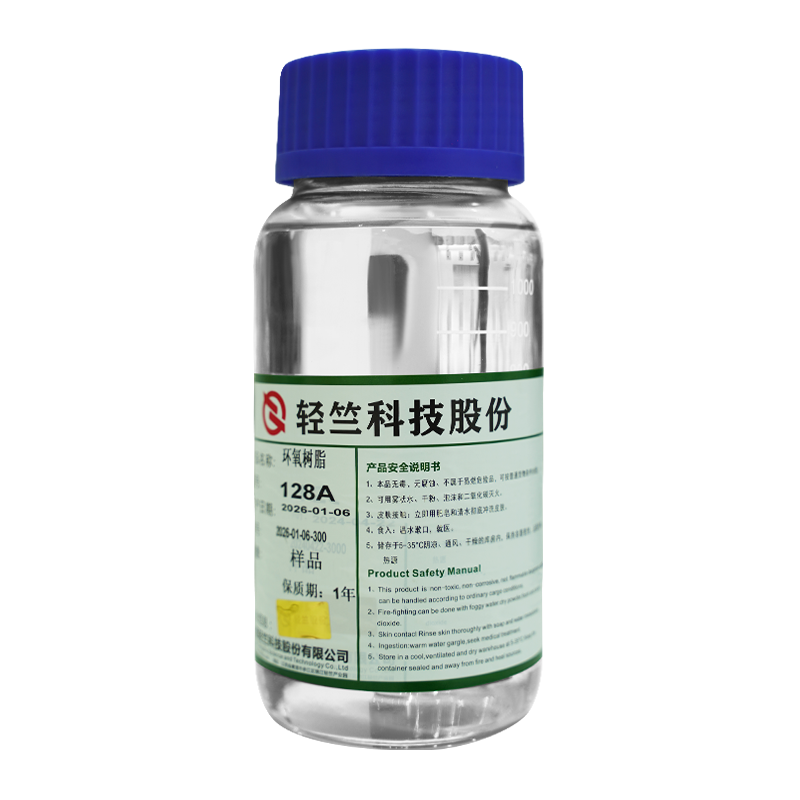
The 128A Standard Grade Liquid Epoxy Resin is a classic bisphenol A liquid resin offering a stable e...
+ VIEW MORE -
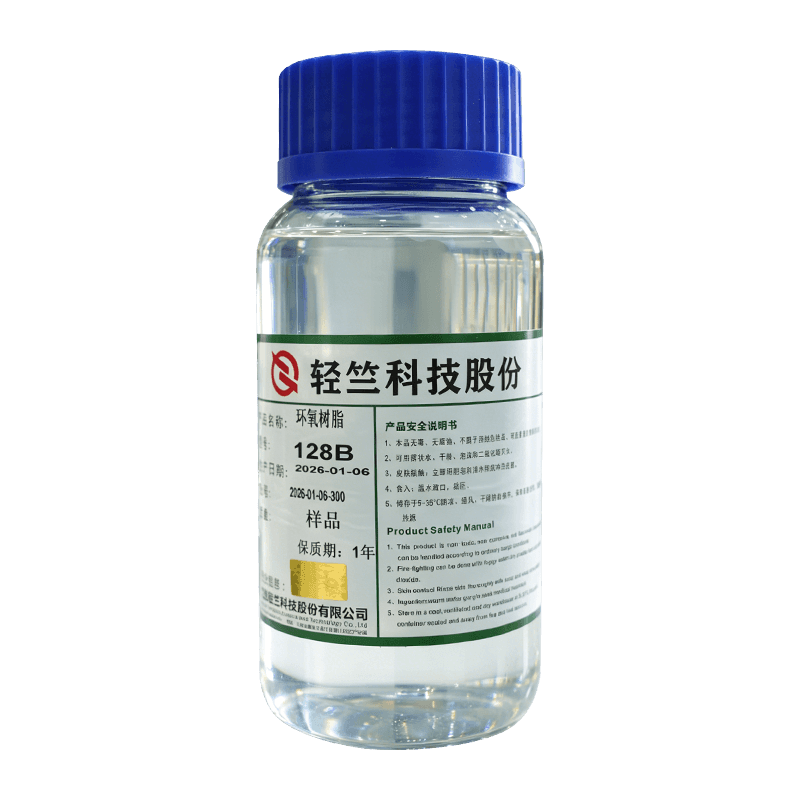
The 128B Low-Viscosity Liquid Epoxy Resin is the lowest-viscosity grade in the 128 Series. While ret...
+ VIEW MORE

Product Categories
Epoxy Resin 128 Series Epoxy Resin 601 Series Epoxy Resin 604 Series E44 General-Purpose Liquid Epoxy Resin E39D Low-Viscosity Transparent Liquid Epoxy Resin 450A80 High-Solids Flexible Liquid Epoxy Resin 901A80 High-Temperature Specialty Liquid Epoxy ResinContact
 [email protected]
 +86-15257130679
 Qingzhu Industrial Park, Yuanqu Avenue, Industrial Park, Yujiang District, Yingtan City, Jiangxi Province, China
