

 English
 русский
 عربى
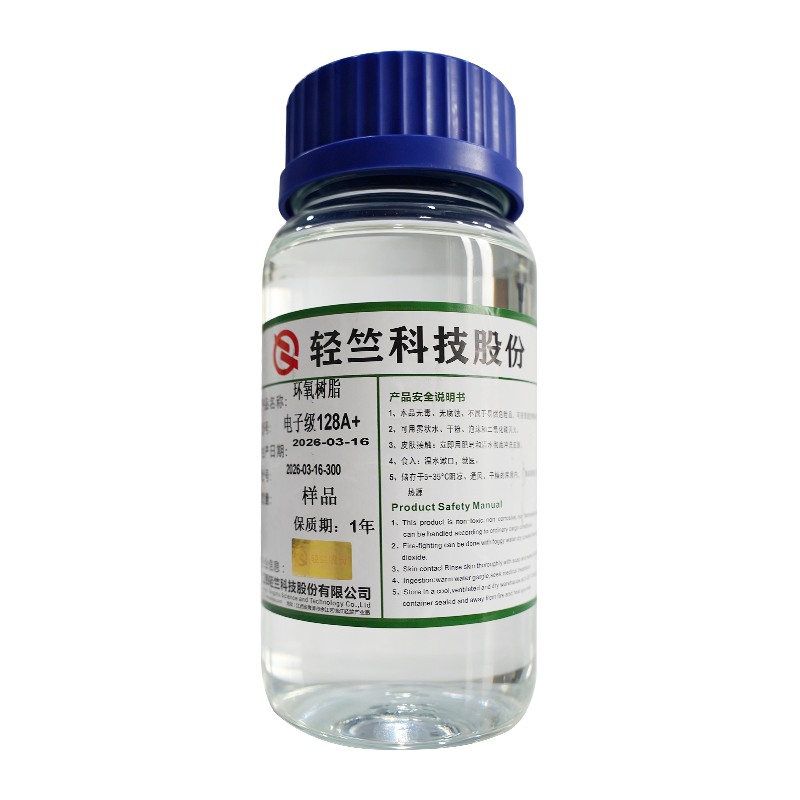
The 128A+ Electronic Grade Liquid Epoxy Resin is a high-purity bisphenol A liquid resin formulated f...
+ VIEW MORE
 Industry News
Home / News & Share / Industry News / ASTM D7264 Flexural Testing of Polymer Matrix Composites: A Practical Guide
ASTM D7264 Flexural Testing of Polymer Matrix Composites: A Practical Guide
Qingzhu Technology – Born for Green, Driven for Tomorrow.
Content
A composite part that passes tensile tests can still fail in service if its flexural behavior is not properly characterized. That is why ASTM D7264 exists: to provide a consistent method for determining the flexural properties of polymer matrix composites. If you are specifying, testing, or purchasing composite materials, you need to understand what this standard actually measures, where the test can go wrong, and how the resin matrix influences the results. This guide gives you the practical details that matter for real-world decisions.
What ASTM D7264 Actually Measures
ASTM D7264 describes two procedures for flexural testing: Procedure A uses a three-point bending fixture, while Procedure B uses a four-point bending fixture. In both cases, a rectangular specimen is loaded either at its midpoint (three-point) or at two points (four-point) while supported near its ends. The test records load and deflection, which are then used to calculate flexural strength, flexural modulus, and flexural strain at failure.
The choice between three-point and four-point bending is not arbitrary. Three-point bending concentrates stress under the loading nose, which can cause premature failure and may not expose the true flexural strength of the material. Four-point bending creates a larger region of uniform stress, making it better for detecting defects and for measuring modulus. However, four-point fixtures are more complex and require careful alignment.
| Configuration | Span-to-Thickness Ratio | Stress Distribution | Typical Failure Modes | Common Applications |
|---|---|---|---|---|
| Three-point bending (Procedure A) | 16:1 to 60:1, depending on material | Concentrated under loading nose | Interlaminar shear, compressive failure, tensile failure | Quality control, screening, simple comparative tests |
| Four-point bending (Procedure B) | 16:1 to 60:1, with third-point loading | Uniform between loading points | Tensile failure, compressive failure, delamination | Material qualification, design data, modulus measurement |
Specimen Preparation and Test Setup: Where Most Errors Happen
Even with the right fixture, ASTM D7264 results can be misleading if specimen preparation and test setup are not controlled. The standard specifies tight tolerances for specimen dimensions, surface finish, and conditioning. For example, the thickness must be uniform within 1%, and the width within 1%. Edges should be smooth and parallel to avoid stress concentrations. Specimens must also be conditioned at a standard laboratory atmosphere (23 ± 2 °C and 50 ± 10% relative humidity) unless the material specification says otherwise.
Another common issue is span-to-thickness ratio. The standard recommends different ratios depending on whether you are testing a high-strength composite or a lower-strength material. Using the wrong ratio can shift the failure mode from flexural to shear, giving you data that does not represent the material's true flexural performance. Always check the material specification or consult the standard's tables for the correct ratio.
Alignment is equally critical. Misalignment of the loading nose or supports introduces bending moments that are not accounted for in the calculations. For four-point bending, the two loading points must be equidistant from the supports. A small misalignment can cause a 10% or greater error in flexural modulus. Use a fixture with adjustable alignment and verify it with a calibration specimen before testing production parts.
Why Resin Selection Drives Flexural Performance
In a polymer matrix composite, the fibers carry most of the load, but the resin matrix transfers stress between fibers and protects them from environmental damage. If the resin is too brittle, the composite can fail suddenly under flexural load. If the resin is too soft, the composite may not reach its full flexural strength. The matrix also influences void content, fiber wetting, and interlaminar shear strength, all of which show up in ASTM D7264 results.
For example, a high-toughness solid epoxy resin can improve the damage tolerance of a composite, leading to higher flexural strain at failure. A flexible liquid epoxy resin with high solids content can help maintain elongation while reducing volatile emissions during manufacturing. For high-temperature applications, a specialty epoxy resin with a high glass transition temperature (Tg) can preserve flexural modulus at elevated temperatures. When you are selecting a resin system, ask for flexural data generated according to ASTM D7264, not just generic mechanical properties.
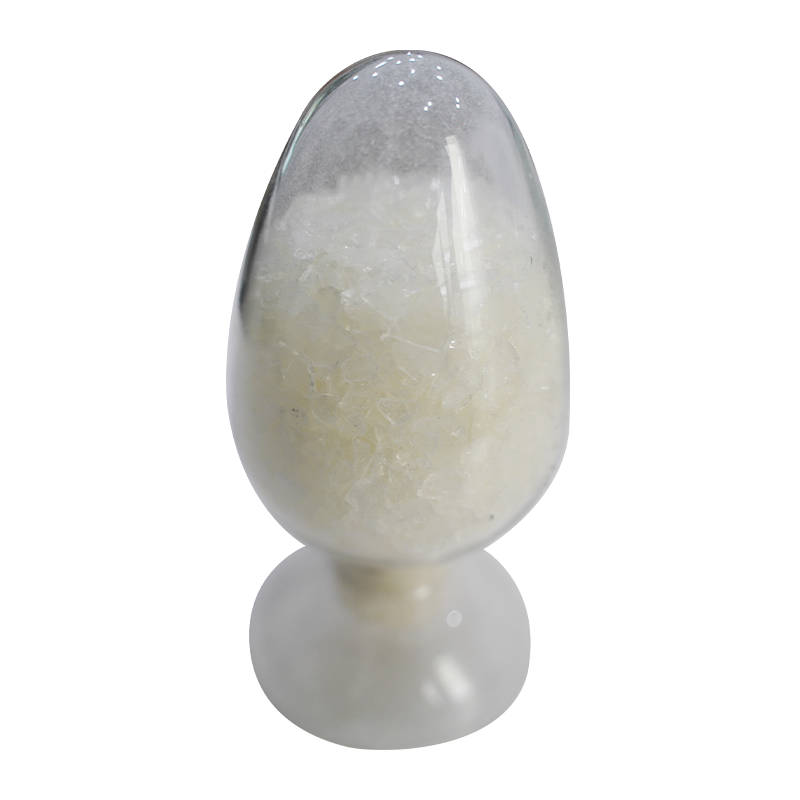 604 High-Toughness Solid Epoxy Resin for Structural Bonding and Composite TougheningFoundational high-molecular-weight solid epoxy grade for damage-tolerant structural bonding, composite toughening, and crack repair where impact and fatigue resistance matter.View Product →
Consider a wind turbine blade spar. The blade experiences flexural loads from wind and gravity. If the resin matrix has low toughness, microcracks can form between fibers and grow into delaminations. A resin like 604 high toughness solid epoxy resin is designed to absorb energy and resist crack propagation, which can translate into better flexural fatigue performance. For applications where flexibility is needed, 450A80 high solids flexible liquid epoxy resin offers a balance of elongation and mechanical strength. And for elevated temperature service, 901A80 high temperature specialty liquid epoxy resin helps maintain stiffness when the matrix would otherwise soften.
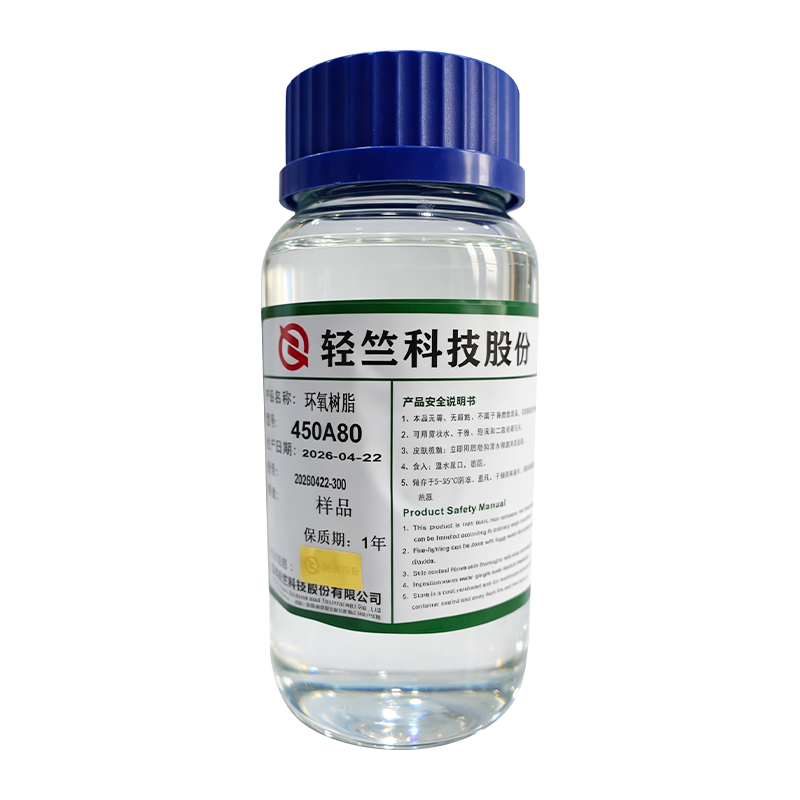 450A80 High-Solids Flexible Liquid Epoxy Resin for Damp and Dynamic BondingFlexible low-VOC liquid epoxy with 80% solids for moisture-resistant bonding, crack resistance, and protective coatings on damp or underwater substrates.View Product →
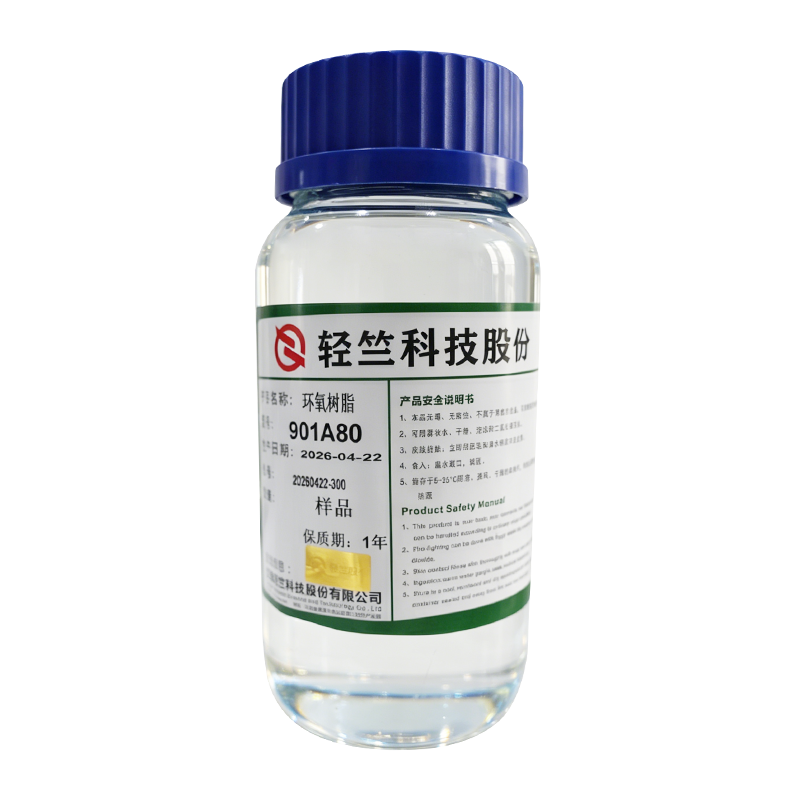 901A80 High-Temperature Specialty Liquid Epoxy Resin for Thermal and Electrical InsulationHighest heat-resistance liquid epoxy with Tg ≥160°C for high-temperature bonding, electronic encapsulation, and insulation in aerospace, EV, and chemical service.View Product →
Of course, resin selection is only one part of the picture. The fiber type, fiber volume fraction, layup, and cure cycle all interact with the resin to determine final flexural properties. That is why it is useful to look at the full composite application. For more details on how epoxy resins are used in composite structures, see the composites application page. If your focus is wind energy, the wind energy application page discusses specific requirements for blades and nacelles.
Common Pitfalls and How to Avoid Them
Even experienced labs can run into problems with ASTM D7264. Here are the most frequent pitfalls and how to address them.
- Wrong span-to-thickness ratio: Using a ratio that is too low can cause shear failure before flexural failure. Always use the ratio specified in the material specification or the standard's tables.
- Poor specimen edges: Machining marks and rough edges act as stress concentrators. Polish edges with fine abrasive paper and inspect under a microscope before testing.
- Inadequate conditioning: Testing dry or unconditioned specimens can give artificially high strength. Follow the conditioning requirements in the standard, especially for materials that absorb moisture.
- Misalignment: A misaligned fixture can cause twisting and premature failure. Use an alignment jig and check with a calibration specimen regularly.
- Incorrect strain measurement: Using crosshead displacement instead of a strain gauge or extensometer can overestimate flexural modulus. For accurate modulus, attach a strain gauge to the tensile surface of the specimen.
- Ignoring failure mode: A valid test requires the correct failure mode. If the specimen fails in shear or compression, the flexural strength value may not be valid. Record the failure mode and compare it to the standard's acceptance criteria.
Interpreting Flexural Data for Procurement Decisions
When you receive a data sheet that cites ASTM D7264, do not just look at the flexural strength number. Check the test configuration (three-point or four-point), the span-to-thickness ratio, the specimen dimensions, and the conditioning. Two suppliers can report the same flexural strength but use different test conditions, making direct comparison invalid. Ask for the raw load-deflection curves if possible. The shape of the curve tells you about ductility: a brittle material shows a linear response up to a sudden drop, while a tougher material may show nonlinearity and a gradual decline.
Also consider the relationship between flexural modulus and part stiffness. Flexural modulus from ASTM D7264 is often used in design calculations for bending stiffness. If the modulus is measured with a strain gauge, it is more reliable than one calculated from crosshead displacement. For quality control, you may not need the same precision, but for design allowables, insist on strain-gauge-based modulus.
Finally, remember that flexural properties are sensitive to fiber volume fraction and void content. A resin that wets fibers well and produces low void content will generally give higher flexural strength and modulus. That is why resin selection and process control go hand in hand. If you are comparing resins, ask for flexural data from composites made with the same fiber and layup, not just neat resin properties.
ASTM D7264 is a powerful tool for characterizing polymer matrix composites, but its value depends on how carefully you prepare specimens, set up the test, and interpret the data. The choice between three-point and four-point bending should match your objective: three-point for quick screening, four-point for design data. Resin selection plays a direct role in flexural performance, affecting toughness, modulus, and failure mode. By paying attention to span-to-thickness ratio, alignment, and conditioning, you can avoid the most common errors and get results that actually predict real-world behavior. When you evaluate suppliers, look beyond the headline number and ask for the test details that make the data meaningful.
Related Product
-
-
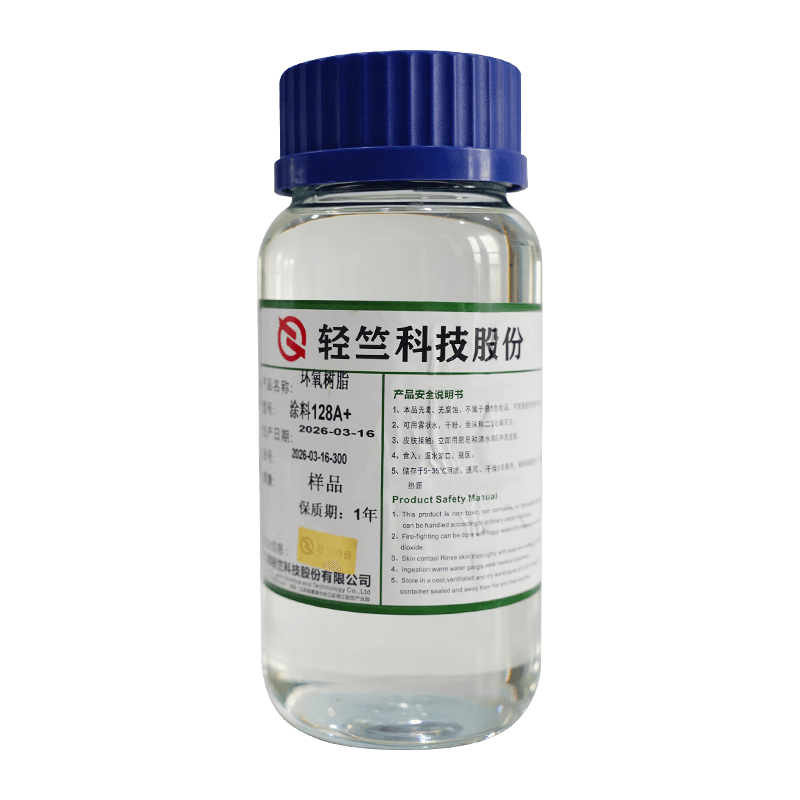
The 128A+ Coating Grade Liquid Epoxy Resin is a bisphenol A liquid resin specifically optimized for ...
+ VIEW MORE -
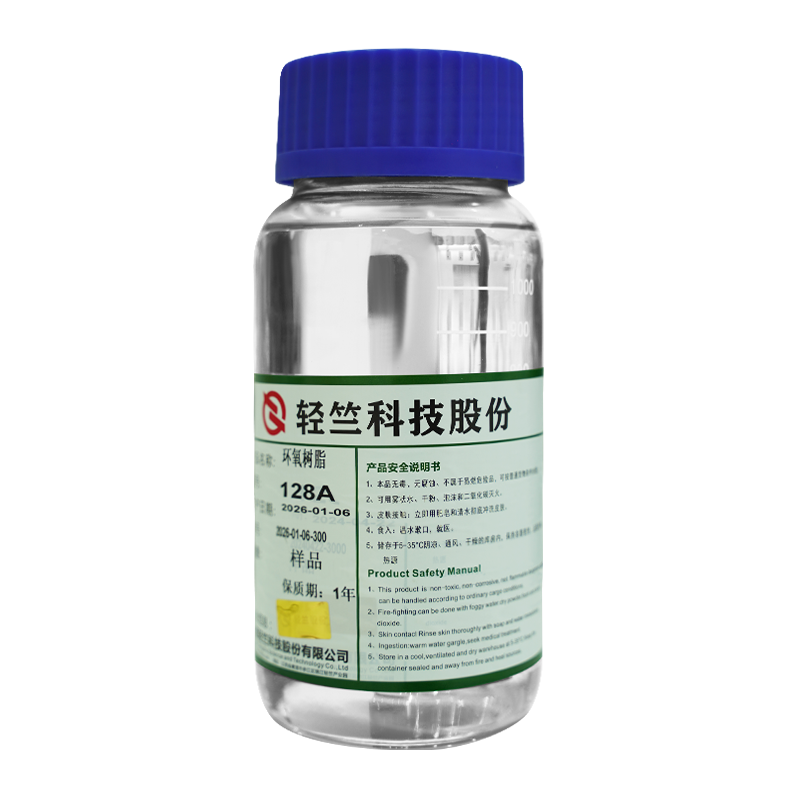
The 128A Standard Grade Liquid Epoxy Resin is a classic bisphenol A liquid resin offering a stable e...
+ VIEW MORE -
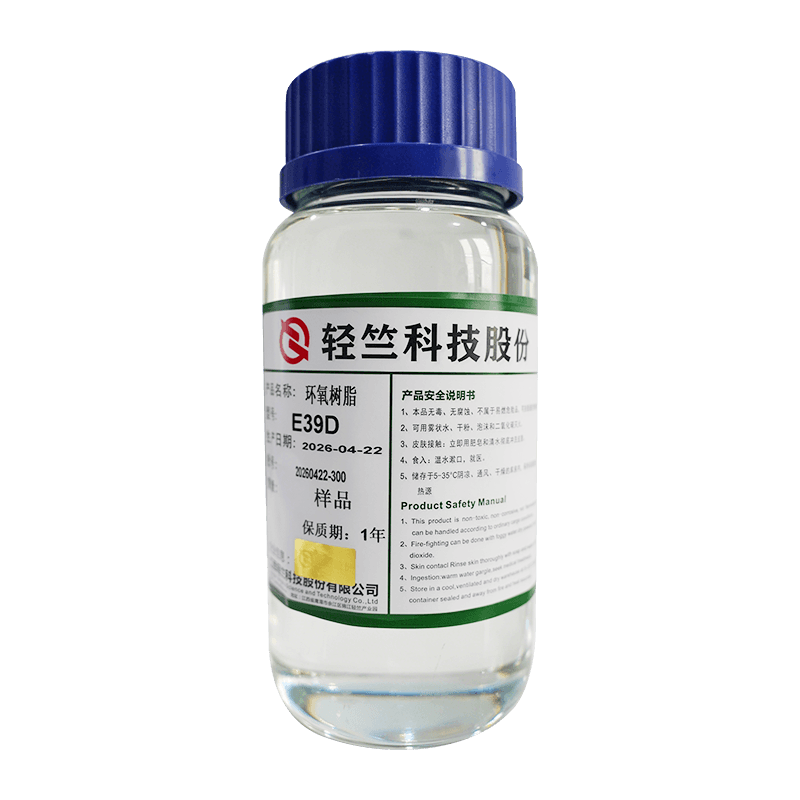
The E39D Low-Viscosity Transparent Liquid Epoxy Resin is a high-purity bisphenol A liquid resin dist...
+ VIEW MORE -

The 450A80 High-Solids Flexible Liquid Epoxy Resin is a specialty grade within the standalone produc...
+ VIEW MORE

Product Categories
Epoxy Resin 128 Series Epoxy Resin 601 Series Epoxy Resin 604 Series E44 General-Purpose Liquid Epoxy Resin E39D Low-Viscosity Transparent Liquid Epoxy Resin 450A80 High-Solids Flexible Liquid Epoxy Resin 901A80 High-Temperature Specialty Liquid Epoxy ResinContact
 [email protected]
 +86-15257130679
 Qingzhu Industrial Park, Yuanqu Avenue, Industrial Park, Yujiang District, Yingtan City, Jiangxi Province, China
