

 English
  русский
  عربى
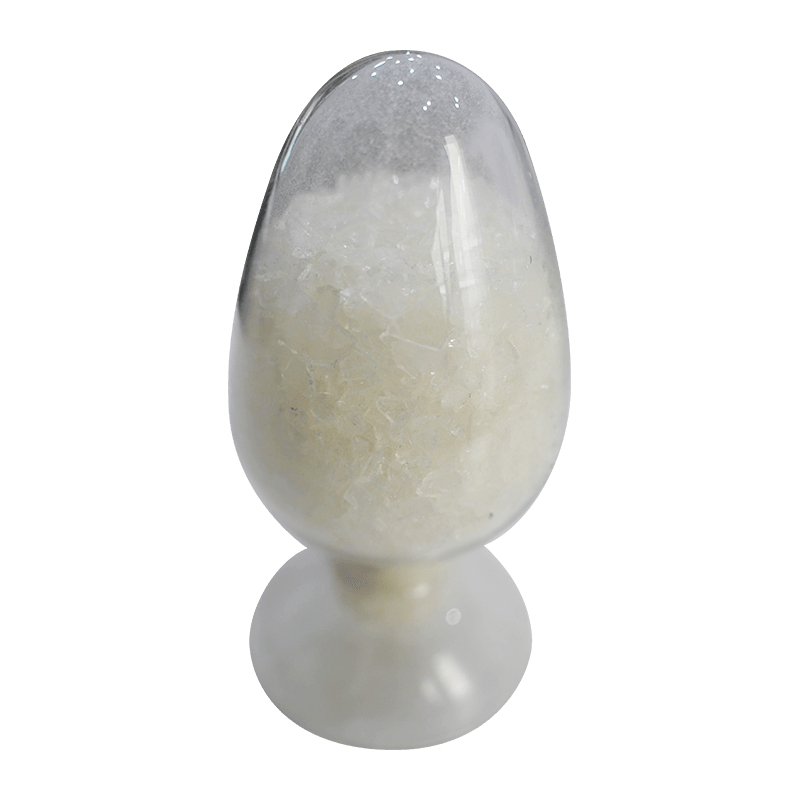
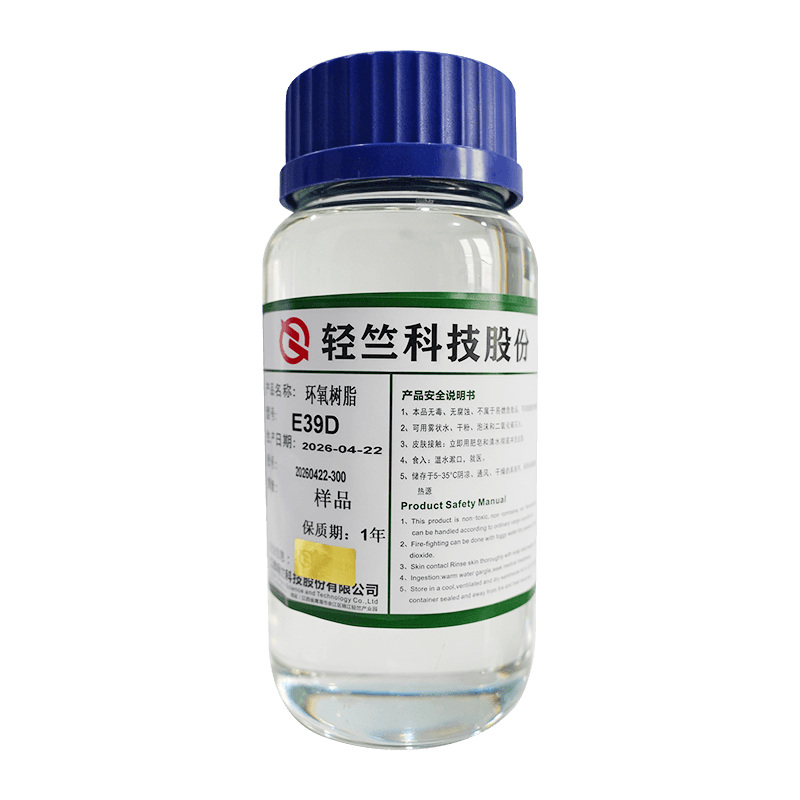
عربى The E39D Low-Viscosity Transparent Liquid Epoxy Resin is a high-purity bisphenol A liquid resin dist...
+ VIEW MORE
 Industry News
E-20 Epoxy Resin: Properties, Applications & Technical Guide
Qingzhu Technology – Born for Green, Driven for Tomorrow.
Content
- 1 What Is E-20 Epoxy Resin
- 2 Technical Specifications and Physical Properties
- 3 Primary Industrial Applications
- 4 Curing Systems and Reaction Mechanisms
- 5 Processing and Handling Guidelines
- 6 Performance Comparison with Alternative Resins
- 7 Quality Control and Testing Protocols
- 8 Environmental and Regulatory Considerations
What Is E-20 Epoxy Resin
E-20 epoxy resin is a medium molecular weight bisphenol-A type epoxy resin widely used in industrial applications requiring excellent chemical resistance, mechanical strength, and adhesion properties. With an epoxide equivalent weight ranging from 450-500 g/eq and softening points between 64-76°C, this resin occupies a strategic position between low-viscosity liquid epoxies and high-molecular-weight solid resins.
The designation "E-20" follows Chinese national standards (GB/T 13657), where the number indicates approximate epoxide value characteristics. This resin appears as yellow to amber transparent solids at room temperature and requires heating or solvent dissolution for processing in most applications.
Technical Specifications and Physical Properties
Understanding the precise technical parameters of E-20 epoxy resin is essential for proper formulation and application. The following specifications represent typical values for standard-grade material:
| Property | Test Method | Typical Value |
|---|---|---|
| Epoxide Equivalent Weight | ASTM D1652 | 450-500 g/eq |
| Softening Point | ASTM E28 | 64-76°C |
| Color (Gardner) | ASTM D1544 | ≤ 8 |
| Viscosity (75% in EGBE) | ASTM D445 | 2000-4000 mPa·s |
| Chlorine Content | ASTM D1726 | ≤ 0.1% |
These properties make E-20 particularly suitable for applications requiring a balance between processability and final performance. The moderate softening point allows for easier handling compared to higher molecular weight grades while maintaining better film-forming characteristics than liquid epoxies.
Primary Industrial Applications
E-20 epoxy resin serves diverse industrial sectors due to its versatile property profile. The material finds extensive use in protective coatings, adhesive formulations, composite materials, and electrical insulation applications.
Protective Coatings and Paints
In coating applications, E-20 epoxy resin delivers exceptional corrosion resistance and substrate adhesion. Marine coatings formulated with this resin demonstrate salt spray resistance exceeding 1000 hours when properly cured with polyamide hardeners. Industrial maintenance coatings benefit from the resin's ability to form tough, chemically resistant films that withstand exposure to acids, alkalis, and solvents.
Powder coating formulations utilize E-20 as a primary binder component, typically comprising 60-70% of the total formulation. These coatings achieve gloss levels above 80% at 60° and pencil hardness ratings of 2H-3H after curing at 180-200°C for 10-15 minutes.
Adhesive Systems
Structural adhesives based on E-20 epoxy resin exhibit lap shear strengths ranging from 15-25 MPa on steel substrates. The resin's moderate molecular weight provides optimal wetting characteristics while maintaining cohesive strength in the cured state. Automotive and aerospace industries employ these adhesives for bonding dissimilar materials including metals, composites, and engineered plastics.
Electrical Insulation and Encapsulation
The excellent dielectric properties of cured E-20 systems make them ideal for electrical applications. Volume resistivity values typically exceed 10¹⁴ Ω·cm, while dielectric strength reaches 18-22 kV/mm. Transformer manufacturers and electronics producers utilize this resin for potting and encapsulating sensitive components requiring long-term environmental protection.
Curing Systems and Reaction Mechanisms
Proper selection of curing agents critically determines the final properties of E-20 epoxy systems. Different hardener types produce distinct performance characteristics suited to specific application requirements.
Amine-Based Curing Agents
Aliphatic and aromatic amines represent the most common curing systems for E-20 resin. Polyamine hardeners such as diethylenetriamine (DETA) and triethylenetetramine (TETA) cure at room temperature, achieving full properties within 7 days at 25°C. The stoichiometric ratio typically ranges from 8-12 parts per hundred resin (phr) depending on amine equivalent weight.
Modified polyamides provide improved flexibility and moisture tolerance, making them suitable for coating applications. These systems cure at elevated temperatures (60-80°C) and deliver elongation values of 3-5% compared to 1-2% for unmodified amine systems.
Anhydride Curing Systems
Acid anhydrides including methyltetrahydrophthalic anhydride (MTHPA) and hexahydrophthalic anhydride (HHPA) require thermal curing at 120-150°C. These systems produce networks with superior thermal stability, exhibiting glass transition temperatures (Tg) of 110-130°C. Electrical applications favor anhydride-cured systems due to their low ionic content and excellent long-term reliability.
Phenolic and Novelty Hardener Systems
Novolac phenolic resins react with E-20 epoxy groups at temperatures above 150°C, creating highly crosslinked networks with exceptional chemical resistance. These systems find application in tank linings and chemical processing equipment where exposure to aggressive media demands maximum durability.
Processing and Handling Guidelines
Effective utilization of E-20 epoxy resin requires attention to processing parameters and safety considerations. The solid nature of this resin at ambient temperature necessitates specific handling approaches.
Melting and Dissolution Methods
Processing E-20 typically involves heating the resin to 80-100°C to achieve a workable viscosity of 500-1000 mPa·s. For solvent-based systems, common diluents include xylene, butyl acetate, and ethylene glycol monobutyl ether (EGBE) at concentrations of 25-40% by weight. Complete dissolution requires 2-4 hours of agitation at 60-70°C.
- Preheat mixing vessels to 70-80°C before adding resin
- Use jacketed reactors with temperature control ±2°C
- Maintain agitation speeds of 200-400 rpm during dissolution
- Filter solutions through 100-mesh screens before use
Storage and Stability Considerations
E-20 epoxy resin maintains stability for 12-18 months when stored at temperatures below 30°C in sealed containers. Exposure to moisture should be minimized as absorbed water can affect curing kinetics and final properties. Relative humidity in storage areas should not exceed 60%.
Personal protective equipment including nitrile gloves, safety glasses, and respiratory protection (when handling powders or aerosols) is mandatory during processing. Skin contact should be avoided as epoxy resins can cause sensitization with repeated exposure.
Performance Comparison with Alternative Resins
Selecting E-20 over other epoxy grades or alternative resin systems depends on specific performance requirements and cost considerations. Understanding comparative advantages facilitates informed material selection.
| Property | E-20 | E-12 (Liquid) | E-44 (Solid) |
|---|---|---|---|
| Epoxide Equivalent (g/eq) | 450-500 | 185-192 | 210-240 |
| Softening Point (°C) | 64-76 | Liquid | 12-20 |
| Tensile Strength (MPa) | 55-65 | 60-70 | 45-55 |
| Glass Transition Temp (°C) | 85-95 | 70-80 | 50-60 |
| Relative Cost Index | 1.0 | 1.3 | 0.8 |
E-20 offers an optimal balance between the easy processing of liquid epoxies and the superior mechanical properties of higher molecular weight grades. While E-12 liquid resins provide lower viscosity for ambient temperature applications, they sacrifice some thermal performance. Conversely, E-44 and higher grades deliver enhanced toughness but require more energy-intensive processing.
When compared to alternative resin systems such as polyester or vinyl ester, E-20 epoxy demonstrates superior adhesion to diverse substrates, better chemical resistance, and lower shrinkage during cure (2-3% versus 5-7% for unsaturated polyesters). However, epoxy systems typically carry higher raw material costs and longer cure cycles.
Quality Control and Testing Protocols
Ensuring consistent performance of E-20 epoxy resin requires rigorous quality control throughout production and application. Standardized testing protocols verify compliance with specifications and predict end-use behavior.
Raw Material Verification
Incoming material inspection should include epoxide equivalent weight determination via titration methods (ASTM D1652), softening point measurement using ring-and-ball apparatus (ASTM E28), and color assessment against Gardner standards. Batch-to-batch variation in epoxide content should not exceed ±5% to ensure consistent curing behavior.
Cured Property Evaluation
Post-cure testing validates formulation effectiveness and process optimization. Critical measurements include:
- Glass transition temperature via differential scanning calorimetry (DSC) - target range 85-95°C for amine-cured systems
- Tensile properties according to ASTM D638 - minimum tensile strength 50 MPa, elongation 2-4%
- Chemical resistance through immersion testing in specified media for 168 hours at 25°C, measuring weight change and property retention
- Adhesion testing using cross-hatch methods (ASTM D3359) - rating of 4B-5B indicates excellent performance
Accelerated Aging Studies
Long-term durability predictions rely on accelerated aging protocols exposing cured specimens to elevated temperatures (85°C), high humidity (85% RH), and UV radiation. E-20 systems typically retain 80-85% of initial mechanical properties after 1000 hours of combined thermal-humidity exposure, demonstrating adequate stability for most industrial applications.
Environmental and Regulatory Considerations
Modern industrial practices demand awareness of environmental impacts and regulatory compliance when working with E-20 epoxy resin. Responsible handling minimizes ecological footprint while ensuring workplace safety.
E-20 epoxy resin itself exhibits low acute toxicity with oral LD50 values exceeding 2000 mg/kg in animal studies. However, uncured epoxy compounds can cause skin irritation and allergic dermatitis with prolonged contact. Proper ventilation, personal protective equipment, and hygiene practices prevent occupational health issues.
Waste disposal must comply with local regulations governing hazardous materials. Cured epoxy waste typically qualifies as non-hazardous solid waste, while uncured resin and contaminated materials require specialized treatment. Recycling initiatives increasingly recover epoxy materials from manufacturing scrap through grinding and reprocessing into filler applications.
Regulatory frameworks including REACH (EU), TSCA (USA), and similar legislation worldwide mandate registration and notification of epoxy resin substances. Manufacturers must provide Safety Data Sheets (SDS) detailing hazard classifications, handling precautions, and emergency procedures. Recent trends show increasing restrictions on certain epoxy hardeners, particularly aromatic amines, driving development of alternative curing systems with improved toxicological profiles.
The industry continues advancing toward bio-based epoxy alternatives and waterborne formulations reducing volatile organic compound (VOC) emissions. While traditional solvent-based E-20 systems remain dominant in many applications, regulatory pressure and sustainability goals accelerate adoption of environmentally preferable technologies.
Related Product
-
-
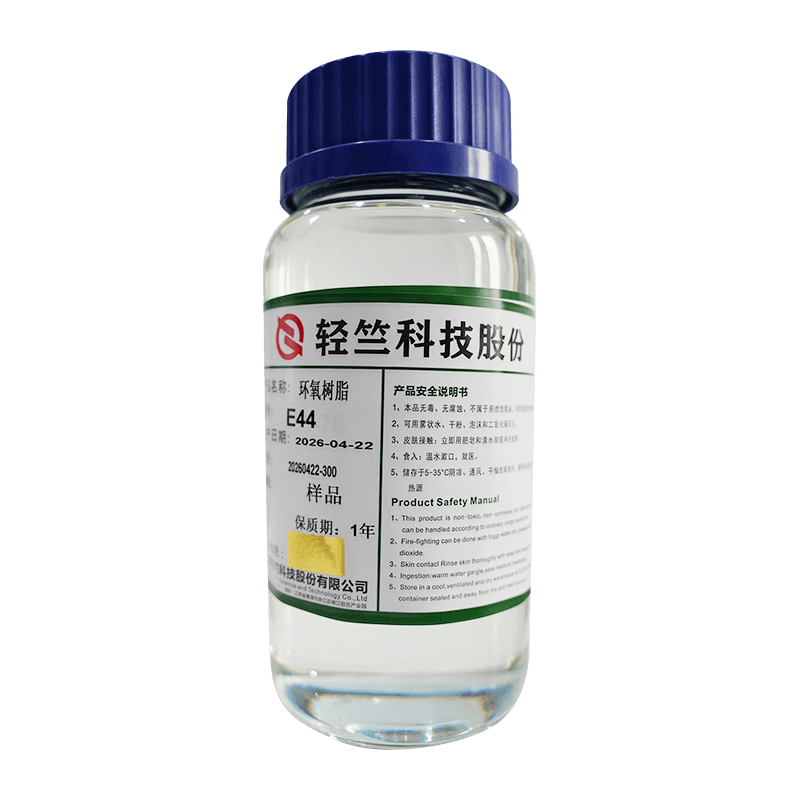
The E44 General-Purpose Liquid Epoxy Resin is one of the most widely used classic liquid epoxy grade...
+ VIEW MORE -
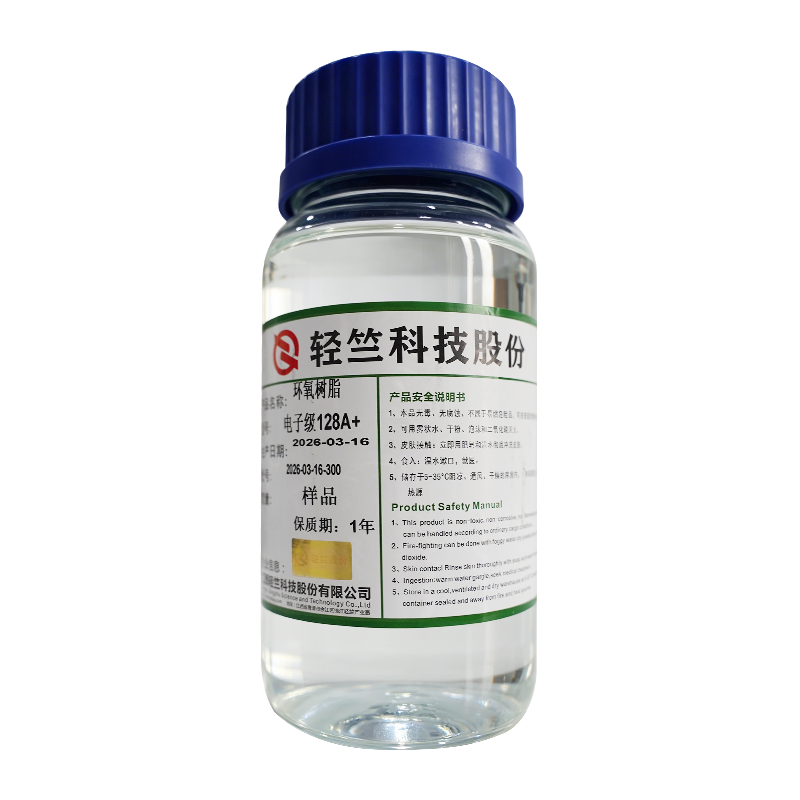
The 128A+ Electronic Grade Liquid Epoxy Resin is a high-purity bisphenol A liquid resin formulated f...
+ VIEW MORE -
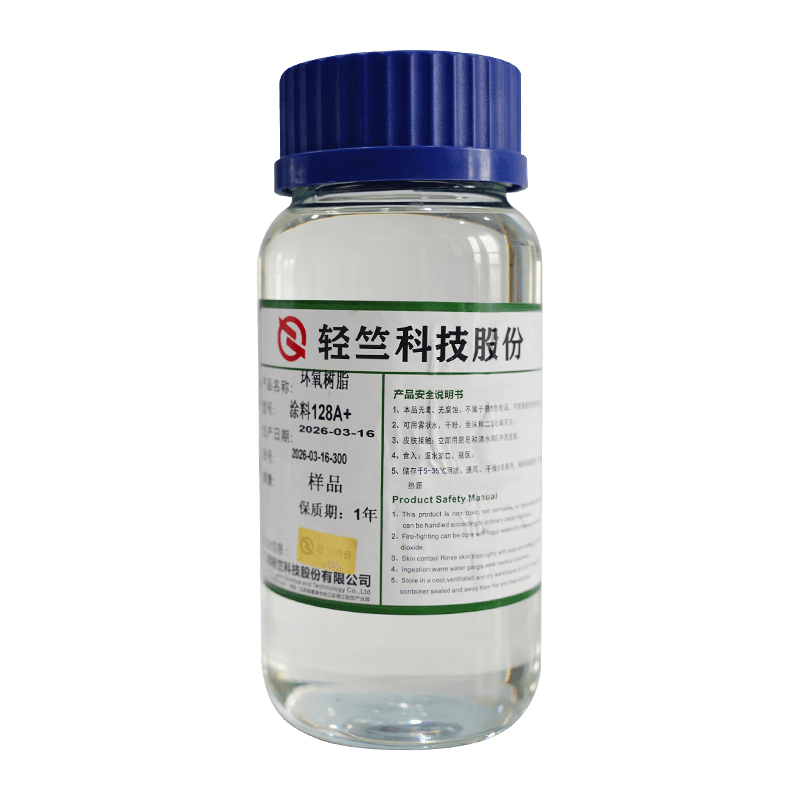
The 128A+ Coating Grade Liquid Epoxy Resin is a bisphenol A liquid resin specifically optimized for ...
+ VIEW MORE -
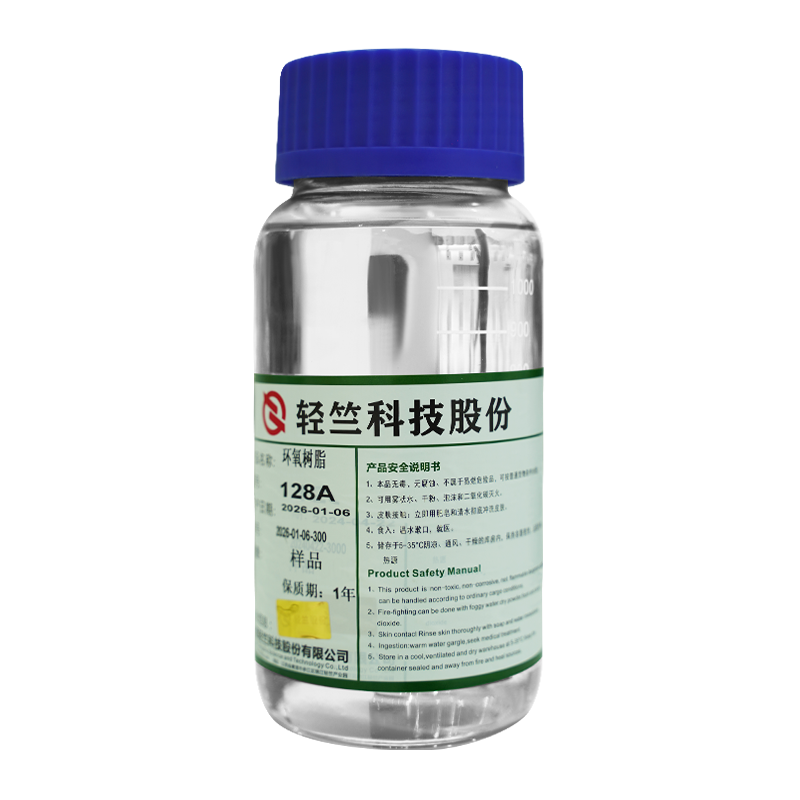
The 128A Standard Grade Liquid Epoxy Resin is a classic bisphenol A liquid resin offering a stable e...
+ VIEW MORE

Product Categories
Epoxy Resin 128 Series Epoxy Resin 601 Series Epoxy Resin 604 Series E44 General-Purpose Liquid Epoxy Resin E39D Low-Viscosity Transparent Liquid Epoxy Resin 450A80 High-Solids Flexible Liquid Epoxy Resin 901A80 High-Temperature Specialty Liquid Epoxy ResinContact
 [email protected]
 +86-15257130679
 Qingzhu Industrial Park, Yuanqu Avenue, Industrial Park, Yujiang District, Yingtan City, Jiangxi Province, China
