

 English
  русский
  عربى
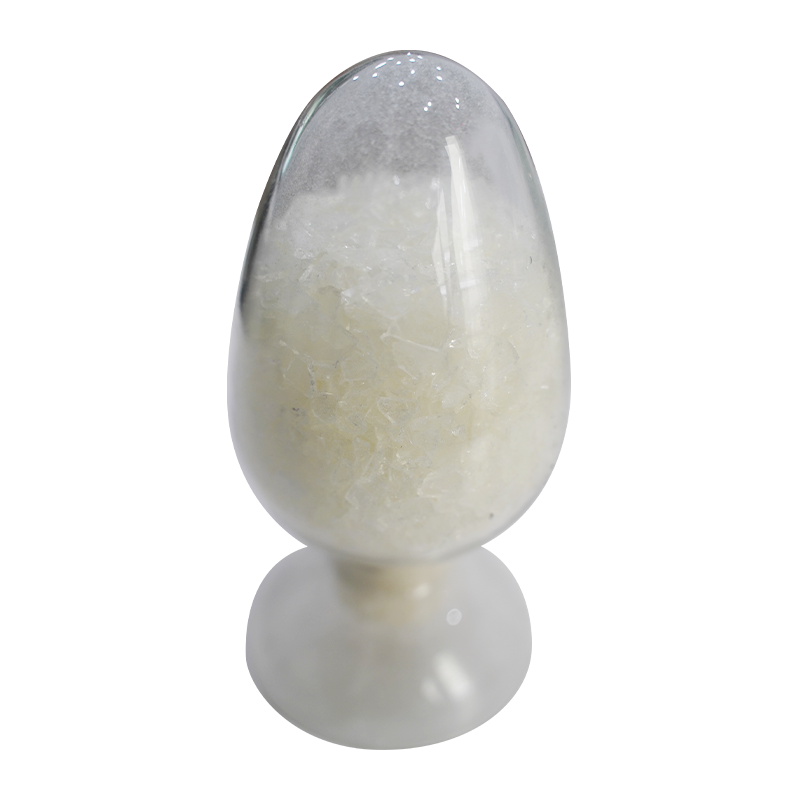
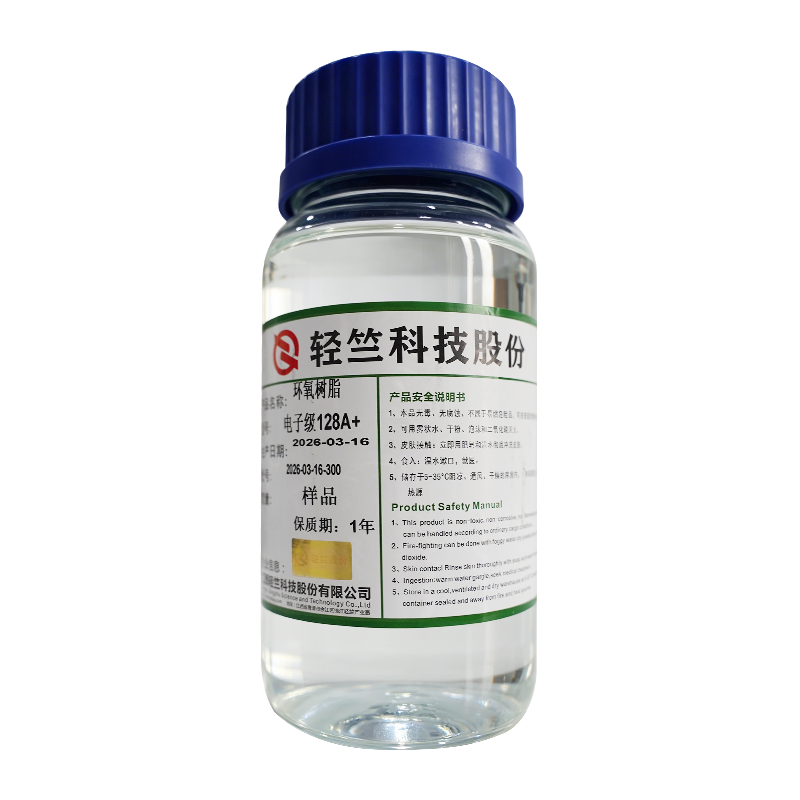
عربى The 128A+ Electronic Grade Liquid Epoxy Resin is a high-purity bisphenol A liquid resin formulated f...
+ VIEW MORE
 Industry News
E-12 Epoxy Resin: Technical Guide, Properties & Applications
Qingzhu Technology – Born for Green, Driven for Tomorrow.
Content
- 1 Understanding E-12 Epoxy Resin Fundamentals
- 2 Technical Specifications and Key Properties
- 3 Industrial Applications and Use Cases
- 4 Curing Systems and Reaction Chemistry
- 5 Processing Techniques and Best Practices
- 6 Performance Comparison with Alternative Resins
- 7 Quality Control and Testing Standards
- 8 Safety, Environmental, and Regulatory Compliance
Understanding E-12 Epoxy Resin Fundamentals
E-12 epoxy resin is a low molecular weight bisphenol-A type epoxy resin characterized by its liquid state at room temperature and excellent processability. With an epoxide equivalent weight typically ranging from 185-192 g/eq, this resin serves as a foundational material in high-performance coatings, adhesives, composite laminates, and electrical insulation systems.
The designation "E-12" follows Chinese national standards (GB/T 13657), where the numerical value correlates with specific epoxide content characteristics. Unlike higher molecular weight solid epoxies, E-12 maintains a viscosity of approximately 12,000-15,000 mPa·s at 25°C, enabling easy mixing with hardeners, fillers, and additives without requiring heating or solvent dissolution in many applications.
Technical Specifications and Key Properties
Precise knowledge of E-12 epoxy resin properties enables accurate formulation design and performance prediction. The following table summarizes critical technical parameters for standard-grade material:
Specific Gravity at 25°C| Property | Test Method | Typical Value |
|---|---|---|
| Epoxide Equivalent Weight | ASTM D1652 | 185-192 g/eq |
| Viscosity at 25°C | ASTM D445 | 12,000-15,000 mPa·s |
| Color (Gardner) | ASTM D1544 | ≤ 2 |
| ASTM D1875 | 1.16-1.18 g/cm³ | |
| Chlorine Content | ASTM D1726 | ≤ 0.05% |
| Hydrolyzable Chlorine | ASTM D1726 | ≤ 0.02% |
The low viscosity and high epoxide content of E-12 facilitate rapid wetting of substrates and thorough penetration into porous materials. These characteristics prove particularly valuable in composite manufacturing where fiber impregnation quality directly influences mechanical performance.
Industrial Applications and Use Cases
E-12 epoxy resin serves diverse industrial sectors due to its versatile processing characteristics and robust final properties. Application-specific formulations leverage the resin's inherent advantages while addressing unique performance requirements.
High-Performance Coatings
Protective coating systems based on E-12 epoxy resin demonstrate exceptional corrosion resistance in aggressive environments. Marine and offshore applications utilize these coatings on steel structures, achieving salt spray resistance exceeding 1500 hours when formulated with appropriate polyamide or amine-adduct hardeners. The low viscosity enables application of thick films (200-500 μm) without sagging or running.
Flooring systems for industrial facilities employ E-12 resin combined with quartz sand or other aggregates to create seamless, chemical-resistant surfaces. These floors withstand heavy traffic, impact loads, and exposure to acids, alkalis, and solvents commonly encountered in manufacturing environments.
Structural Adhesives and Bonding
Adhesive formulations utilizing E-12 epoxy resin achieve lap shear strengths of 20-30 MPa on properly prepared steel substrates. The liquid consistency allows precise metering and mixing with hardeners, facilitating automated dispensing in high-volume assembly operations. Aerospace and automotive industries rely on these adhesives for bonding aluminum, titanium, and composite components where mechanical fasteners introduce stress concentrations.
Composite Materials and Laminates
Fiber-reinforced composites manufactured with E-12 epoxy resin exhibit tensile strengths of 800-1200 MPa and flexural moduli of 30-40 GPa when reinforced with carbon or glass fibers. The resin's low viscosity ensures complete fiber wetting during hand lay-up, vacuum bagging, or resin transfer molding processes. Wind turbine blade manufacturers, sporting goods producers, and aerospace component suppliers depend on these materials for lightweight, high-strength structures.
Electrical Insulation and Encapsulation
Electrical applications benefit from E-12 epoxy's excellent dielectric properties, including volume resistivity exceeding 10¹⁵ Ω·cm and dielectric strength of 20-25 kV/mm. Transformer manufacturers pot windings with E-12-based systems to provide moisture protection, mechanical support, and thermal conductivity. Electronic component encapsulation protects sensitive devices from environmental degradation while maintaining electrical isolation.
Curing Systems and Reaction Chemistry
Selection of appropriate curing agents determines the ultimate performance characteristics of E-12 epoxy systems. Different hardener chemistries produce networks with distinct thermal, mechanical, and chemical resistance profiles.
Aliphatic Amine Hardeners
Primary and secondary aliphatic amines such as diethylenetriamine (DETA), triethylenetetramine (TETA), and polyethylene polyamines react rapidly with E-12 epoxy groups at ambient temperatures. Stoichiometric ratios typically range from 10-14 parts per hundred resin (phr) depending on amine hydrogen equivalent weight. These systems achieve handling strength within 4-6 hours at 25°C and full cure within 7 days, producing networks with glass transition temperatures (Tg) of 60-80°C.
Modified amine adducts improve mixing compatibility, reduce exothermic heat generation, and enhance moisture tolerance during curing. These modified systems extend pot life to 60-90 minutes while maintaining reasonable cure schedules, making them suitable for large-scale coating and casting applications.
Aromatic Amine and Polyamide Systems
Aromatic amines including methylene dianiline (MDA) and diamino diphenyl sulfone (DDS) require elevated curing temperatures of 120-150°C but deliver superior thermal performance with Tg values reaching 150-180°C. These systems find application in aerospace composites and high-temperature electrical insulation where thermal stability is paramount.
Polyamide hardeners derived from dimerized fatty acids and polyamines offer improved flexibility, adhesion to damp surfaces, and reduced toxicity compared to low molecular weight amines. Typical usage levels range from 50-100 phr, producing cured films with elongation values of 5-8% and excellent impact resistance.
Anhydride Curing Agents
Acid anhydrides such as methyltetrahydrophthalic anhydride (MTHPA), hexahydrophthalic anhydride (HHPA), and phthalic anhydride react with E-12 epoxy groups through esterification mechanisms requiring thermal activation at 100-150°C. Anhydride-cured systems exhibit low shrinkage (<2%), excellent electrical properties, and good thermal stability with Tg values of 110-140°C. Catalysts including tertiary amines or imidazoles accelerate reaction rates and allow lower curing temperatures.
Processing Techniques and Best Practices
Optimal utilization of E-12 epoxy resin requires adherence to established processing protocols that ensure consistent quality and reproducible results. Attention to mixing procedures, degassing, and cure scheduling prevents common defects.
Mixing and Degassing Procedures
Thorough mixing of E-12 resin with hardeners, fillers, and additives demands controlled procedures to avoid entrapped air and incomplete homogenization. Mechanical mixing at 300-500 rpm for 5-10 minutes achieves uniform dispersion while minimizing air incorporation. For critical applications requiring void-free laminates or castings, vacuum degassing at 5-10 mmHg for 15-30 minutes removes dissolved gases and entrapped bubbles.
- Preheat resin to 40-50°C to reduce viscosity before mixing
- Add hardener slowly while maintaining agitation to control exotherm
- Use planetary mixers for high-viscosity filled systems
- Monitor mixture temperature to prevent premature gelation
Application Methods
E-12 epoxy resin accommodates various application techniques depending on end-use requirements. Brush and roller application suits small-scale coating projects, while airless spray equipment enables efficient coverage of large surface areas. For composite manufacturing, hand lay-up, vacuum infusion, and resin transfer molding (RTM) processes leverage the resin's low viscosity for thorough fiber impregnation.
Pot life—the working time available after mixing resin and hardener—varies from 30 minutes to several hours depending on hardener type, batch size, and ambient temperature. Larger masses generate more exothermic heat, accelerating reaction rates and reducing usable working time. Formulators adjust hardener selection and addition levels to balance pot life against cure speed requirements.
Storage and Shelf Life Management
E-12 epoxy resin maintains stability for 12-24 months when stored in sealed containers at temperatures between 15-25°C. Exposure to moisture causes hydrolysis of epoxide groups, reducing reactivity and compromising final properties. Relative humidity in storage areas should remain below 60%, and containers must be tightly sealed after each use.
Performance Comparison with Alternative Resins
Material selection decisions benefit from understanding how E-12 epoxy resin compares to alternative thermosetting resins across key performance metrics. The following analysis highlights relative advantages and limitations.
| Property | E-12 Epoxy | Unsaturated Polyester | Vinyl Ester |
|---|---|---|---|
| Tensile Strength (MPa) | 60-70 | 40-50 | 55-65 |
| Flexural Modulus (GPa) | 3.0-3.5 | 2.5-3.0 | 3.0-3.3 |
| Cure Shrinkage (%) | 2-3 | 5-7 | 4-6 |
| Water Absorption (%) | 1.5-2.5 | 2.0-3.5 | 1.8-2.8 |
| Chemical Resistance | Excellent | Good | Very Good |
| Relative Cost Index | 1.5 | 1.0 | 1.3 |
E-12 epoxy resin demonstrates superior mechanical properties, lower cure shrinkage, and better chemical resistance compared to unsaturated polyester resins, justifying its higher cost in demanding applications. Vinyl ester resins offer intermediate performance between polyesters and epoxies, serving as cost-effective alternatives when extreme performance is not required.
When compared to higher molecular weight solid epoxies like E-20 or E-44, E-12 provides easier processing without heating but sacrifices some toughness and thermal performance. The choice between liquid and solid grades depends on application-specific requirements for viscosity, film thickness, and final property targets.
Quality Control and Testing Standards
Ensuring consistent performance of E-12 epoxy resin systems requires implementation of comprehensive quality control protocols spanning raw material verification, in-process monitoring, and final product validation.
Raw Material Inspection
Incoming E-12 resin batches undergo testing for epoxide equivalent weight via titration methods (ASTM D1652), viscosity measurement using rotational viscometers (ASTM D445), and color assessment against Gardner standards. Acceptable variation in epoxide content remains within ±3% of nominal values to ensure predictable stoichiometry during curing. Moisture content should not exceed 0.1% as determined by Karl Fischer titration.
Cured Property Verification
Post-cure testing validates formulation effectiveness and process optimization. Critical measurements include:
- Glass transition temperature via differential scanning calorimetry (DSC) or dynamic mechanical analysis (DMA) - target ranges vary by hardener system from 60°C (amine) to 180°C (aromatic amine)
- Mechanical properties according to ASTM D638 (tensile) and ASTM D790 (flexural) - minimum tensile strength 55 MPa, flexural strength 90 MPa
- Chemical resistance through immersion testing in specified media (acids, bases, solvents) for 168-720 hours, measuring weight change, hardness retention, and visual appearance
- Adhesion testing using pull-off methods (ASTM D4541) or cross-hatch techniques (ASTM D3359) - ratings of 4B-5B or adhesion strengths exceeding 10 MPa indicate excellent performance
Accelerated Aging and Durability Assessment
Long-term durability predictions rely on accelerated aging protocols exposing cured specimens to elevated temperatures (85-120°C), high humidity (85% RH), UV radiation, and thermal cycling. Well-formulated E-12 epoxy systems retain 85-90% of initial mechanical properties after 2000 hours of combined thermal-humidity exposure, demonstrating adequate stability for most industrial applications spanning 10-20 year service lives.
Safety, Environmental, and Regulatory Compliance
Responsible handling of E-12 epoxy resin requires awareness of health hazards, environmental impacts, and regulatory obligations. Proper safety practices protect workers while minimizing ecological footprint.
Uncured E-12 epoxy resin exhibits low acute toxicity with oral LD50 values exceeding 5000 mg/kg in animal studies. However, repeated skin contact can cause sensitization and allergic dermatitis in susceptible individuals. Eye contact produces irritation requiring immediate flushing with water. Inhalation of aerosols or vapors during heated processing may cause respiratory irritation.
Personal protective equipment including nitrile or butyl rubber gloves, safety glasses or face shields, and protective clothing prevents skin and eye exposure. Adequate ventilation—either local exhaust or general room ventilation maintaining air changes of 6-10 per hour—controls vapor concentrations below occupational exposure limits. Respiratory protection with organic vapor cartridges becomes necessary when ventilation proves insufficient or during confined space operations.
Waste disposal must comply with local, regional, and national regulations governing hazardous materials. Uncured epoxy resin and contaminated materials typically classify as hazardous waste requiring specialized treatment facilities. Cured epoxy waste generally qualifies as non-hazardous solid waste suitable for landfill disposal, though recycling programs increasingly recover epoxy-containing materials through grinding and reuse as fillers in construction applications.
Regulatory frameworks including REACH (European Union), TSCA (United States), and similar legislation worldwide mandate registration, evaluation, and notification of epoxy resin substances. Manufacturers must provide Safety Data Sheets (SDS) detailing hazard classifications, handling precautions, first aid measures, and emergency procedures. Recent regulatory trends show increasing restrictions on certain epoxy hardeners, particularly aromatic amines classified as carcinogens, driving development of alternative curing systems with improved toxicological profiles.
The industry continues advancing toward bio-based epoxy alternatives derived from renewable resources such as plant oils and lignin, alongside waterborne formulations reducing volatile organic compound (VOC) emissions. While traditional solvent-free E-12 systems already minimize VOC content, regulatory pressure and sustainability goals accelerate adoption of environmentally preferable technologies throughout the epoxy resin value chain.
Related Product
-
-
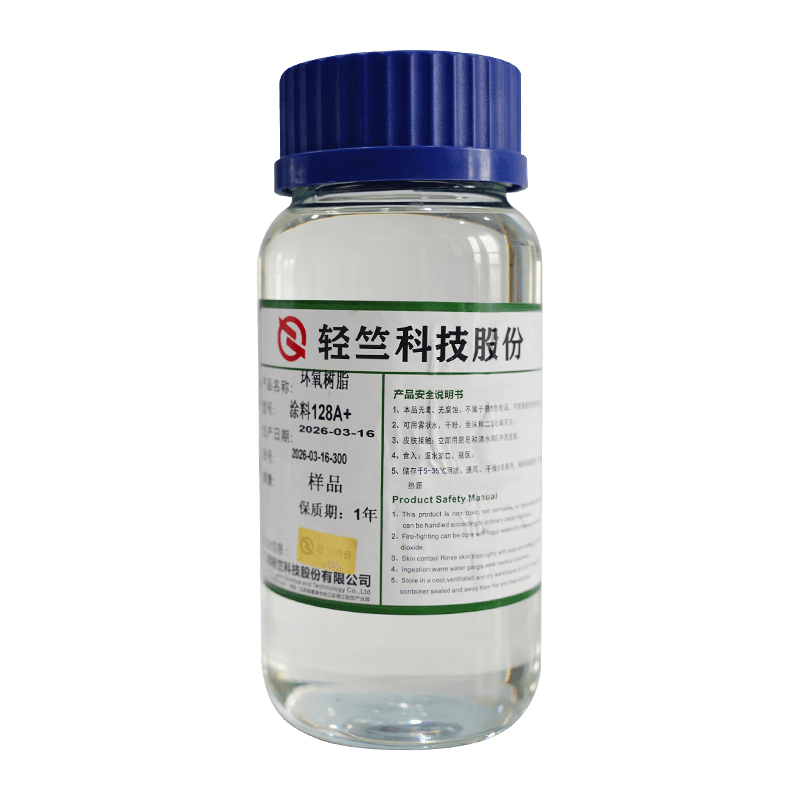
The 128A+ Coating Grade Liquid Epoxy Resin is a bisphenol A liquid resin specifically optimized for ...
+ VIEW MORE -
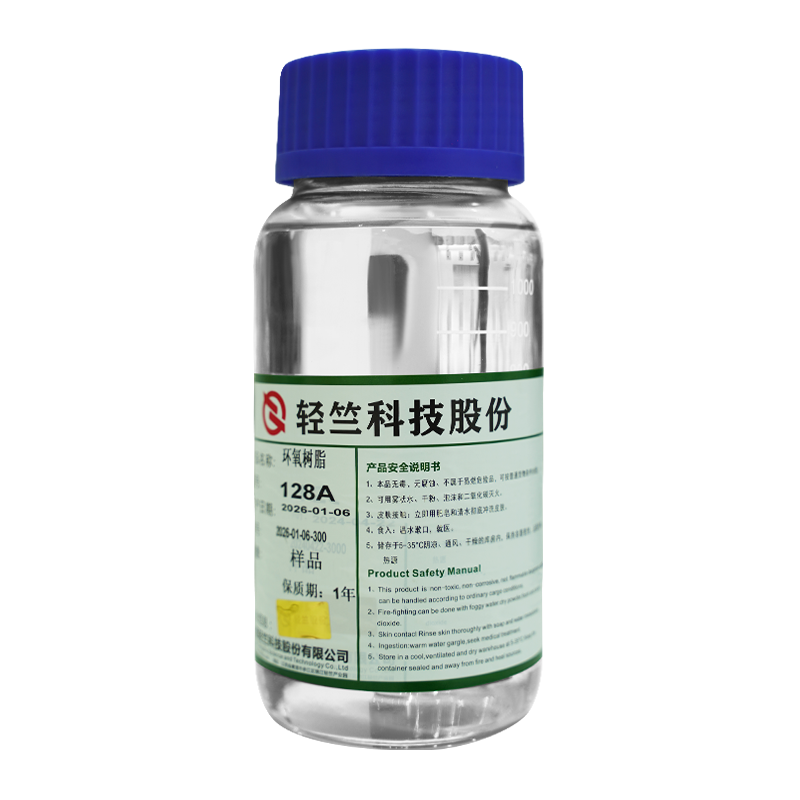
The 128A Standard Grade Liquid Epoxy Resin is a classic bisphenol A liquid resin offering a stable e...
+ VIEW MORE -
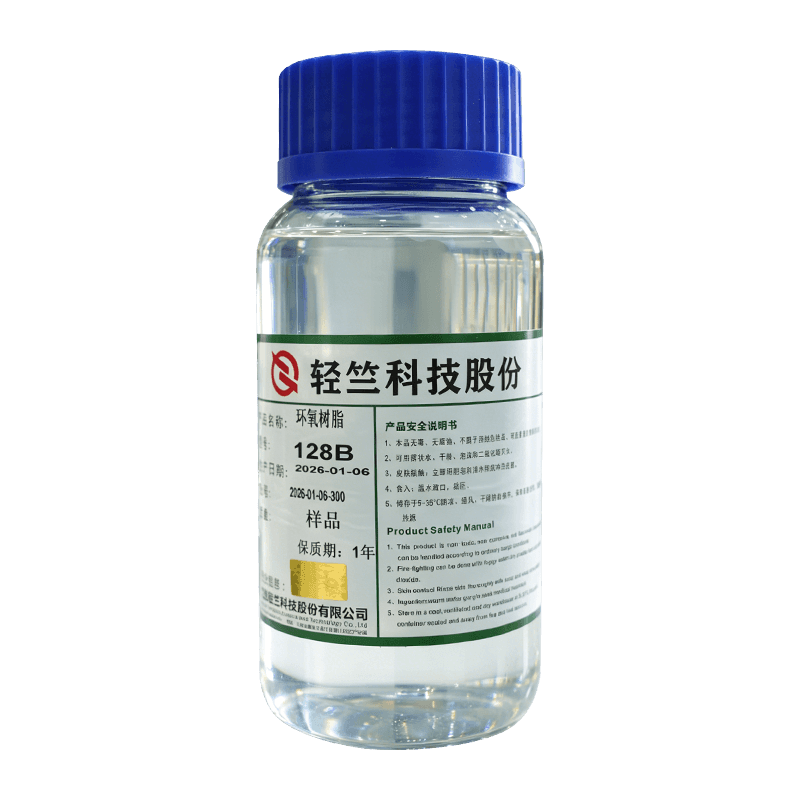
The 128B Low-Viscosity Liquid Epoxy Resin is the lowest-viscosity grade in the 128 Series. While ret...
+ VIEW MORE -
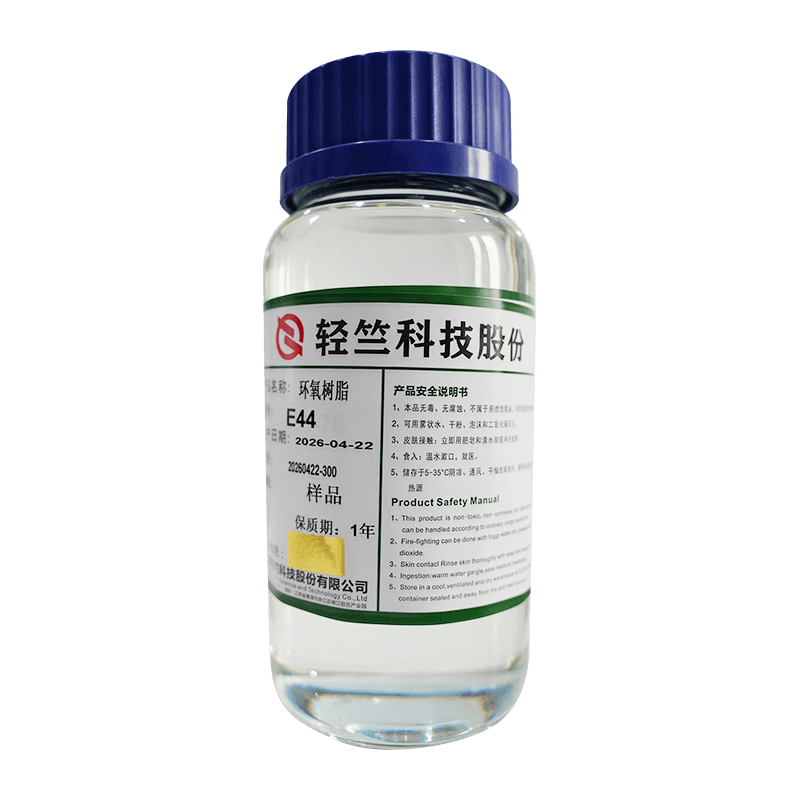
The E44 General-Purpose Liquid Epoxy Resin is one of the most widely used classic liquid epoxy grade...
+ VIEW MORE

Product Categories
Epoxy Resin 128 Series Epoxy Resin 601 Series Epoxy Resin 604 Series E44 General-Purpose Liquid Epoxy Resin E39D Low-Viscosity Transparent Liquid Epoxy Resin 450A80 High-Solids Flexible Liquid Epoxy Resin 901A80 High-Temperature Specialty Liquid Epoxy ResinContact
 [email protected]
 +86-15257130679
 Qingzhu Industrial Park, Yuanqu Avenue, Industrial Park, Yujiang District, Yingtan City, Jiangxi Province, China
